Drone tips: Beginner drone flight time tips guide for best
Managing drone flight time effectively requires a combination of battery maintenance, efficient flight patterns, and careful environmental awareness. This guide helps beginners extend their time in the air by focusing on battery care, flight technique, and weather management. You should focus on light, steady movements to conserve energy, but realize that extreme temperatures can significantly shorten your available window. 1. Prioritize battery temperature management. 2. Adopt smooth, low-throttle flight paths. 3. Monitor real-time voltage and battery levels. * Avoid high-wind environments to save power.
How to manage drone time?
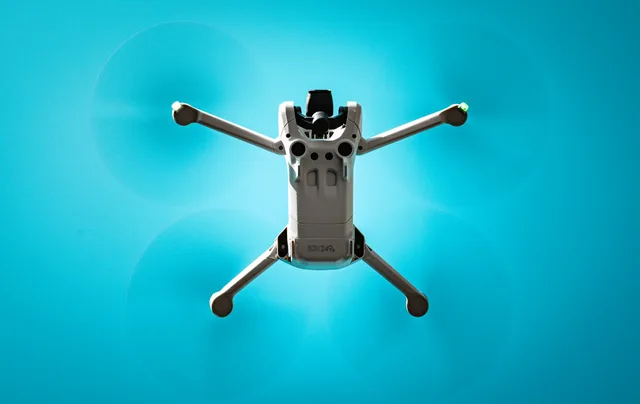
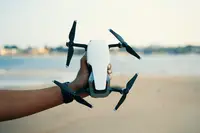
At sunset, I grip the controller tightly while watching the drone hover steadily in the cooling air.
A beginner grips the controller, watching the drone hover steadily against a bright blue sky. The sensation of the wind against the face is calm, but the blinking red light on the battery indicates the end of a session is approaching.
Managing flight time starts with understanding the limitations of your power source.
To manage drone time effectively, you must treat your battery as a finite resource that reacts to external conditions. Efficient flight involves minimizing sudden, high-power maneuvers that drain current rapidly.
Maintaining a consistent altitude and avoiding aggressive vertical climbs helps keep the motor output steady.
Effective drone usage time management involves planning your flight path to minimize unnecessary travel. Instead of flying in wide, erratic circles, try to follow a planned route that utilizes the drone's momentum.
This approach ensures you do not find yourself too far from the landing zone when the battery reaches a critical threshold.
How can I make my drone fly longer?
The drone glides through a park, its propellers humming a rhythmic, low-pitched tune. You watch the telemetry on your screen, noting how the battery percentage drops slightly faster during a quick turn.
Improving drone flight duration skills requires transitioning from jerky movements to fluid, sweeping motions.
Concentrating on smooth throttle control is a primary way to extend your time in the air. Rapidly increasing speed requires a massive burst of energy from the lithium polymer cells.
By using gradual acceleration, you reduce the peak current draw, which preserves the battery's overall health and runtime.

One way to approach improving drone flight duration skills is to practice "eco-flying" in a controlled environment. This means avoiding high-speed racing modes and instead focusing on cinematic, slow-motion movements.
These techniques allow the motors to operate in their most efficient RPM range for longer periods.
What are the must-know drone skills?
Standing on a grassy field, you carefully check the propellers for any debris before powering up the system. The sun is warm on your shoulders, and the air is still, providing the ideal environment for a long session.
Implementing essential operation techniques ensures you get the most out of every charge.
To master these techniques, follow these specific steps to ensure your flight is productive and safe:
- Pre-flight check: Inspect the battery for any swelling or physical damage that could lead to inefficient power delivery. 2. Smooth maneuvering: Use gentle stick inputs to avoid the high-torque demands of sudden direction changes. 3. Return-to-home preparation: Always calculate your distance from the takeoff point to ensure you have enough voltage for a safe return.
I remember my first flight where I pushed the throttle too hard, watching the battery drop 20% in just a few minutes of aggressive maneuvering. After that, I made it a rule to keep my movements steady and predictable.
Drone basic time saving
The drone descends slowly toward the landing pad, the blades slowing down as the motors lose tension. You feel a sense of accomplishment as the flight concludes without an emergency low-battery landing.
Using drone basic time saving methods can turn a short, stressful session into a long, enjoyable experience.
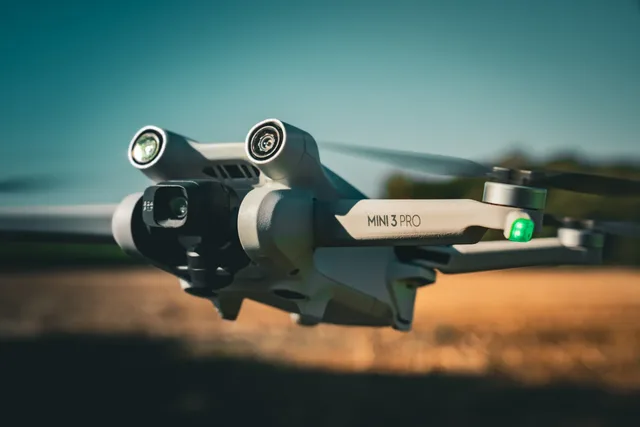
One method for drone basic time saving is to monitor environmental factors like wind speed. Flying against a strong headwind forces the motors to work much harder to maintain position, which drains the battery at an accelerated rate.
Choosing to fly in calm conditions is the simplest way to maximize your session.
Another aspect of drone basic time saving is managing your flight altitude. While higher altitudes might offer better views, the energy required to climb and maintain height in thinner air can be significant. Staying at a moderate, consistent altitude helps stabilize the power consumption.
Extend drone battery life
A battery sits on a charging station, its light transitioning from amber to a solid green. The cool air of the room keeps the hardware stable as it reaches its full capacity.
Learning how to extend drone battery life focuses more on the long-term health of your equipment rather than just a single flight.
To extend drone battery life over many months, avoid storing batteries in a fully charged or fully discharged state. Keeping them at a storage voltage prevents chemical degradation.
Additionally, avoid charging batteries immediately after a flight; let them cool down to room temperature first to prevent internal heat damage.
| Method | Primary Benefit |
|---|---|
| Storage Voltage | Prevents chemical degradation |
| Cooling Period | Prevents internal heat damage |
I find that letting my batteries rest for twenty minutes before plugging them into the charger makes a noticeable difference in their longevity.
Beginner drone flight time tips

The sun begins to set, casting long shadows across the field as you pack your gear into its case. You check the battery levels one last time, ensuring everything is ready for the next session. Following beginner drone flight time tips is the final step in becoming a responsible and efficient pilot.
Always keep an eye on your voltage readings rather than just the percentage indicator. Voltage can drop sharply during high-stress maneuvers, giving a false impression of remaining time. Being aware of these subtle changes helps you avoid the stress of a sudden power failure.
One limitation to these methods is that extreme cold can cause a sudden drop in battery performance regardless of how well you fly. In such conditions, the chemical reactions inside the battery slow down, and you must be even more vigilant about your return-to-home settings.
The same subject is also called Easy drone flight control.
This part also covers Drone usage time management guide.
Related





Comments 0