Beginner embroidery budget guide: How to start needlework
"The beauty of needlework lies not in the perfection of the stitch, but in the quiet rhythm of the needle passing through fabric."
This beginner embroidery budget guide offers a roadmap for beginning your creative journey without spending too much on pricey kits. You will learn how to select essential tools, how to maintain interest through small projects, and how to avoid common pitfalls that drain your wallet.
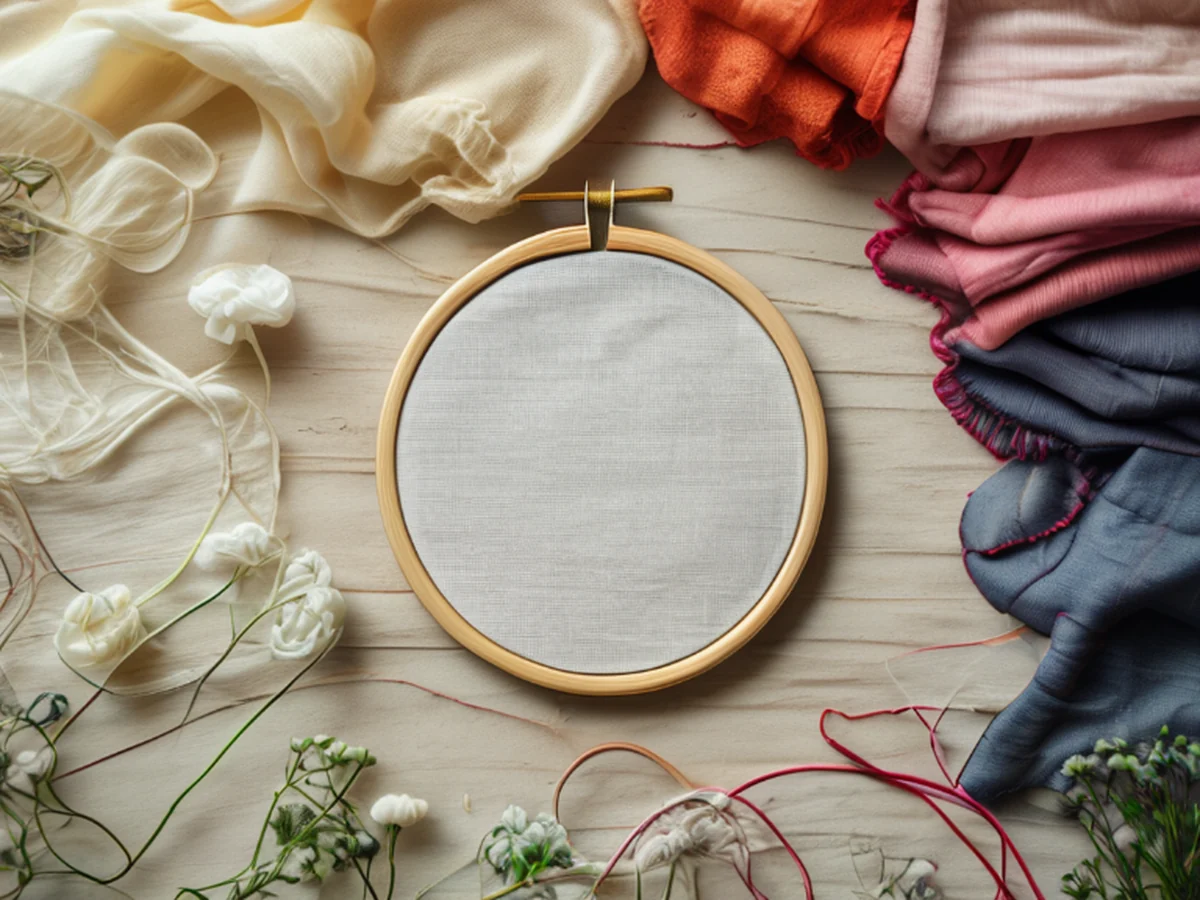
This guide focuses on essential supplies, simple project ideas, and the distinction between enjoying the process and building technical skill.
What is embroidery and why start it?
A needle pulls colorful thread through fabric to create patterns, textures, and images. This hobby offers a tactile sense of accomplishment as a flat piece of cloth transforms into a three-dimensional work of art.
The joy of embroidery comes from the meditative repetition of stitching. It allows for personal expression through color and texture while providing a tangible result you can wear or display. It serves as a perfect way to repurpersonally decorate items or simply pass the time creatively.
How do you begin your first project? Beginner embroidery budget guide
Picking up a needle for the first time requires a clear sense of direction to prevent frustration. You can start by selecting a simple design and gathering only the most vital tools to avoid clutter.
- Choose a stable, non-stretchy fabric like cotton to ensure your tension remains consistent. 2. Select a basic embroidery hoop that fits your fabric size to keep the surface taut. 3. Pick a single type of thread and a few versatile needles to practice basic stitches.
I remember my first attempt, where I sat at my wooden kitchen table with nothing but a scrap of linen and a single spool of blue thread. I realized then that you do not need a massive collection to make something beautiful.
What are the essential supplies for a low cost starter kit?
A cheap embroidery starter kit typically includes a hoop, needles, thread, and fabric. However, you can often find these items separately to better control your initial spending.
Buying individual components allows you to prioritize quality where it matters most, such as needles that do not snag. You can use existing household items, like an old glass jar or a small bowl, to hold your supplies while you work.
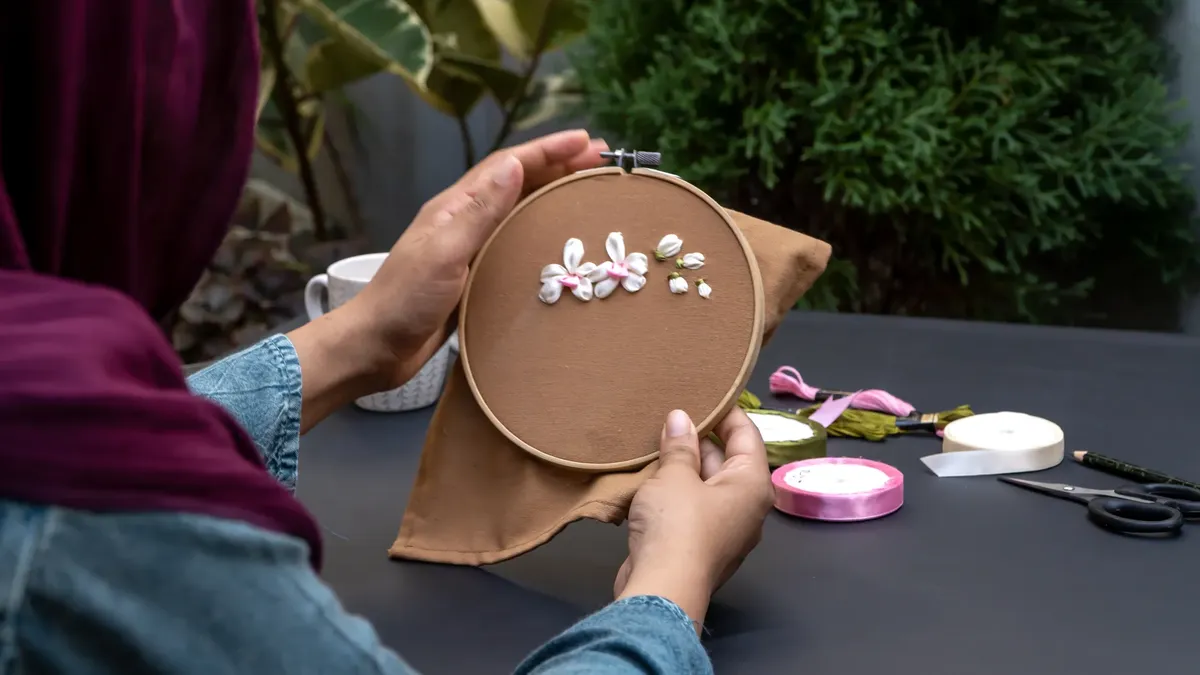
A low cost needlework ideas approach focuses on using what you have rather than buying specialized kits for every new design.
| Item | Purpose | Budget Tip |
|---|---|---|
| Embroidery Hoop | Holds fabric taut | Use various sizes for different projects |
| Embroidery Floss | Provides color and texture | Buy primary colors to mix and match |
How can you keep the hobby fun?
The goal of a hobby is enjoyment, not just the production of perfect items. Using affordable craft supplies to create small, manageable pieces ensures you do not feel overwhelmed by the scale of a project.
To keep the momentum, focus on small wins rather than massive tapestries. Try decorating a small patch or a single corner of a pillowcase to see immediate results. Sharing your progress with friends or on social media can provide social validation that keeps the creative spark alive.
How do you transition to being good at embroidery?
If you want to move beyond simple shapes, you must focus on technique and intentionality. This stage is about moving from "just stitching" to mastering specific textures and controlled tension.
Refine your skills by practicing specific stitches like the French knot or the satin stitch repeatedly. Aim to master one type of stitch before moving to the next to build a strong foundation.
You can also join local stitching circles or online communities to exchange tips on advanced techniques and specialized tools.
What are common mistakes to avoid?
A common error is buying too much specialized equipment before mastering the basics. Beginners often fall into the trap of purchasing expensive kits that include colors or tools they will never use.
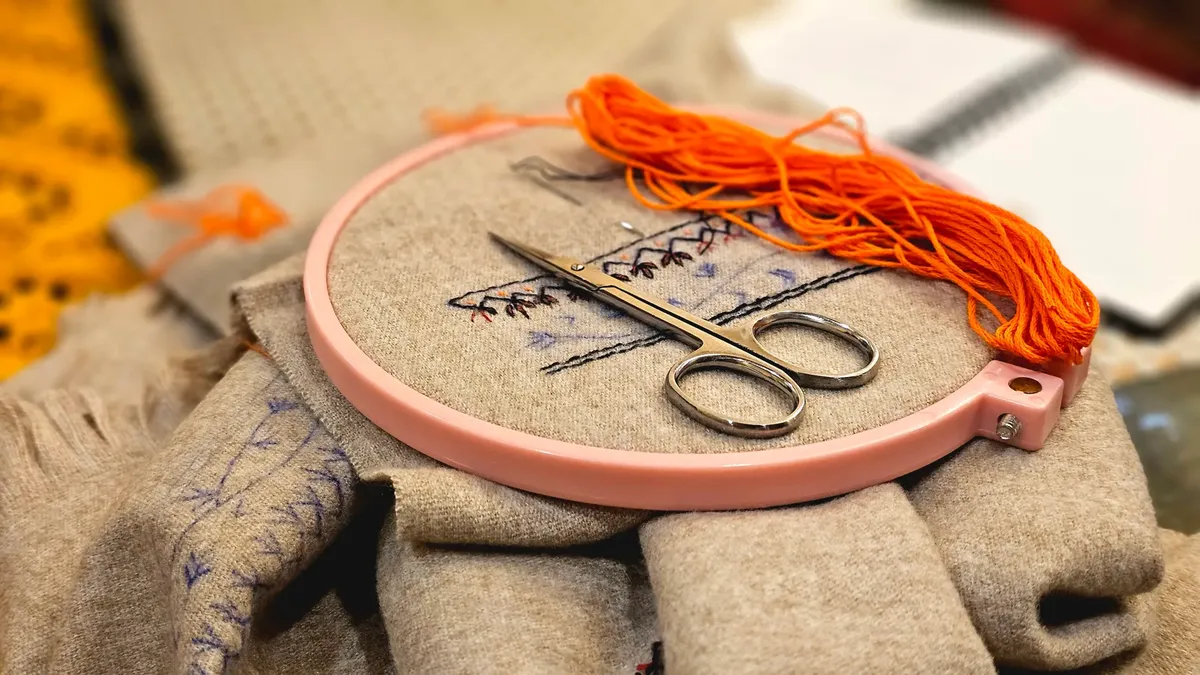
Another mistake is using fabric that is too thin or stretchy, which causes the hoop to lose tension. Avoid the urge to rush through a project; tension issues often arise when you try to finish too quickly. Always remember that a mistake is just a part of the design process.
The subject here is Beginner embroidery budget guide.
The same subject is also called Easy embroidery for beginners.
This part also covers DIY embroidery on a budget.
This part also covers Setting up a craft space cheaply.
DIY embroidery on a budget
Related
- Beginner soap making guide: Tips for 80-inch soap blocks
- Baking Success: Golden Recipes Beyond the Oven for Beginners
How does the beauty of needlework relate to the process? 1. The beauty of needlework resides in the quiet rhythm of the needle passing through fabric, rather than in flawless execution. 2. This rhythmic action allows the creator to experience a tactile sense of accomplishment as the cloth transforms. 3. The meditative repetition inherent in stitching provides a pathway for personal expression through the chosen colors and textures. 4. This process offers a tangible outcome that can subsequently be worn or displayed by the artist.
When should one consider upgrading supplies? 1. One should consider upgrading supplies after mastering a basic stitch or two, signaling a readiness for more specialized tools. 2. The initial focus should remain on using affordable craft supplies to ensure the hobby remains enjoyable. 3. Moving toward advanced techniques necessitates a deeper focus on technique and intentionality, which may require better materials. 4. A caution exists against buying too much specialized equipment before the fundamentals of needlework are firmly established.
When practicing basic stitches, the consistency of the fabric tension is a critical factor in the final appearance of the needlework. Maintaining this tension requires using a stable, non-stretchy material within the hoop.
If the fabric stretches excessively, the tension will become inconsistent, potentially ruining the intended pattern.
To manage the initial investment, one can employ low cost needlework ideas by repurposing household items for storage. This approach minimizes the need to purchase specialized containers for the various threads and needles used in the needlework.
Focusing on small, manageable pieces helps maintain the enjoyment factor in the hobby. Seeing immediate results from a small patch provides a positive reinforcement loop that encourages continued engagement with the needlework.



Comments 0