Beginner's Guide: Tackle Selection for Freshwater Angling
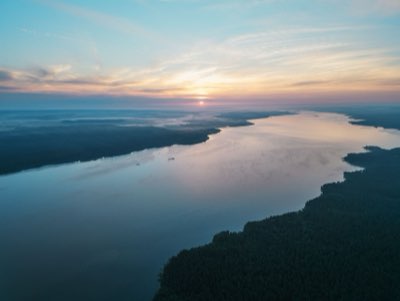
"The quiet ripple of a lake at dawn is often interrupted by a sudden, violent tug that makes your heart race."
Freshwater fishing is the perfect entry point for anyone looking to trade screen time for sunshine. It offers a unique blend of meditative stillness and sudden, adrenaline-pumping action that is often much more accessible than heading out to the unpredictable ocean.
Key Takeaways
* Freshwater fishing balances immediate "hand feel" excitement with the long-term goal of mastering angling techniques. * Success depends on matching your specific gear to the local environment and target species. * You can find deep satisfaction in the peacefulness of the water, regardless of whether you catch anything. * A low-budget entry allows you to learn the fundamentals before committing to high-end professional equipment.
Why Freshwater Fishing? Bridging the Gap Between Hobby and Skill
The sun is just beginning to burn through the morning mist over a local pond at 6:15 AM, and you find yourself standing on a muddy bank, feeling the weightless tension of a thin line against your index finger.
This is the quiet beginning of a hobby that can range from a peaceful weekend escape to a highly technical pursuit.
According to the Food and Agriculture Organization, the world harvest in 2005 consisted of 93.3 million metric tons captured by commercial fishing in wild fisheries, plus 48.1 million metric tons produced by fish farms.
Unlike saltwater fishing, which often requires expensive boats and a tolerance for salt spray and unpredictable tides, freshwater fishing is incredibly approachable.
Most lakes and slow-moving rivers are just a short drive from suburban neighborhoods, making it easy to squeeze an outing into a weekend schedule.
The beauty of this hobby lies in its dual nature. For many, the "fun" is found in the sensory experience—the rhythmic motion of casting and the sudden, sharp tug on the line. For others, the goal is "successful angling," which involves the intellectual challenge of outsmarting a fish.
Because the barrier to entry is so low, you don't need to spend $1,000 to start. You can begin with a basic setup and grow into more specialized equipment as your skills and interests evolve.
The beauty of the water is often enough, but the real challenge begins when you step away from the shore and into the unpredictable.
How do I get started? You stand at the local bait shop on a Tuesday afternoon, staring at a wall of colorful rods and tangled reels, feeling slightly overwhelmed by the sheer number of choices. This is the first hurdle every beginner faces: deciding which direction to take.
Your first step is to define your goal. Are you looking for a relaxing way to spend an afternoon with a book and a rod, or do you want to master the art of the perfect cast and fill a bucket? If you want relaxation, a simple setup is best.
If you want to develop skills, you might focus on learning specific techniques like fly fishing or lure casting.
Next, consider your location. For a first trip in the summer of 2026, look for small, controlled environments like community ponds or local lakes. These areas often have more predictable fish behavior and easier access than large, moving rivers.
Before you head out, plan your "trial run." Don't try to conquer a massive river on your first day. Start with a small, manageable body of water where you can practice casting without snagging trees or walking 3 miles to find a spot.
When I first started, I spent 4 hours trying to untangle a single line in a thicket of bushes, and I realized then that preparation is everything.
But having a plan is only half the battle; you still need the right tools to make that plan work.
What gear do I need to choose? You sit on a folding chair at 7:30 AM, carefully untangling a bird's nest of line from your reel, realizing that choosing the right tools is just as important as choosing the right spot.
Selecting gear is where many beginners overspend or underspend. The goal is to find a balance that allows for growth without breaking the bank.
| Component | Beginner Recommendation | Purpose |
|---|---|---|
| Rod Type | Spinning Rod (Medium Action) | Versatile for various fish sizes and easy to cast. |
| Reel Type | Spinning Reel | Easier to manage line tangles than baitcasting reels. |
| Line | Monofilament | Stretchy and easy to knot, perfect for learning. |
| Basic Tacklepiece | Variety Pack of Hooks, Bobbers, & Weights | Allows you to experiment with different depths. |
Rod and Reel Matchup For freshwater, a spinning rod and reel combo is the gold standard for beginners. They are much more forgiving when casting and easier to handle than heavy-duty saltwater setups.
Look for a "medium" action rod, which provides enough strength to pull in a 3-pound bass but enough flexibility to feel subtle nibbles.
Lures vs. Bait This is a classic debate. Live bait (like worms or minnows) is often much easier for beginners because fish find the scent and movement highly attractive. Artificial lures, on the other hand, require more technique to look "natural" in the water.
I suggest starting with a mix: use bait to get your confidence up, and use lures to practice your casting accuracy.
Budgeting Tip Avoid the urge to buy a $300 setup immediately. A decent, entry-level combo can often be found for under $50. Use that saved money to buy a variety of hooks, weights, and a few different lures.
This allows you to experiment with different styles before committing to a specific "pro" setup.
Choosing the right gear is vital, but knowing where to cast that gear is where the real magic happens.
Mastering the Art: Fun vs. Form
You watch a dragonfly land on the tip of your rod at noon, momentarily distracted from the quiet tension of the line, realizing that the silence is just as rewarding as the catch.
There is a fundamental difference between "having fun" and "getting good," and successful anglers learn to enjoy both.
Having Fun (The Pursuit) The pursuit is about the experience. It is the quiet morning and the smell of the pine trees. If you focus solely on the catch, you might find yourself frustrated during quiet periods.
Instead, set small, non-catch goals: "I want to practice my casting accuracy today" or "I want to learn how to tie a perfect Palomar knot." These small wins keep the hobby rewarding even when the fish aren't biting.
Getting Good (The Skill) As you grow, you will want to understand *why* fish are behaving a certain way. This involves studying feeding patterns and seasonal movements. Getting good requires patience and observation. You aren't just waiting for a fish; you are studying the environment.
The Role of Patience In fishing, downtime is part of the game. Learning to manage frustration during quiet hours is a skill in itself. Use that time to clean your gear, observe the water, or simply practice your knots.
But even with the best patience and the best gear, you can still fail if you don't know where to look.
Point Strategy: Where and How to Fish
You crouch low by the water's edge at 5:00 PM, looking for a dark shadow beneath a fallen log, trying to understand where the fish might be hiding.
Successful fishing is often about "reading the water." Fish don't just swim aimlessly; they look for cover and food.
* Structure and Cover: Fish love to hide. Look for fallen trees, large rocks, lily pads, or docks. These areas provide protection and often house plenty of food. * Depth and Temperature: In warmer months, fish often move to deeper, cooler water during the heat of the day. In cooler months, they might move to shallower, sun-warmed areas. * Seasonal Adjustments: Vegetation growth changes throughout the year. In the spring, fish might be near shallow spawning grounds; in late summer, they might congregate around deeper holes.
Always look for "edges." The transition point where deep water meets a shallow bank, or where a weed bed meets open water, is often where fish wait to ambush their prey.
Even the best strategy can be ruined by a single mistake at the water's edge.
Rookie Pitfall & Safety Net
You look down at a snapped line and a lost lure at 10:00 AM, realizing that a small mistake in technique or gear choice has cost you a successful afternoon.
To keep the hobby enjoyable, you must avoid common beginner traps.
The "Wrong Gear" Trap Using a heavy-duty saltwater rod in a small pond might make you feel powerful, but it lacks the sensitivity needed to feel a light strike. Conversely, using a tiny trout rod to try and catch a large bass will lead to broken equipment and frustration.
Always match your gear to your target.
Environmental Responsibility Always follow local fishing regulations. This includes getting the proper licenses and adhering to seasonal closures. Additionally, practice "Leave No Trace." Never leave discarded line, broken lures, or trash at your fishing spot.
Lost line can be deadly to birds and other wildlife.
Handling the Fish If you plan to practice catch-and-release, learn how to handle fish properly. Wet your hands before touching them to protect their protective slime coating. Avoid gripping fish too tightly and try to keep them in the water as much as possible.
Quick Checklist for Your First Trip: 1. Verify License: Ensure you have a valid fishing license on your person. 2. Pack the Tackle Box: Check for hooks, weights, bobbers, and pliers. 3. Prepare Tools: Bring a small cutting tool or scissors for line. 4.
Sun and Bug Protection: Pack sunscreen and insect repellent. 5. Hydration and Fuel: Bring a reusable water bottle and 2-3 light snacks. 6. Hand Care: Pack a small towel for wiping hands.
FAQ
Is it better to fish alone or with friends? Both have merits. Fishing alone is incredibly meditative and allows you to move at your own pace. Fishing with friends makes the experience social and helps with learning new techniques through shared observation.
How often should I clean my gear? After every trip, especially if you have been in saltwater or near abrasive sand, you should wipe down your rod and reel to prevent corrosion and buildup.
What is the best time of day to fish? While fish can be caught at any time, the "golden hours" are typically dawn and dusk when fish are most active and feeding.


Comments 0