Freshwater Fishing: Beginner's Guide to Gear & Technique
"The tug on the line is a sudden, electric connection to a world beneath the surface."
Freshwater fishing is one of the most accessible ways to connect with nature, offering a perfect balance between quiet contemplation and the sudden adrenaline of a strike.
Whether you are looking to relax by a quiet pond or test your skills in a moving river, understanding the basics makes the difference between a frustrating day and a memorable one.
Key Takeaways: * Freshwater fishing is highly accessible, requiring less specialized travel and expensive equipment than saltwater fishing. * Success is found by balancing "Fun Mode" (relaxation) with "Skill Mode" (targeting specific catches).
* Properly matching your gear to your target species and understanding water structure are the foundations of a successful outing.
Why Freshwater Fishing? Bridging the Gap Between Hobby and Harvest
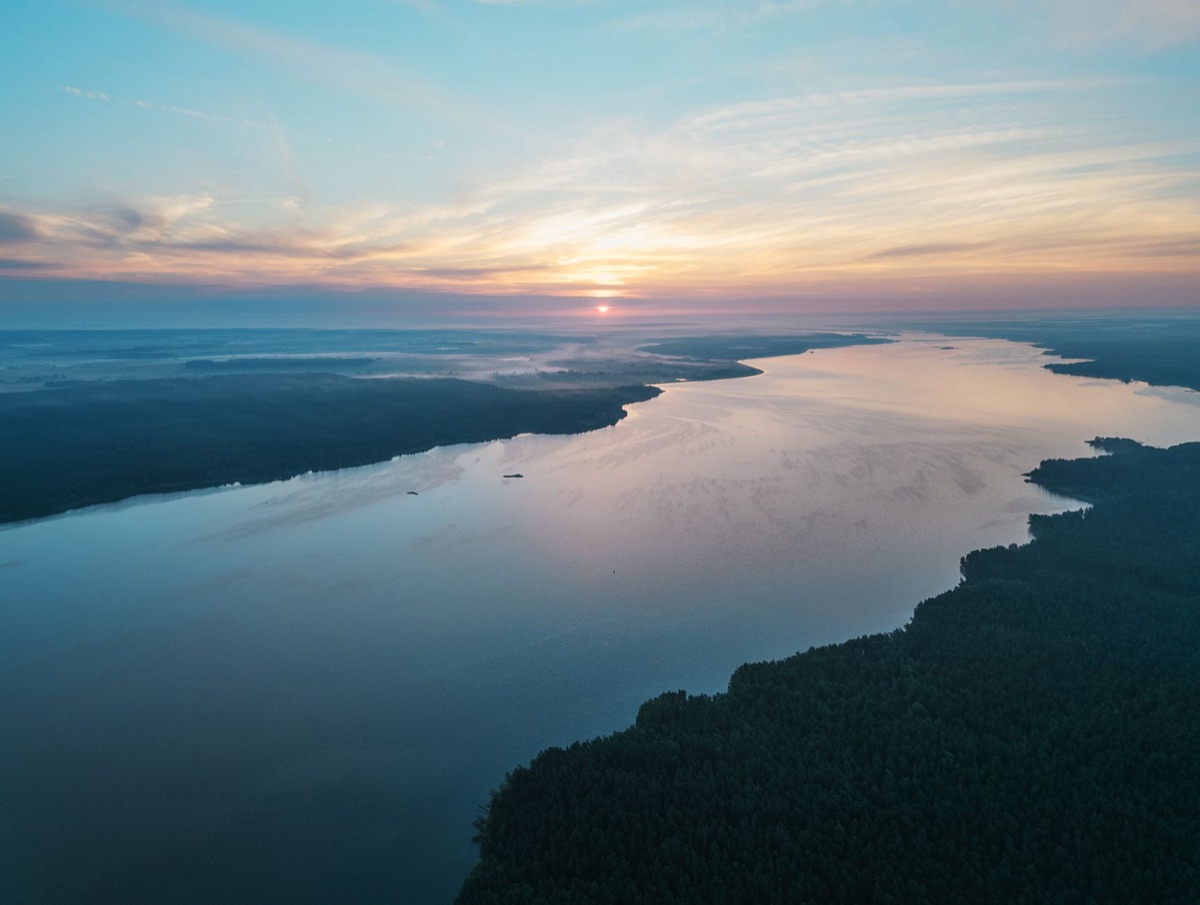
The sun hangs low over a quiet, glassy lake, and the only sound is the rhythmic *swish* of a line cutting through the air. You sit on a folding chair, a thermos of coffee at your feet, watching the dragonflies skim the water's edge.
According to a 2018 report from the FAO, it was estimated that 33.1% of world fish stocks are subject to overfishing.
According to a 2018 report by the United Nations Food and Agriculture Organization, 33.1% of world fish stocks are subject to overfishing.
For many, saltwater fishing is a grand adventure involving boats and heavy gear, but it often comes with high costs and logistical hurdles. Freshwater fishing, however, brings the adventure to your backyard.
It is a hobby that bridges the gap between a peaceful meditative practice and a tangible, rewarding harvest.
The dual appeal lies in two distinct experiences: the "hand feel"—that sudden, sharp vibration when a fish hits your lure—and the quiet satisfaction of a successful catch. You might go out looking for a quiet moment to clear your head, or you might go out with a specific goal of filling a bucket.
Both are valid, but knowing which mode you are in helps you manage your expectations. If you go looking for a trophy fish but only find peace, you haven't failed; you've simply engaged in a different kind of success.
But what happens when you actually step up to the water's edge and realize you aren't prepared?
How do I get started? A quiet morning at a local park pond reveals a small ripple near a lily pad, signaling that something is moving just below the surface. You realize that before you even cast a line, you need to decide what kind of day you are having.
As noted by the FAO, the world harvest in 2005 consisted of 93.3 million metric tons captured by commercial fishing in wild fisheries, plus 48.1 million metric tons produced by fish farms.
Your first step is goal setting. I often tell new anglers to decide if they are in "Fun Mode" or "Skill Mode." In Fun Mode, the goal is low pressure. You might use simple bobbers, cast near the shore, and focus on the atmosphere.
If you don't catch anything, it doesn't matter, because the goal was the walk in nature and the quiet company of a friend.
Skill Mode is different. This is where you focus on improving your casting accuracy, learning to read the water, and aiming for a specific species. This mode requires more preparation and patience, but it offers the thrill of measurable improvement.
Once you have your mindset, you need to scout a location. Start with local bodies of water like community ponds, small lakes, or slow-moving rivers. These are often easier to navigate and have more predictable fish behavior than large, unpredictable lakes.
Approach these new waters with a light touch—don't overcomplicate your setup right away. Start simple, observe how the water moves, and see where the fish might be hiding before you commit to a heavy gear setup.
But once you arrive at the water, how do you decide what to buy without breaking the bank?
What gear do I actually need and how much will it cost? You stand in a local tackle shop, surrounded by aisles of colorful plastic, shimmering metal, and endless spools of line, feeling slightly overwhelmed by the choices.
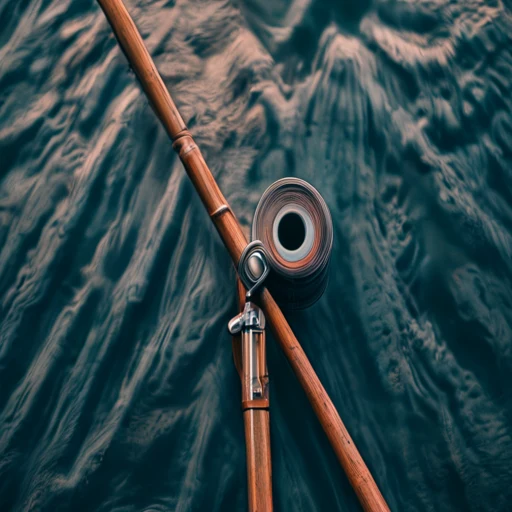
The most common mistake is buying everything at once. You don't need a professional-grade setup to start. Your primary needs are a rod, a reel, line, and some basic lures or bait.
Rod and Reel Selection You should match your gear to your target. If you are targeting small panfish, a light-action rod is perfect. If you want to catch larger bass, you might need something sturdier.
Lures and Bait For beginners, live bait like worms or minnows is often the most effective way to ensure a "hand feel" moment. If you prefer lures, start with a few versatile options like soft plastic worms or small spinners.
Note that flies used in specialized fishing can range in size from a few millimeters to 30 cm (12 in), though most are between 1 and 5 cm (0.39 and 1.97 in). Choosing the right size is crucial for matching what the fish are looking for.
Budgeting and Safety * Low-Budget Entry: A basic spinning combo and a container of worms can get you started for a very low price. * Investment Tier: If you find you love the hobby, investing in a high-quality graphite rod and a reliable reel will improve your casting and durability.
* Safety Gear: Always carry sunscreen, insect repellent, and a small first-aid kit.
If you are wading into water, consider waterproof boots or neoprene waders. Historically, "stocking foot" waders were made of latex rubber, but modern versions are often made of 3 mm thick neoprene to provide extra warmth.
| Gear Category | Low-Budget Option | Investment Option |
|---|---|---|
| Primary Tool | Simple Spinning Combo & Worms | High-Quality Graphite Rod & Reel |
| Purpose | Immediate fun and ease of use | Long-term durability and precision |
| Target | Generalist/Beginner | Specific species/Skill-focused |
If you have the gear, you still need the technique. So, how do you actually catch something?
Mastering the Art: Techniques for Enjoyment vs. Skill
The weight of the rod in your hand feels natural as you practice a slow, controlled cast toward a patch of reeds.
To keep the hobby sustainable, you must separate the act of "just playing" from the act of "getting better."
For Fun (The Pursuit) This is about the atmosphere. Techniques like using a bobber or a simple float allow you to sit back, chat, and watch the water. It is about the ritual of casting and the quiet observation of nature. This is perfect for families or when you just need a mental break.
For Skill (The Harvest) This is where you work on technique. You might practice "sight fishing," where you look for fish near cover, or work on your casting distance and accuracy.
A key part of skill-building is understanding feeding habits. For example, many fish, such as trout, feed below the water's surface nearly 90 percent of the time. This means that while surface strikes are exciting, much of your success will come from presenting your bait or lure at the right depth.
Mastering the ability to adjust your presentation to the water column is what separates a casual hobbyist from a skilled angler.
But where exactly should you point that rod?
Point Strategy: Where and When to Cast
You crouch by the bank, looking at a submerged log that creates a dark shadow in the shallow water.
Successful fishing is often about finding where the fish live, not just where they are. You need to understand "structure." Fish love cover—things like fallen trees, lily pads, docks, or underwater rock piles. These spots provide protection and often house food.
Reading the Water * Vegetation: Thick weeds often hide fish looking to ambush prey. * Drop-offs: Areas where the bottom suddenly gets deeper are prime locations for larger fish.
* Currents: In rivers, look for "eddies" or slow-moving pockets behind rocks where fish can rest while waiting for food to float by.
Timing is Everything The time of day plays a massive role. Often, fish are most active during "low light" periods—dawn and dusk. During these times, fish move into shallower water to feed.
Midday can be more challenging, often requiring you to look for fish in deeper, cooler water or under heavy cover.
When you finally hook a fish, how do you handle it without causing harm?
Rookie Pitfalls & Etiquette: Staying Safe and Respectful
You carefully unhook a small fish, feeling its slippery texture, before gently lowering it back into the water.
As a beginner, it is easy to make mistakes that lead to frustration or harm to the environment.
Common Mistakes * Wrong Depth: Using a heavy weight that sinks to the bottom when you should be using a light float, or vice versa. * Over-complicating: Trying to use too many lures at once instead of mastering one.
* Ignoring the Environment: Not checking local weather or water levels before heading out.
Etiquette and Ethics Always check local regulations. Every body of water has specific rules regarding seasons, catch limits, and required licenses. Respecting these is not just a legal requirement but a way to ensure the hobby remains available for everyone.
Practicing catch-and-release is a cornerstone of modern angling. If you are not planning to eat your catch, handle the fish with wet hands to protect their protective slime coating. This ensures they can survive once returned to the water.
To make sure your first outing is a success, follow this quick checklist:
- Check the License: Ensure you have the proper local fishing permit before you touch the water.
- Pack the Essentials: Bring water, sunscreen, and a basic first-aid kit.
- Set Your Goal: Decide if you are there for relaxation or for a skill-building challenge.
- Scout the Structure: Look for fallen trees, docks, or weed beds before casting.
- m5. Handle with Care: If you catch and release, always wet your hands first to protect the fish.
#




Comments 0