Board Games: 5 Ways to Enhance Strategic Thinking Skills
"Learning the rules of a game is like learning the language of a new world."
Board games are far more than just rolling dice; they are deep intellectual hobbies that demand logical reasoning and strategic decision-making. From solo puzzle-style games to social strategy games played in large groups, the possibilities are endless.
* Difficulty: Beginner (easy) to Advanced (complex rules) * Time Commitment: 15 minutes (party games) to 4+ hours (heavy strategy games) * Supplies: A game box, a flat table, and writing utensils (if needed)
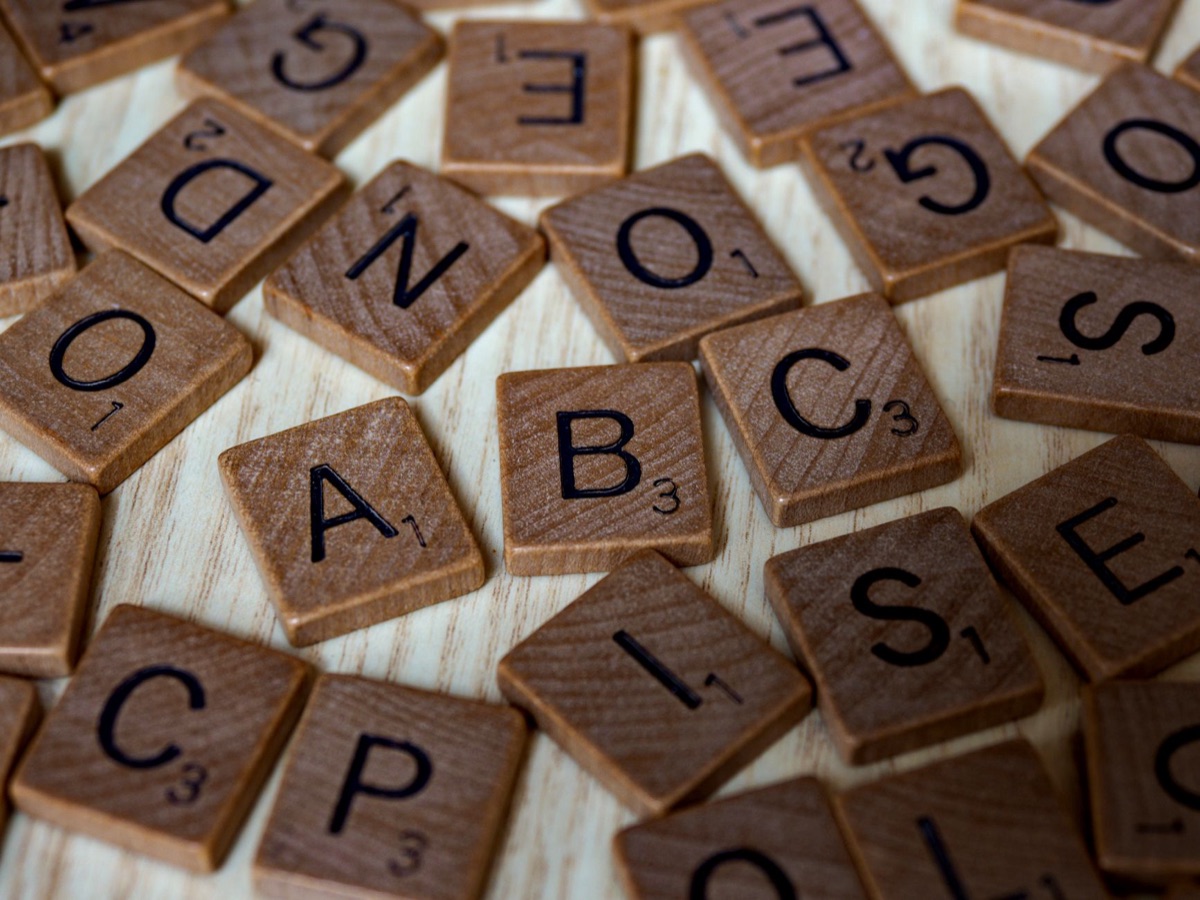
Why are we all obsessed with board games right now?
Rain drums against the window of a quiet corner cafe in downtown Seattle. I sit at a small wooden table, looking down at a spread of beautifully printed cards and tiny wooden tokens.
In this still space, away from the constant ping of smartphone notifications, I am completely lost in the mental tug-of-war happening on the game board in front of me.
The board game market has already reached a massive scale.
An estimate from 2014 put the growth of the board game market at between 25% and 40% annually since 2010, describing the current era as a "golden era for board games."
As of 2026, this trend represents more than just a growing retail market; it reflects a growing human desire to interact physically and enjoy intellectual play in person.
The appeal of this hobby is clear. Unlike the rapid-fire stimulation of digital gaming, there is a tangible sense of reality in the texture of a card or the weight of a miniature.
Furthermore, the process of finding the optimal move within a set of rules serves as an excellent workout for the brain.
But how do you step into this captivating world without getting overwhelmed?

First steps: What kind of game should you start with?
I remember the first time I spread a massive game box across my living room table to host a group of friends in late 2024. Everyone was excited to tear into the packaging, but as the complex rulebook was opened, the atmosphere shifted from excitement to confusion.
We eventually gave up on that game and reached for a simple deck of cards instead.
Beginners should avoid jumping straight into heavy, complex strategy games. The first step is understanding different genres and finding the category that fits your personality.
- Party Games: These have very simple rules and short playtimes, usually between 15 and 30 minutes. They are perfect for breaking the ice and getting a group laughing.
- Euro Games: These focus on resource management and building efficient systems. Success usually depends on clever decision-making rather than luck.
- Deck Building: In these games, you start with a small set of cards and gradually build a more powerful deck throughout the game.
- Cooperative Games: Instead of competing against each other, players work together to beat the game's internal mechanics.
When starting out, choose based on player count, playtime, and whether you prefer competition or cooperation.
Taking it one step at a time is much smarter than picking a game that is too difficult, which can kill your interest entirely.
However, there is a common pitfall that many newcomers face.
Supplies and budget: How much will it cost?
There is a specific kind of excitement that comes from carefully opening a brand-new game box. I like to line up the components one by one on a clean table, imagining the new experiences this game will provide.
While most games come with everything you need inside the box, you might want to consider a few extra items for a better experience.
| Category | Supplies | Notes |
|---|---|---|
| Essential | Game box, flat table | Contains all necessary components |
| Recommended | Writing utensils, notepad, dice tray | Helps with scoring or resource management |
| Advanced | Card sleeves (protectors), storage inserts | Protects cards and keeps things organized |
Budget Guide: * Beginner Level: $20–$40. Focus on light card games or party games. * Intermediate Level: $50–$80. This allows for more substantial strategy games or themed experiences. * Collector/Advanced Level: $100+.
These are premium games with elaborate miniatures or large-scale components.
Low-budget alternatives: You don't need to buy expensive gear right away.
Using second-hand marketplaces or visiting local board game cafes is a much more economical way to try various games before committing.
But once you start playing, a new challenge arises.
How to have fun: Enjoying the game without the stress
It was a Saturday evening in 2025, and a group of friends had gathered in my apartment. Some were leaning in with intense eyes, looking to win, while others were just there to chat and laugh.
To make sure everyone has a good time, you have to define the purpose of the session.
To truly enjoy the hobby, you should focus on the "experience" rather than just the "win-loss" record.
* Solo Play: Many modern games include a "solo mode." If you want to fill your quiet time with deep thought, look for games with strong puzzle elements. * Set Small Goals: Instead of just trying to win, try setting personal challenges, such as "I want to try using this specific card" or "I want to test this specific strategy." * Keep a Record: Write down the date, the number of players, the result, and a short note about how you felt. Looking back on these notes years later is a unique joy. * The Joy of Togetherness: In group settings, it is vital to ensure no one feels left out. A true party game is about everyone playing a role and creating a shared story, rather than one person dominating the table.
Once you have mastered the social etiquette, you might feel the urge to get serious about your skills.

How to get better: For those who want to improve
The rules are finally second nature, and the hunger for victory has started to kick in. Now, you want to move beyond just "playing" and start mastering the art of the optimal move.
If you want to improve your strategic depth, you need a structured approach:
- Master the Rules: Every strategy is built on a foundation of rules. You must understand every exception and complex interaction to build a reliable strategy.
- Pattern Analysis: Analyze the game mechanics. Practice identifying which resources are most efficient and which actions provide the highest score-to-effort ratio.
- Replay and Review: The most important time is after the game ends. Analyze why you won or why you lost. Compare your moves to those of the most skilled players at the table.
- Join a Community: Join local gaming clubs or online communities to learn advanced strategies and meet different styles of players to test your limits.
However, as you get better, you will inevitably run into unexpected hurdles.
Common mistakes and pitfalls for beginners
The atmosphere at the table can turn cold very quickly when one player spends too much time agonizing over a single move, leaving everyone else waiting in silence.
A fun social time can easily turn into a test of patience.
* The Role of the "Rule Master": When learning a new game, it is helpful to have one person who knows the rules well to explain them. However, avoid long, rambling lectures; stick to the core mechanics to keep interest high. * Manners Over Victory: Never let competitiveness turn into rude behavior. Remember that a game is ultimately a social gathering between people. * Space Requirements: Some games have massive components that require a lot of table space. Always check the size of the game against your available table space before you start. * Second-hand Caution: When buying used, check carefully for missing pieces or damaged cards. For games with miniatures, check for broken parts.






Comments 0