Minimalist Camping: Less Gear, More Nature Experiences Await
"The best way to experience the wild is to carry as little of it as possible."
If you look at a camping catalog, you might think you need a $500 tent, a specialized titanium stove, and a modular sleeping system just to spend one night under the stars. In reality, the weight of your gear often weighs down the joy of the experience itself.
Key Takeaways * Camping doesn't require a full expedition kit; focus on the core essentials. * The goal is enjoyment and experience accumulation, not gear perfection. * A structured approach allows beginners to build skills gradually.
* Small adjustments lead to big reductions in bulk and complexity.
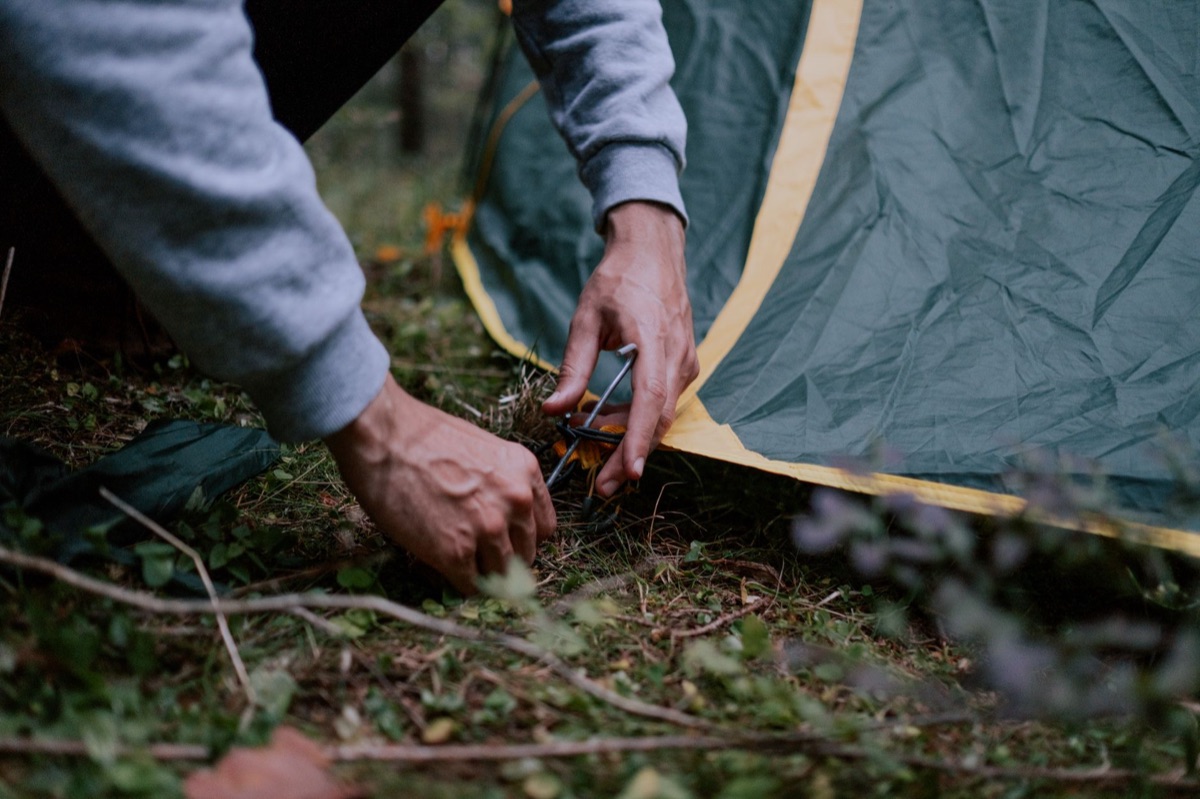
Why "Minimalist Camping" is the Perfect Entry Point for Beginners?
The sun is setting over a local state park in Virginia in the autumn of 2025, and a young couple stands next to a car overflowing with bulky plastic bins, oversized chairs, and a massive pop-up tent that looks like it belongs in a circus.
They spent three hours setting up, only to realize they forgot the fuel for the stove and the stakes for the tent. This is the "gear trap"—the illusion that more stuff equals a better adventure.
The psychological barrier of large gear purchases often prevents people from ever stepping foot in the woods. Many potential campers look at the price tags of high-end trekking kits and decide that the hobby is too expensive or too complicated.
In my own experience, I once spent $400 on a specialized camping chair only to realize it was too heavy to carry more than 200 yards from my car. I ended up sitting on a fallen log instead.
Minimalist camping flips this script by shifting the focus from "owning everything" to "needing only what you use."
In the beginning, there is a massive difference between "survival mode" and "leisure mode." Survival mode is when you are so preoccupied with managing your gear—fighting with a heavy tent or struggling to light a temperamental stove—that you forget to look at the trees.
Leisure mode is when your gear is so streamlined that it disappears into the background, leaving you free to actually exist in nature.
By choosing a minimalist approach, you enhance your presence. When you aren't lugging a 60-pound pack, you can walk further, sit longer, and listen more closely to the wind in the pines. It turns a logistical nightmare into a way to deepen your appreciation for the outdoors.
But how do you know what to leave behind without compromising your safety?
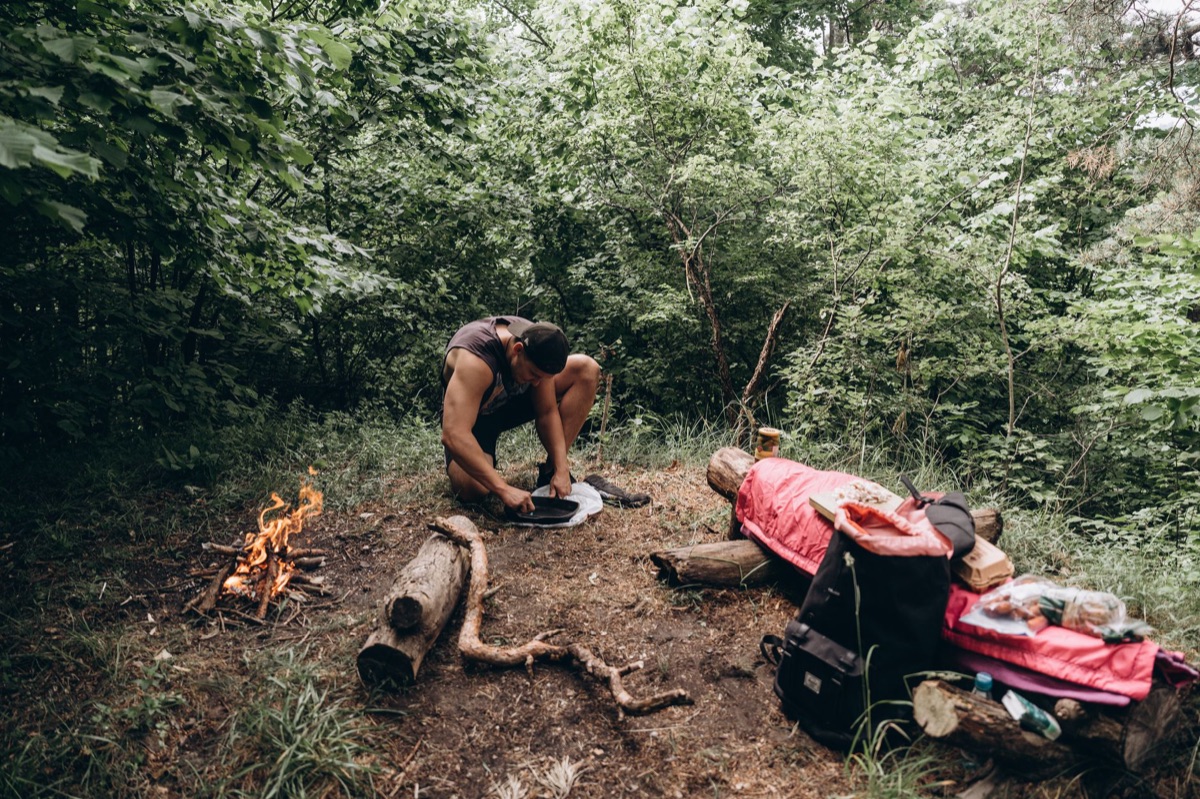
What Do You *Actually* Need for Your First Weekend Trip?
A single backpack sits on a wooden porch in the early morning light of a July morning in 2026. Inside, there is nothing but a sleeping bag, a pad, a light jacket, and a water bottle. It looks almost too simple to be a "camping setup," but it is exactly what is needed for a successful first night.
To avoid the gear trap, you must categorize your needs into three distinct systems: shelter, cooking, and personal gear.
Shelter and Sleep System For your first trip, a simple tent is usually better than a tarp. While a tarp is lighter, a tent provides a sense of security and protection from insects that beginners often need.
* The Bag: Look for a sleeping bag with a temperature rating at least 10 degrees lower than the lowest expected nighttime temperature. * The Pad: Do not skip the sleeping pad. It isn't just for comfort; it provides insulation from the cold ground. Look for a basic foam pad or an inflatable pad with a decent R-value.
Cooking and Sustenance Don't try to cook a five-course meal on your first trip.
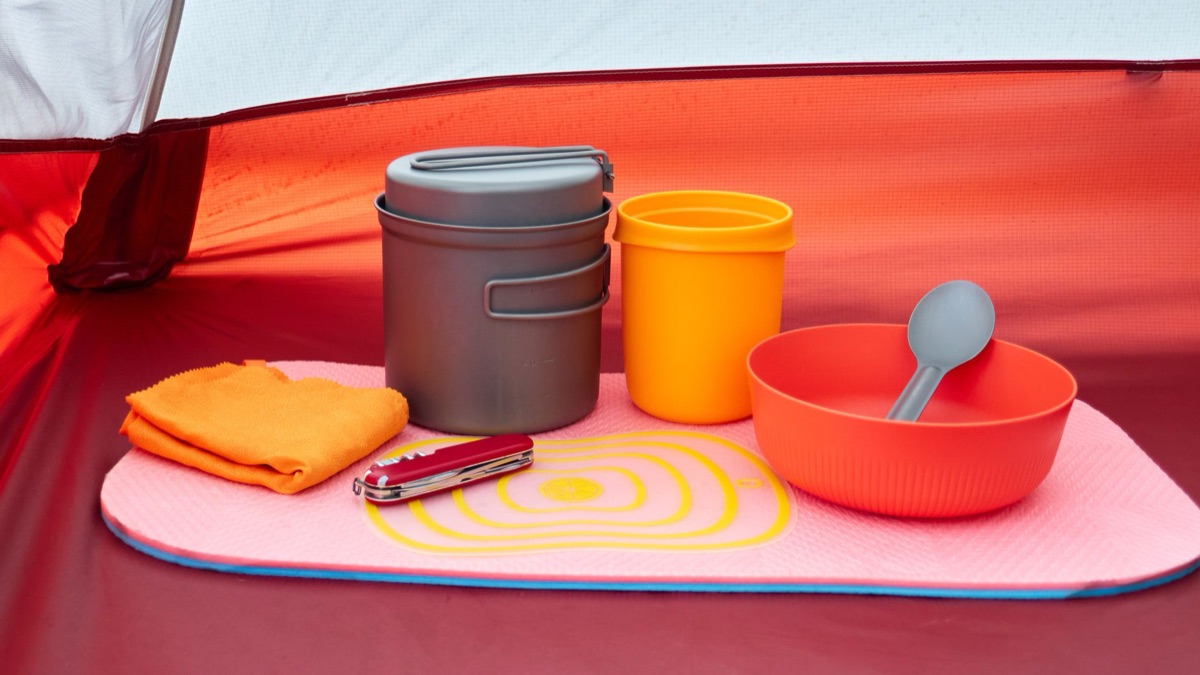
* Heat: A small, single-burner butane or propane stove is much easier for a beginner than managing a campfire. * Tools: A single multi-tool or a simple spork and a compact pot are all you need. * Food: Focus on calorie-dense, easy-to-prepare meals like dehydrated packs or simple wraps. For a 1-night/2-day trip, you want food that is light but satisfying.
Apparel and Personal Gear The "Layering System" is your best friend.
- Base Layer: Moisture-wicking fabric (avoid cotton!).
- Mid Layer: A fleece or light puffer jacket for warmth.
- Shell: A windbreaker or rain jacket.
* Lighting: A headlamp is superior to a flashlight because it keeps your hands free for tasks like cooking or setting up shelter. * Navigation: While a phone with GPS is convenient, always carry a physical map or tell someone your exact location.
The One-Bag Challenge: To test your minimalism, try to pack your entire weekend kit into one medium-sized backpack. If you can't fit it, you are likely bringing too much.
Once you have the basics, you might wonder how to actually enjoy the time you spend in the woods.
Beyond the Basics: How to Make Your First Trips Truly Enjoyable
The campfire crackles softly, casting a warm orange glow on a book held in steady hands. There is no loud music playing, no frantic searching for lost items—just the quiet rhythm of the woods.
For many, the transition from "camping" to "enjoying camping" happens when the gear becomes secondary to the atmosphere.
Solo vs. Group Dynamics If you are going with friends, setting achievable goals is key. Instead of aiming for a "grand expedition," make your goal "successful camp setup" or "cooking a hot meal without stress." Small wins build confidence. If you are alone, focus on the peace of solitude.
Sensory Immersion Minimalism allows for sensory immersion. When you aren't distracted by a heavy load, you can focus on the soundscape—the hoot of an owl or the rustle of a deer in the brush. Notice the smell of damp earth or the texture of a smooth river stone.
These are the things you remember, not the brand of your stove.
Low-Effort Activities Don't feel pressured to hike ten miles every day. Some of the best camping experiences come from low-effort activities: * Reading a book by the light of a headlamp. * Sketching a landscape in a small notebook. * Stargazing on a clear night.
Digital Detox Use your phone for its intended purpose—photos or emergency navigation—but avoid the "infinite scroll." Set your phone to airplane mode to prevent notifications from pulling you out of the natural environment.
But what happens when you want to move from a weekend hobbyist to a more experienced traveler?
Scaling Up: From "Fun" to "Skillful"
A seasoned hiker stands at a trailhead in the spring of 2026, checking a topographical map and adjusting the tension on a high-tech trekking pole. They move with a purpose that comes from years of trial and error.
Eventually, you may want to move beyond the basics. This is the transition from a casual hobbyist to a skillful outdoorsman.
The Progression Path Do not upgrade everything at once. If you find that your sleeping bag is too heavy, upgrade to a high-quality down bag. If you find you need more warmth, invest in a better sleeping pad. Let your actual experiences dictate your spending.
Skill Targets Once you are comfortable setting up a tent, start learning more advanced skills: * Fire Craft: Learning to build a fire using various methods. * Water Purification: Moving from bottled water to using filtration systems or tablets.
* Navigation: Learning to use a compass and topographical maps without a phone.
Budget vs. Quality In the beginning, cheap gear is fine. However, there is a point of diminishing returns. A high-quality, lightweight tent is a worthy investment because it makes every trip easier. A gold-plated titanium spork, however, is likely unnecessary overhead.
| Feature | Beginner Minimalist | Advanced Minimalist |
|---|---|---|
| Shelter | Basic Pop-up Tent | Lightweight Trekking Tent/Tarp |
| Cooking | Small Butane Stove | Ultralight Integrated Stove System |
| Sleep | Foam Pad & Synthetic Bag | Inflatable Pad & Down Bag |
| Navigation | Smartphone GPS | Map, Compass, & GPS Device |
As you grow, you will encounter obstacles that test your resolve.
Common Pitfalls to Avoid
A hiker stands in the rain in late 2025, looking frustrated as they realize their "waterproof" jacket is soaked through and their extra socks are also damp. They look at their heavy pack and realize they didn't plan for the sudden drop in temperature.
To stay safe and happy, avoid these common rookie mistakes:
* The "It Doesn't Exist" Syndrome: Just because you didn't pack it doesn't mean you won't need it. Forgetting bug spray, a lighter, or a trash bag can ruin a trip. Always pack a small "just in case" kit. * Misjudging Weather: Never assume the weather will stay the same. Always pack for the coldest, wettest version of your trip. The "one-size-fits-all" clothing mentality leads to hypothermia risks. * Over-Reliance on Rescue: While it is good to be prepared, do not go into the wilderness assuming someone will come save you from a simple mistake. Proper planning is your primary safety net. * Emotional Attachment to Failure: If your tent leaks or your stove fails, don't let it ruin your spirit. These are minor setbacks. Learn from them, and they become part of your "skill-building" story.
#




Comments 0