Knitting Basics: Your Guide to Flawless First Projects
"The rhythm of the needles is a heartbeat you can hold in your hands."
If you have ever stared at a skein of soft, colorful yarn and wondered if you could actually turn it into something useful, you are in the right place. Knitting is not just about making sweaters; it is about the quiet magic of turning a single string into a tangible piece of art.
* Knitting is a mindful activity that acts as active meditation. * Success is defined by your enjoyment, not by a perfect stitch count. * Starting with small, manageable projects builds the muscle memory you need. * Decide your path: "Fun Mode" for relaxation or "Skill Mode" for mastery.
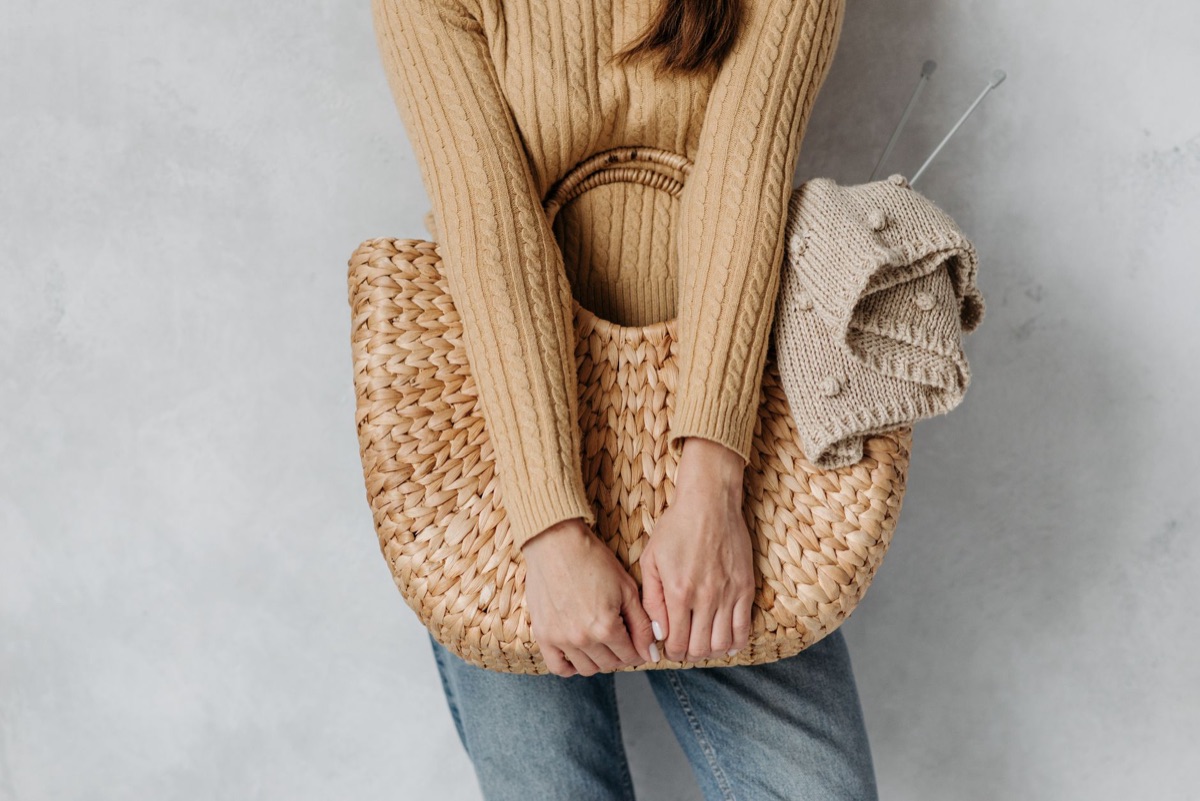
Why Start Knitting? Redefining the Hobby
The sun is setting on a Tuesday evening in late 2025, and you are sitting in a comfortable armchair with a cup of tea. Your hands are busy, moving in a rhythmic, repetitive motion that seems to quiet the noise in your head.
Knitting serves as a form of active meditation. It requires just enough focus to keep your mind from wandering to your to-do list, but it is repetitive enough to allow for mental decompression. This balance makes it a perfect escape from a loud, digital world.
There is also the profound satisfaction of the tangible reward. Unlike many modern tasks that result in nothing more than a digital file or a cleared inbox, knitting results in something you can touch, wear, or gift. You are literally building something from nothing.
While the final product is lovely, the true value lies in the journey itself. The process of learning a new stitch or mastering tension is a way to practice patience. It turns a simple piece of fiber into a testament to your own persistence.
But why do some people find it soothing while others find it frustrating?
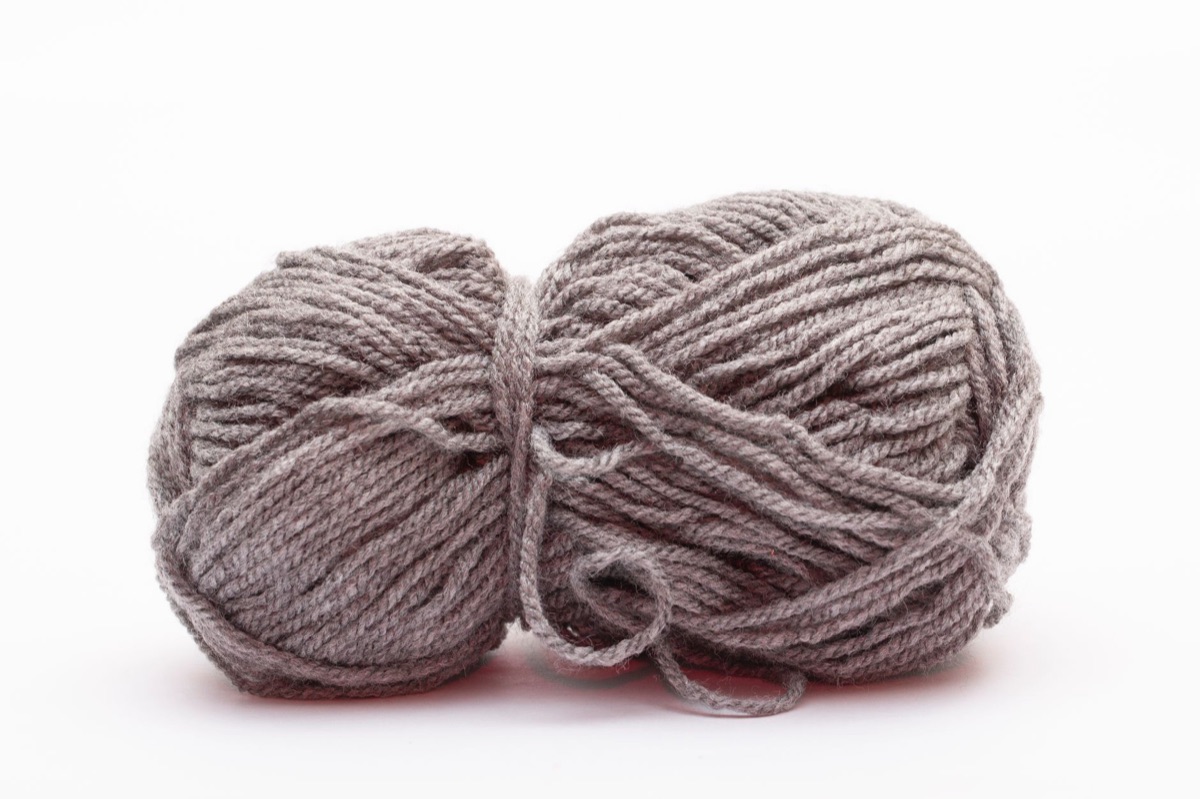
How do I go from absolute beginner to my first finish? You stand in the craft aisle of a local shop in the spring of 2026, overwhelmed by hundreds of colors and textures, wondering where to even begin. It feels like you need to be an expert just to buy your first ball of yarn.
The secret to a successful start is choosing an "easy win." Do not start with a heavy winter coat or a complex lace shawl. Instead, pick a project like a simple dishcloth or a basic scarf. These small projects allow you to see immediate results and build the confidence needed for larger tasks.
To navigate this, you must decide which mode you are in. "Fun Mode" is about low-pressure creativity—making something cozy without worrying about technical perfection. "Skill Mode" is for those who want to study the architecture of the stitch and eventually move toward advanced garment construction.
Your roadmap should always start with the basics: choosing a project that matches your current skill level. If you pick something too hard, you will quit; if you pick something too easy, you might get bored. Finding that sweet spot is the key to staying motivated.
However, even with a plan, you need the right tools to prevent total frustration.
What gear do I actually need and what can I skip? You open a package of new needles on a Friday morning, feeling the weight of the metal and the smoothness of the tips, wondering if you have everything required to succeed.
The most important thing to understand is that your tools are highly specialized. Needle diameters can range from tiny, specialized tools of 0.4 mm to much larger ones of 25 mm. For a beginner, you will likely stay in the middle of that range.
Here is a breakdown of common tools you might encounter:
| Tool Type | Description | Best Use Case |
|---|---|---|
| Straight Needles | Single needles, often 10–16 inches long. | Flat projects like scarves or dishcloths. |
| Circular Needles | Two needle ends connected by a flexible nylon strand. | Knitting in the round or large, wide pieces. |
| Double Pointed Needles | Needles with tapered ends at both sides. | Small items like socks or hats. |
While you might see extreme tools—like the 0.4 mm needles used for micro-knitting—you do not need them yet. For your first project, look for a medium-weight yarn and a needle diameter that matches the yarn's recommendation.
If you decide to move toward larger projects, you might transition to circular needles. These are typically 24 to 60 inches long. While the needles themselves have a set length, the flexibility of the cord allows you to knit pieces that are significantly wider than the needles themselves.
But once you have the gear, how do you actually move from a pile of yarn to a finished object?
Leveling Up: From Hobbyist to Artisan (the "Skill Mode")
You sit at your desk in your home office in 2026, a notebook full of diagrams beside you, carefully counting every loop to ensure your tension is exactly right.
Once you have mastered the basics, you can transition into "Skill Mode." This is where you move from simply "making things" to understanding the craft. This involves structured practice, such as practicing specific stitch patterns or learning how to manage complex tension.
In this stage, you might experiment with extreme scales. Some knitters work on a massive scale with giant needles, while others, like those using 0.4 mm needles, work on a microscopic scale.
Understanding how much a fabric can stretch—sometimes as much as 500% depending on the yarn and pattern—becomes vital for garment construction.
To grow as an artisan, follow these steps:
- Master Tension Control: Learn to keep your stitches consistent so your work doesn't look lopsided.
- Study Pattern Reading: Learn to translate written instructions into physical movements.
- Experiment with Fiber: Move beyond basic wool to silk, linen, or cotton to see how they behave.
- Join a Community: Find local knitting circles or online forums to share techniques and troubleshooting tips.
When you are learning, however, things will inevitably go wrong.
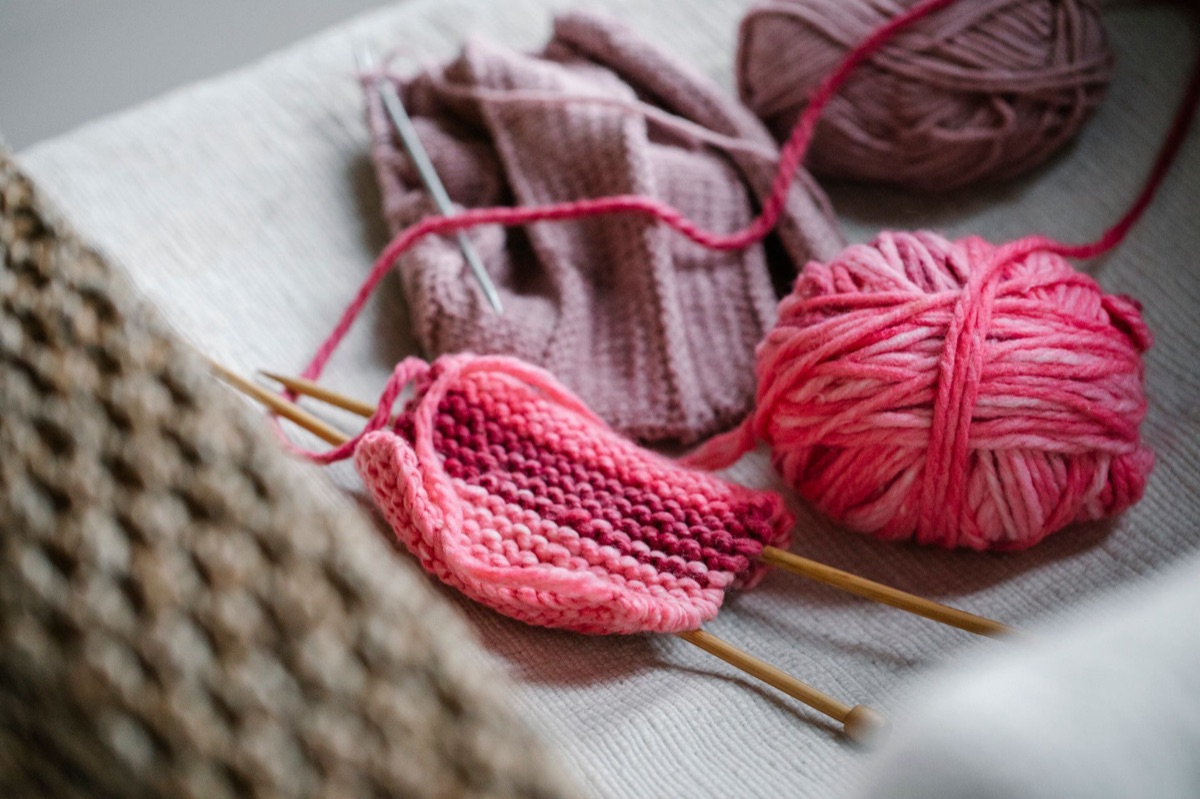
Troubleshooting & Mindset: When Things Go Wrong
You look down at your work on a quiet Sunday afternoon and realize there is a strange hole in the middle of your scarf, a silent reminder of a mistake made twenty minutes ago.
The "dropped stitch" is a common rite of passage. It can be frustrating, but it is also a great way to learn how the structure of knitting works. Most mistakes can be fixed with a crochet hook or a simple re-threading technique.
Accepting imperfection is the most important skill you will learn. In the beginning, your tension will be uneven, and your edges might be wobbly. This is not a failure; it is evidence that you are learning. A "good enough" scarf is a massive victory for a beginner.
Patience is your greatest tool. There will be days when you want to throw your needles across the room. When that happens, put the project away, walk away from the chair, and come back when your eyes are fresh. The yarn will still be there.
But what happens when you hit a plateau in your progress?
The Limits of Learning: When It Gets Tough
It is important to recognize that there are times when progress feels non-existent. You might hit a wall where a specific technique, like cabling or shaping, feels impossible to master. In these moments, it is easy to feel like you lack talent.
However, there is a limit to how much you can learn through sheer repetition alone. Sometimes, you need to step back and study the theory of why a stitch behaves a certain way. This is the trade-off of "Skill Mode": it requires more mental energy than "Fun Mode."
If you are purely looking for relaxation, pushing through a difficult pattern might actually defeat the purpose of your hobby. It is okay to recognize when a project is no longer serving your well-being and to set it aside.






Comments 0