Beginner soap making guide: Tips for 80-inch soap blocks
"The art of soap making is more than a hobby; it is a bridge between ancient tradition and modern creativity."
Starting a new craft requires patience and the right foundational knowledge. This beginner soap making guide provides the essential steps to move from curiosity to creating your first handcrafted bar.
You will learn how to prepare your workspace, follow basic procedures, and understand the historical significance of this craft through a simple, structured approach.
How do I start a beginner soap making guide?

At dawn in the quiet kitchen, you pull on heavy gloves to prepare for your first beginner soap making guide project.
A person stands in a quiet kitchen, carefully laying out a clean workspace and gathering essential supplies. Before touching any ingredients, you must establish a safe environment to prevent accidents and contamination.
This first step in the beginner soap making guide involves clearing a flat surface and gathering basic tools like scales, molds, and protective gear.
The process begins with understanding that different methods require different levels of expertise. For those just starting, choosing a method that balances ease of use with satisfying results is key.
This easy soap craft for newbies focuses on manageable techniques that do not require heavy industrial equipment to achieve success.
The goal is to create something functional while learning the chemistry behind the bubbles. By keeping the initial projects small, you can focus on mastering the texture and scent without wasting large amounts of material.
Begin by gathering essential safety gear, such as gloves and goggles, and sourcing high-quality oils and lye to ensure a successful first batch.
What are the simple soap making steps?
A student carefully measures oils and lye, noting the precise weight on a digital scale. Following specific, simple soap making steps ensures that the chemical reaction results in a safe, usable product rather than an unusable mess.
Accuracy in measurement is the most critical factor when working with oils and caustic agents.

To begin the process, follow these three essential stages:
- Prepare the workspace and safety gear, including gloves and eye protection, to handle ingredients safely. 2. Measure all oils and liquid ingredients precisely according to a tested recipe to ensure proper saponification. 3. Combine the ingredients slowly, stirring constantly to reach a consistent texture before pouring into molds.
After completing these stages, perform a final check by ensuring the mixture has reached the correct consistency before it is set in the mold. I remember my first attempt, where I realized that even a small error in measurement could change the entire hardness of the bar.
- Prepare your lye solution by carefully mixing sodium hydroxide into water.
- Melt your solid fats and mix them with your liquid oils.
- Combine the lye solution with the oils and stir until the mixture reaches a thick consistency.
Why is the history of soap making important?
A researcher looks through archives, tracing the lineage of traditional soap production through centuries of human history. Understanding the cultural weight of this craft adds a layer of depth to the hobby.
For instance, in December 2024, the "Tradition of Nabulsi soap making in Palestine" was recognized by UNESCO as an Intangible cultural heritage "in need of urgent safeguarding."
This recognition highlights how soap making is not just a utility but a vital part of human identity and tradition. While modern hobbyists use different tools, the core principles of using oils and natural elements remain deeply connected to these historical roots.
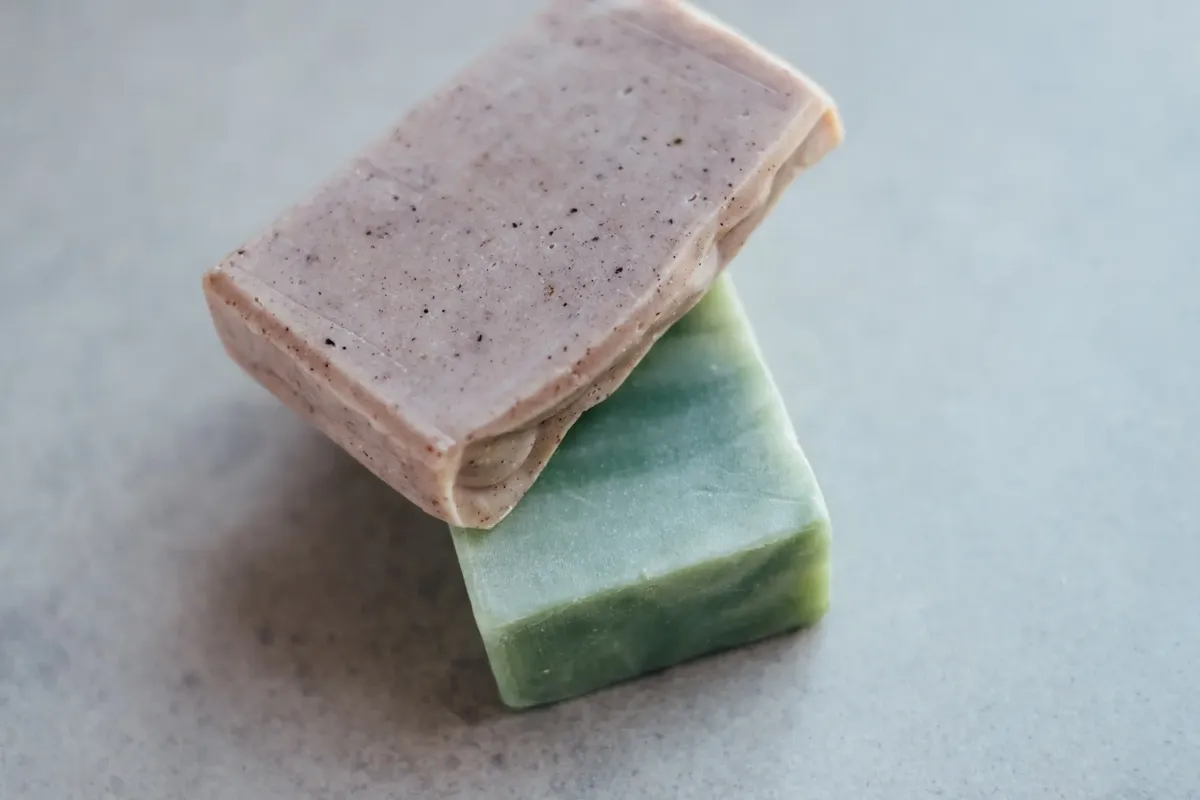
Learning these traditions helps crafters appreciate the effort required to maintain such delicate processes. It turns a simple task into a way of honoring global heritage.
Understanding traditional methods provides a foundation for modern chemistry and helps crafters appreciate the evolution of hygiene practices.
How can I manage soap art for beginners?
An artist carefully pours colored liquid into a mold, creating a beautiful swirl of patterns. Engaging in soap art for beginners allows you to experiment with colors and shapes without needing advanced professional skills.
You can use natural clays or mica powders to add visual interest to your batches.
When you are working with visual elements, remember that the chemistry of the soap can affect how colors look once cured. Using gentle swirls or layered pours is a great way to practice design without overwhelming the structure of the bar.
The focus should remain on the balance between aesthetic beauty and the functional quality of the soap. As you practice, you will find that the most beautiful bars often come from the most controlled techniques.
Start with simple designs like swirls or layered colors before attempting more complex botanical or sculptural techniques.
How do I handle the technical aspects of soap making?
A craftsman adjusts a scale to ensure a perfect 80-inch length of soap blocks is achieved in a traditional setting, though modern hobbyists work with much smaller dimensions. Dealing with the technical side of the craft requires attention to detail and an understanding of proportions.
| Aspect | Beginner Focus | Advanced Focus |
|---|---|---|
| Measurement | Basic weight accuracy | Complex oil blends |
| Design | Simple shapes and colors | Intricate layered art |
I found that moving from simple shapes to more complex designs was the most rewarding part of my early learning process. This comparison shows that while the tools change, the necessity of precision remains constant.
Master the use of a digital scale to measure ingredients by weight, as precision is vital for consistent chemical reactions.
Related
- Baking Success: Golden Recipes Beyond the Oven for Beginners
- 60-Second Video: Capture Your Hobby's True Story Now
What cautions should a beginner keep in mind during soap making?
- Always wear protective gear, including gloves and eye protection, when handling caustic agents during soap making. 2. Ensure the workspace is completely clear before beginning the soap making process to prevent contamination. 3. Remember that even a small error in measurement during soap making can alter the final hardness of the bar.
The preparation phase of soap making demands diligence because the chemical reaction involves strong substances. Following the established safety protocols is paramount when working with lye and oils. This caution ensures that the initial stages of soap making proceed without incident.
Always work in a well-ventilated area and handle lye with extreme care to avoid chemical burns or irritation.
How does the history inform modern soap making?
The historical context of soap making demonstrates that the craft has always been tied to human necessity and culture. The core principles of using oils and natural elements persist from ancient traditions into contemporary soap making.
This connection shows that modern soap making is an evolution of a very old practice.
Understanding the cultural weight associated with soap making adds depth to the hobby beyond simple creation. The dedication required to maintain delicate historical processes is something modern crafters can appreciate.
This appreciation elevates the simple act of soap making into a form of cultural engagement.
The comparison between historical methods and modern hobbyist techniques illustrates the enduring nature of the craft. While the tools employed in modern soap making are different, the fundamental chemistry remains the same.
This continuity links the contemporary artisan to past practitioners of soap making.
Wikipedia: Nabulsi soap Based on the retained excerpt mentioning UNESCO: In December 2024, "Tradition of Nabulsi soap making in Palestine" was recognized by UNESCO as an Intangible cultural heritage "in need of urgent safeguarding".






Comments 0