Drone 5 minutes flight time Beginner drone flying tips tips
"The average flight time for a drone is about 20 minutes."
Learning beginner drone flying tips involves understanding the physical limitations of flight duration and environmental factors that impact stability. This guide is for novice pilots looking to master outdoor drone basics by managing flight time and observing biological parallels in nature.
You should focus on battery management and environmental awareness, but note that these principles are based on general drone flight characteristics.
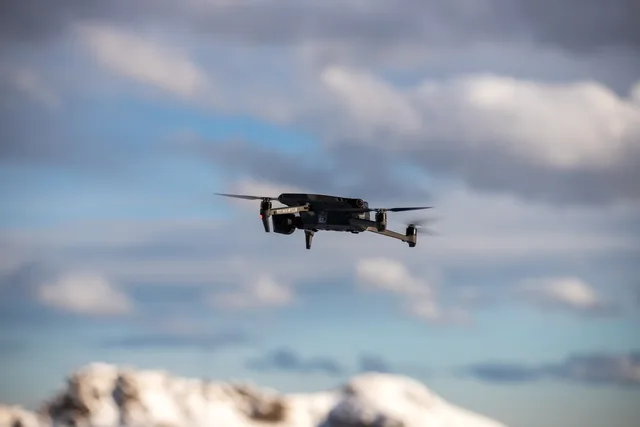
* Mastering average flight durations * Understanding environmental navigation * Managing flight energy and refueling needs * Recognizing biological drone behaviors
How do you master beginner drone flying tips?
At sunset, you stand in the meadow and grip the controller tight to master beginner drone flying tips with your drone.
A pilot stands in a wide, grassy field, gripping the remote controller while the wind rustles the nearby trees. To master beginner drone flying tips, you must first learn to respect the limits of your equipment's power. Most pilots find that the average flight time for a drone is about 20 minutes.
Navigating through the air requires constant attention to the battery indicator on your screen. You cannot simply fly indefinitely; you must plan your routes to ensure you have enough power to return to your starting point.
This foundational skill prevents lost equipment and helps you build confidence in your first-time drone control.
- Practice hovering in a stationary position to build muscle memory.
- Master basic directional movements like forward, backward, left, and right.
- Learn to manage altitude changes smoothly to avoid sudden drops or climbs.
What is the secret to safe nature drone flying?
The sun dips low over a mountain ridge as you watch the small craft hover steadily above the treeline. For safe nature drone flying, you must account for how environmental factors influence your flight path.
While human-made drones rely on electronic signals, natural drones, such as bees, use magnetite to assist with orientation.
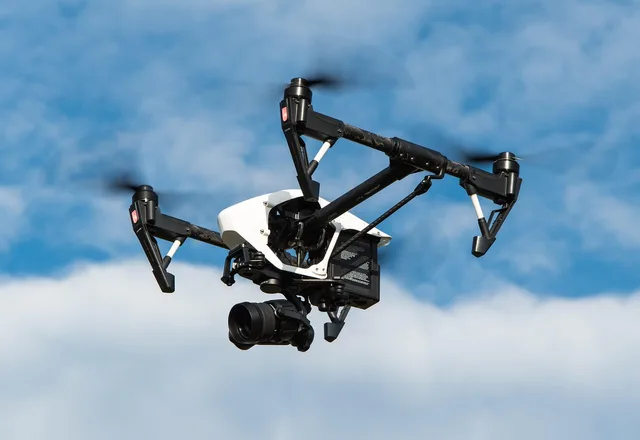
Some studies have suggested that magnetic orientation could play a role, since drones older than 6 days contain cells in the abdomen that are rich in magnetite. While you use GPS and sensors, understanding that orientation is a constant challenge in the wild helps you stay alert.
Always watch for sudden gusts that might disrupt your steady hovering.
Always maintain a visual line of sight with your aircraft and stay clear of nesting birds or wildlife habitats to prevent disturbing the local ecosystem.
How can you improve your learning drone skills?
You sit on a wooden bench at noon, feeling the rough grain against your skin while inspecting the drone.
You sit on a wooden bench, checking the propellers for any debris before the next takeoff. Improving your learning drone skills involves repetitive practice of takeoff, hovering, and landing.
Following a structured approach ensures you do not overwhelm yourself during your first few sessions in the wilderness.
- Select a wide-open area free of tall obstacles or wires. 2. Practice hovering at a fixed altitude for several minutes to test stability. 3. Execute slow, controlled movements in a straight line to gauge response.
After completing these steps, perform a final check of your landing zone to ensure it is clear of uneven ground. I found that focusing on these small, controlled movements made the transition to more complex maneuvers much smoother.
Consistent practice in controlled environments and reviewing your flight footage can help you identify and correct technical errors.
What are the basics of outdoor drone basics?
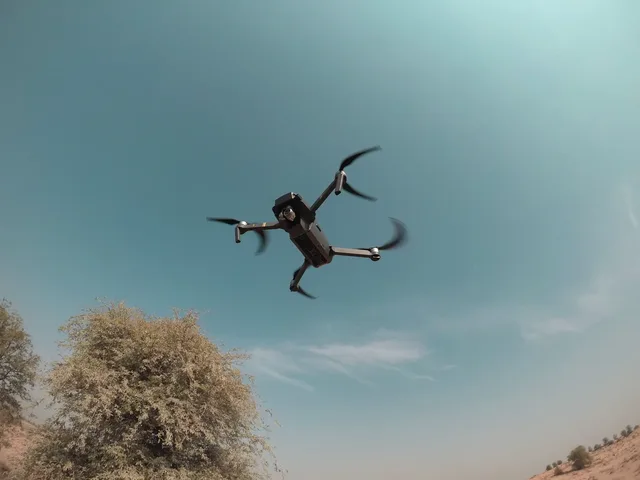
The morning dew clings to the grass as you prepare your gear near a quiet forest edge. Mastering outdoor drone basics requires understanding the relationship between activity and energy consumption.
Just as a biological drone must return to a colony to refuel with honey, your electronic drone requires a scheduled return to its charging station.
A drone's mating flight averages 20–25 minutes, before he must return to the colony to refuel with honey. This biological rhythm mirrors the necessity for human pilots to monitor their own power levels.
You must treat your battery life with the same respect a natural drone treats its energy reserves to avoid a crash.
Before taking off, check local weather conditions for wind speeds and ensure you are flying in an area that complies with airspace regulations.
How does flight time compare to life expectancy?
You look at the flight logs on your tablet, comparing the minutes spent in the air to the total usage. Understanding the difference between a single flight and the overall lifespan of the device is crucial for maintenance.
This comparison helps you manage your gear effectively over several months of use.
| Metric | Duration/Timeframe |
|---|---|
| Average Flight Time | About 20 minutes |
| Life Expectancy | About 90 days |
I compare these figures to determine when I need to replace my batteries or upgrade my hardware. Monitoring these two distinct timelines ensures that your equipment remains reliable throughout its operational life.
What are the limits of drone flight?
A sudden shadow passes over the landing pad as you prepare to power down for the day. It is important to recognize that drone capabilities are not infinite.
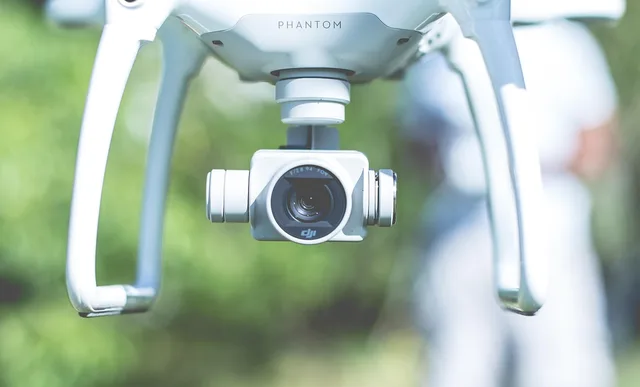
Certain biological processes, such as mating, are extremely brief, with mating between a single drone and the queen lasting less than 5 seconds, and it is often completed within 1–2 seconds.
While these biological specifics do not apply to electronic flight, they highlight the extreme variability in how drones operate in nature. It is not established that electronic drones can mimic these specific biological mating speeds or behaviors.
The primary limitation is that flight performance is strictly dictated by the specific battery and hardware constraints of your individual model.
Flight is restricted by battery capacity, signal range, weather conditions, and the physical obstacles present in the environment.
Related
- Drone tips: Budget drone tips for 90-day life cycle guide
- Beginner fishing gear guide: How to choose stable equipment
What cautions should a pilot observe regarding flight duration?
The average flight time for a drone dictates a necessary caution regarding mission planning. Pilots must consider the return journey time when calculating the total operational duration. This consideration prevents the equipment from becoming stranded when the battery power diminishes.
A pilot should always factor in a safety margin beyond the expected average flight time.
- Always budget for extra time to account for unexpected wind conditions affecting the average flight. 2. Monitor the battery indicator continuously during the flight to gauge remaining power effectively. 3. Plan routes that minimize travel distance to ensure sufficient power for a safe return.
How does environmental awareness affect the average flight?
Environmental awareness is critical because external forces directly influence the energy expenditure during the average flight. Gusts of wind, for example, force the drone motors to work harder to maintain a stable position.
This increased workload consumes battery power faster than anticipated under calm conditions.
The condition of the air surrounding the drone requires constant assessment by the pilot. Turbulence requires more energy to counteract than steady air does. Therefore, the actual flight duration can be significantly shorter than the average flight time when conditions are adverse.
This comparison highlights the variability beyond the simple battery capacity.
When assessing the environment, pilots should compare the current wind speed against the drone's operational tolerance. If the wind exceeds the drone's stable threshold, the pilot must abort the flight. This caution protects the equipment from excessive strain during the average flight.





Comments 0