Beginner fishing gear guide: How to choose stable equipment
"Fishing is a complex global activity that spans recreational, subsistence, and commercial sectors, involving everything from the initial catch to the final marketing of the product."
To start fishing reliably, beginners should focus on selecting versatile, durable gear that matches their intended environment rather than buying expensive, specialized equipment immediately.
A stable fishing equipment choice involves prioritizing a reliable rod, reel, and line combination that can handle various local species. This guide helps you navigate initial purchases, though it does not cover specific brand recommendations or advanced technical maintenance.
* Prioritize multi-purpose rods and reels. * Select line strength based on target species. * Avoid overly specialized gear in the first season. * Understand the scale of the global fishing industry.
How to choose a beginner fishing gear guide?
At dawn, a person stands on the salt-sprayed pier and clutches a beginner fishing gear guide while feeling the cold wind.
A person stands on a wooden pier, feeling the morning mist on their face while eyeing a tackle shop window. Selecting the right tools requires understanding that the industry is vast, ranging from small-scale recreational setups to massive commercial fleets.
The scope of fishing is incredibly broad. This means your personal gear is part of a massive global network.
When looking for a beginner fishing gear guide, focus on the utility of the tools. Instead of chasing professional-grade setups, look for equipment that allows for mistakes. You want gear that is forgiving enough to handle improper casting while remaining strong enough to land a decent catch.
However, these guides may be less effective if they do not account for your specific local environment.
What tackle should I get as a new angler?
An angler sits on a folding chair, carefully threading a thin line through the eye of a small hook. Finding the right tackle for new anglers means balancing cost with functionality to ensure the experience remains enjoyable.
The goal is to avoid the frustration of broken equipment. New users often struggle with tension and knot integrity, so choosing a medium-action rod can provide the necessary flexibility. This helps absorb the shock of a sudden tug from a fish.
A reliable setup should include a spinning reel, which is generally easier to manage than baitcasting models for those just starting. By focusing on these fundamentals, you build a foundation that supports future growth in the hobby.
However, the effectiveness of specific tackle is limited when fishing in extreme weather conditions.
How can I find reliable fishing gear?
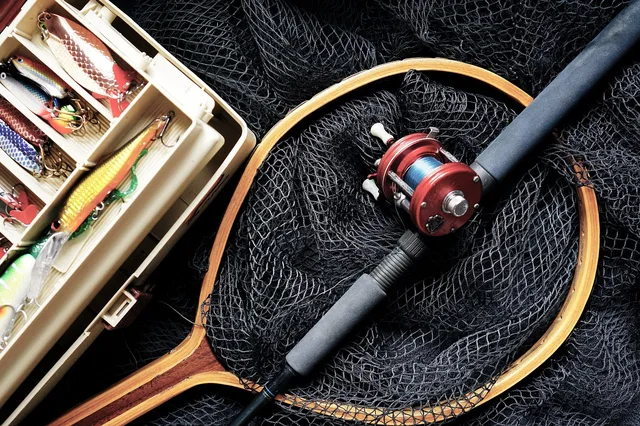
At noon, a fisherman stands by the salty pier and grips a heavy reel to inspect the beginner gear. A fisherman adjusts the tension on a reel, listening to the soft click as the line moves through the guides. Making a stable fishing equipment choice is about durability and environmental suitability.
If you plan to fish in saltwater, your gear must resist corrosion. If you are sticking to freshwater lakes, you can opt for lighter, more sensitive equipment. Stability in your gear means it will not fail during the first significant struggle with a fish.
I remember my first time selecting a rod; I spent too much time worrying about the weight and not enough about the material's resilience. I eventually learned that a sturdy graphite or fiberglass composite is much more forgiving for a novice.
However, finding a single set of gear that works for every water type is often impossible.
How to buy fishing gear first?
A shopper walks through the aisles of a local sporting goods store, comparing the feel of different rod blanks. Learning how to buy fishing gear first requires a methodical approach to prevent overspending on unnecessary accessories.
- Identify your primary fishing location, such as a local pond or a coastal pier. 2. Purchase a pre-spooled reel to ensure the line is wound correctly from the start. 3. Select a versatile lure or bait type that works for multiple species in your area.
After completing these steps, perform a final check by casting the rod in an open area to ensure the reel functions smoothly and the line does not tangle easily. This prevents mid-trip equipment failures.
- Determine your target species.
- Select a versatile rod and reel combo.
- Purchase essential terminal tackle.
I find that the second step is the most important part of this process.
What are the challenges of starting fishing with proper tools?
A researcher looks at a digital map showing global vessel distributions, noting the heavy concentration in specific regions. Starting fishing with proper tools involves recognizing the environmental and industrial context of the sport.
According to the FAO, in 2004 there were four million commercial fishing vessels.
The fishing industry is massive and highly concentrated.
The world fishing fleet was estimated at about 5 million vessels in 2024, operating mainly in Asia (72% of the total), followed by Africa (18%), Latin America and the Caribbean (6%), Northern America and Europe (2% each), and Oceania (less than 1%).
While most beginners focus on their local pond, it is worth noting that gear loss is a significant global issue. It has been estimated that global fishing gear losses each year include 5.7% of all fishing nets, 8.6% of all traps and 29% of all lines used.
| Gear Type | Estimated Annual Loss Rate |
|---|---|
| Fishing Nets | 5.7% |
| Fishing Lines | 29% |
I find that being mindful of gear management helps prevent the accidental loss of equipment in the water.
However, even with the right tools, success is not guaranteed for every novice.
Related
- Easy shared camping tips: How to try shared camping best
- Cheap stargazing guide: How to start with 50,000 won
What considerations should a beginner keep in mind regarding equipment longevity?
- Assess the intended fishing environment before committing to a purchase. 2. Compare the durability of different materials, such as graphite versus fiberglass composite. 3. Remember that the initial gear selection must support the long-term enjoyment of the complex activity.
The resilience of the rod material directly influences how well the equipment manages unexpected strain during a fight with a fish. A beginner must understand that the initial investment should favor longevity over immediate, high-end performance.
This caution applies whether the fishing takes place in freshwater or saltwater settings.
However, the lifespan of your gear will be significantly reduced if it is not cleaned after saltwater use.
How does the global scale affect individual gear choices?
The sheer magnitude of the global fishing industry necessitates a certain level of caution regarding gear management. Because the industry is so complex, the loss of equipment is a measurable worldwide problem.
Recognizing this context helps the novice understand the importance of securing their own tackle.
The high rate of line loss underscores the need for careful handling of all components. Since the sector encompasses commercial operations alongside recreational pursuits, the environmental impact of lost gear is a factor to consider.
A mindful angler helps mitigate this global issue through diligent care.
When making a stable fishing equipment choice, remember that the recreational activity contributes to the overall scope of the complex global fishing enterprise. Therefore, treating your gear with respect is a practical application of industry awareness.





Comments 0