Beginner creative leisure plan: How to find joy
"Creativity is not a destination to reach, but a rhythm to maintain through play."
What does a Poganianer leisure routine look like?
At dawn, you sit at a wooden desk and feel the warmth of the sun as a beginner exploring new rhythms.
You sit at a wooden desk, staring at a blank sketchbook while the morning sun hits the paper. A Poganianer leisure routine is a dedicated period of time where you engage in making things to foster mental clarity and joy.

It is not about professional output, but rather about the value of play creation.
This activity focuses on the sensory experience of using tools and the mental flow of bringing an idea to life. By treating leisure as a creative playground, you avoid the burnout often associated with high-stakes skill acquisition. You are simply exploring the potential of your hands and mind.
The core of this practice lies in the distinction between "doing it well" and "doing it fun." While skill improves over time, the primary goal is to enjoy the act of creation itself. This mindset allows you to experiment without the fear of failure.
How to plan creative fun? Beginner creative leisure plan
You walk through a local craft supply store, touching the texture of various materials without a rigid list. Planning your leisure requires a strategy for hobby design that balances novelty with accessibility. You need to decide whether you want a solitary pursuit or something to share with others.
To begin, identify a medium that excites you, such as sketching, woodworking, or digital collage. Once you pick a direction, establish a small, manageable environment. This might be a specific corner of your living room or a dedicated kit that stays ready for use.
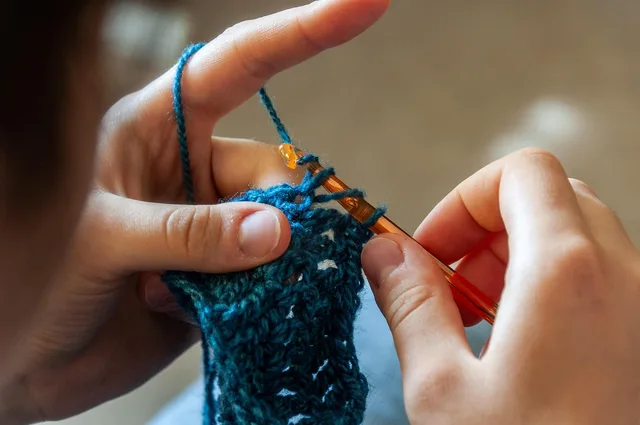
A beginner creative leisure plan should focus on low-stakes experimentation. Instead of committing to a massive project, aim for small, daily interactions with your chosen craft. This prevents the hobby from feeling like a second job.
How can I follow systematic creative leisure steps?
You clear your workspace, laying out a single pen and a small notepad on the table. Following a structured approach helps prevent the paralysis of choice when you sit down to create. By using systematic creative leisure steps, you turn a vague intention into a repeatable habit.
- Select a single, low-pressure task that can be completed in fifteen minutes. 2. Set a timer to create a sense of playful urgency without long-term commitment. 3. Document the process through a simple sketch or a short note about what felt interesting.
I found that checking my progress through these small steps made the transition from work to play much smoother. After completing the third step, perform a final check to see if the activity felt restorative rather than draining.
Designing a fun project
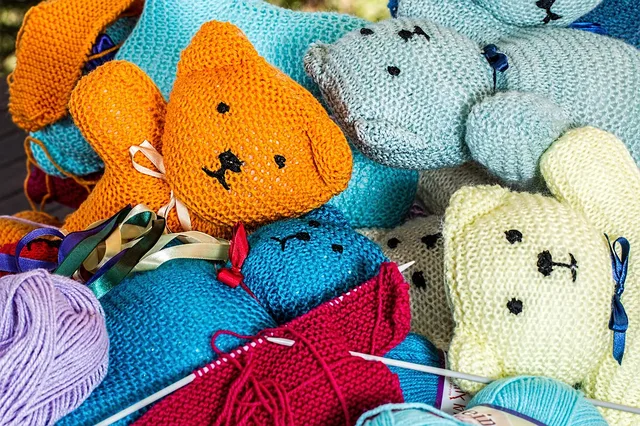
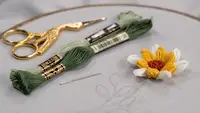
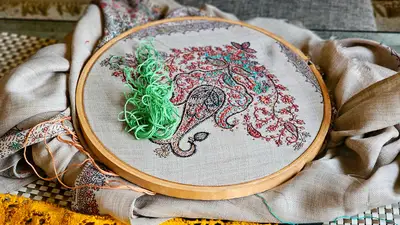
You gather colorful threads and various fabrics, arranging them on a bright tabletop. Designing fun projects involves setting "micro-goals" that celebrate the act of making rather than the final result. This approach helps you maintain interest even when technical difficulties arise.
| Approach | Focus | Goal |
|---|---|---|
| Skill-Based | Technical Accuracy | Mastery of Technique |
| Leisure-Based | Sensory Enjoyment | Creative Exploration |
When you focus on leisure-based creation, the objective is simply to see what happens when you combine two elements. This prevents the frustration that comes from comparing your beginner work to professional standards.
The value of play creation
You watch the ink dry on a page, feeling a quiet sense of accomplishment as the afternoon fades. The value of play creation is found in the mental decompression it provides. It offers a way to reclaim agency over your time and your imagination.
Engaging in leisure for making things serves as a counterweight to the structured demands of professional life. It allows for "productive wandering," where the mind explores paths that have no commercial value. This freedom is essential for long-term mental well-being.
Some people might find that a specific medium becomes too difficult if they lack the right tools. For instance, certain high-end materials require specific environments to be used effectively, which may limit the spontaneity of the routine.
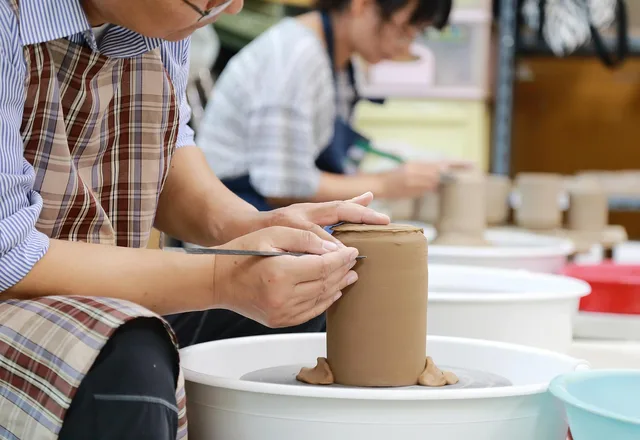
- Starting a Poganianer leisure routine is for beginners who want to transform idle time into meaningful creative expression through structured play.
- To succeed, you must separate the joy of making from the pressure of mastery, follow a steady roadmap for hobby design, and accept that not every project will be a masterpiece.
- Key takeaways include prioritizing the process over the product, establishing a low-pressure environment, and using systematic creative leisure steps to maintain momentum.
The same subject is also called Start creative hobby routine.
The same subject is also called Design fun projects.
Related
- Knitting fun and basics: How to solve problems through craft
- Embroidery tips for fun embroidery guide for beginners
When does the process outweigh the product?
- The process outweighs the product when you consciously choose to treat leisure as a creative playground. 2. This choice means prioritizing the sensory experience of using tools over achieving a polished outcome. 3. Accepting that not every project will be a masterpiece is a condition of this mindset.
When you prioritize the process, the fear of failure diminishes because the immediate reward is the engagement itself. This contrasts sharply with the pressure of mastery, which often turns play into performance.
Remembering that creativity is not a destination to reach helps solidify this focus on the journey.
What cautions should a beginner observe?
- Beginners must separate the joy of making from the pressure of mastery to maintain momentum. 2. A caution exists regarding high-end materials, which may limit spontaneity if the required environment is unavailable. 3. One must accept that the goal is enjoyment, not necessarily a perfect final product.
This caution reminds the participant that the tools themselves can impose conditions on the routine. If the materials demand a level of technical accuracy that exceeds the beginner's current skill, the routine risks becoming draining rather than restorative.
This reinforces the need for low-stakes experimentation.
The systematic approach helps mitigate the risk of becoming overly attached to the initial creative destination. By focusing on small, repeatable steps, the participant avoids the trap of needing one grand, perfect result to validate the effort.




Comments 0