Drone flight risks tips: Following local aviation guidelines
"The sky is no longer a private sanctuary, as unmanned systems move from specialized tools to ubiquitous presence."
This guide covers the dangers of autonomous attacks, geopolitical restrictions on hardware, and the importance of following local aviation guidelines.
* Geopolitical and regulatory bans on specific manufacturers. * Risks of autonomous weapon systems in conflict zones. * Security concerns regarding foreign-made hardware. * Technical limitations of micro-scale unmanned systems.
What are my biggest drone flight risks?
A pilot stares at a small screen, watching a drone hover over a dense forest, unaware of the shifting wind. Navigating these environments requires an understanding of drone flight risks to prevent accidents or interference with sensitive areas.

According to a report from the UN Security Council's Panel of Experts on Libya, published in March 2021, a Kargu 2 drone hunted down and attacked a human target in Libya in 2020.
This illustrates how autonomous capabilities can escalate from surveillance to active engagement.
Beyond physical combat, users face regulatory hurdles. For example, the US Interior Department grounded its fleet of DJI drones in 2020, while the Justice Department prohibited the use of federal funds for the purchase of DJI and other foreign-made UAVs.
These actions highlight the security-based risks associated with specific manufacturers.
Common risks include mid-air collisions with birds or other aircraft, loss of signal due to electromagnetic interference, and battery failure causing sudden descents.
How can I avoid drone danger?
A technician carefully inspects a propeller, ensuring no cracks exist before a scheduled flight. To avoid drone danger, operators must stay informed about which hardware is permitted in their specific jurisdiction or organization.
Many agencies now prioritize domestic or vetted equipment to mitigate espionage or data leaks. This shift is driven by concerns over foreign-made UAVs.
If you are operating within a government or high-security environment, checking the manufacturer's origin is a vital step in your pre-flight routine.
Following these best drone safety practices involves checking local flight laws and manufacturer restrictions. You must ensure your equipment is not subject to sudden grounding orders like those seen in federal agencies. Staying compliant helps you maintain a safe and legal operational status.
Maintain a clear line of sight at all times and stay away from crowded areas or restricted airspace to minimize potential harm to bystanders.
How can I fly my drone safely?
An operator stands in an open field, checking the signal strength on a handheld controller before takeoff. Implementing safe drone usage requires a disciplined approach to both hardware management and situational awareness.
To ensure your operations remain secure, follow these three steps: 1. Verify the manufacturer's compliance with local government regulations to avoid sudden grounding. 2. Monitor the surroundings for other aircraft to prevent mid-air collisions. 3.

Test the communication link frequently to ensure the control signal remains stable.
After completing these, perform a final check of the battery levels and local weather conditions. I found that double-checking the manufacturer's origin saved me from unexpected regulatory confusion during a field test.
Always perform a pre-flight inspection of the propellers and motors to ensure the hardware is in good working condition before takeoff.
How do I implement preventing drone accidents?
A researcher adjusts a tethered sensor, preparing to launch a miniature device from a laboratory bench. Effective preventing drone accidents strategies depend on understanding the specific scale and power requirements of your equipment.
For those using specialized technology, such as sub-1g microUAVs inspired by flies, the risks change. These tiny units often rely on a power tether to function, which introduces a different set of physical entanglement hazards.
Understanding these unique constraints is essential for maintaining flight stability.
| Feature | MicroUAV (Fly-inspired) | Atmospheric Satellite |
|---|---|---|
| Power Source | Power Tether | Solar-powered |
| Primary Constraint | Vertical Surface Landing | High Altitude (20 km+) |
I compared these different scales of flight to better understand how power delivery affects maneuverability.
- Check local weather forecasts for high winds. 2. Verify the GPS signal strength. 3. Calibrate the compass to ensure stable flight control.
What is the scope of drone technology?
A logistics coordinator watches a line of drones take off, each carrying a critical medical payload. Understanding drone risks also means recognizing the incredible versatility these machines have achieved in humanitarian sectors.
According to The International Civil Aviation Organization, the organization began exploring the use of drone technology as far back as 2005, which resulted in a 2011 report.
In partnership with the Ghana Ministry of Health, Zipline drones delivered thousands of COVID-19 vaccine vials in Ghana during 2020 and 2021. This shows that when used correctly, the technology is a life-saving tool rather than just a risk factor.
However, the technology is not applicable to every scenario. For instance, sub-1g microUAVs are limited by their need for a power tether, meaning they cannot operate as free-flying long-distance agents without that connection.
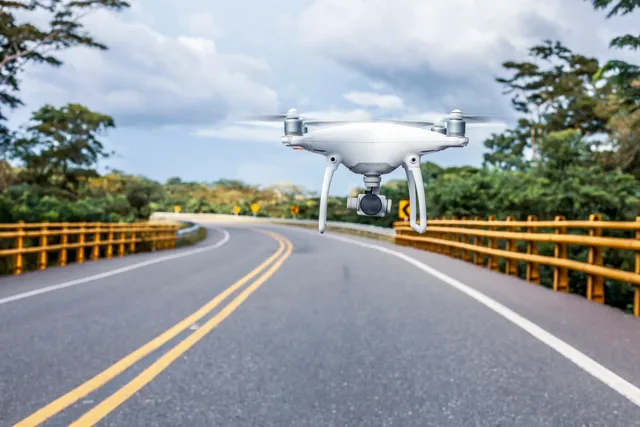
Drone technology spans various industries, including aerial photography, agricultural monitoring, package delivery, and search and rescue operations.
- Drone flight risks involve navigating complex security, regulatory, and physical hazards that can lead to hardware loss or legal repercussions.
- You should understand that while drones offer delivery benefits, they also carry significant risks regarding data security and physical safety.
- The most severe danger involves the misuse of technology in combat.
The subject here is Drone flight risks.
The same subject is also called Drone safety tips.
The same subject is also called Drone hazard guide.
Related
- Drone flying near pool rules: Best tips for hobbyists guide
- Camping leisure routine guide tips for outdoor enjoyment
Are there conditions that make drone risks longer?
- The regulatory landscape presents a longer set of hurdles when operating across international borders, as geopolitical restrictions on hardware are subject to varying national laws. 2. The physical hazards increase in scope when systems move from specialized tools to ubiquitous presence, demanding a longer assessment of potential interference.
When considering the longer-term implications, the security concerns regarding foreign-made hardware become more pronounced because of the potential for data leakage across different jurisdictions. This necessitates a longer review of supply chain integrity for any operation.
Operating in a congested airspace means the potential for collisions is longer to manage, requiring more rigorous adherence to local aviation guidelines. The pilot must account for a longer flight profile when assessing wind shifts in dense environments.
Extreme temperatures and heavy precipitation can significantly reduce battery life and compromise the structural integrity of the drone.




Comments 0