Drone flying near pool rules: Best tips for hobbyists guide
"The sky above the water is a shared space, where the hum of technology meets the quiet ripple of the pool."
Operating a drone near a swimming pool requires strict adherence to local privacy laws and awareness of federal hardware restrictions.
This guide is for hobbyists wanting to capture poolside views while avoiding legal pitfalls, such as using prohibited foreign-made UAVs or violating airspace regulations.
You must be aware that federal agencies have specific bans on certain equipment, and flight times are often limited by battery capacity.
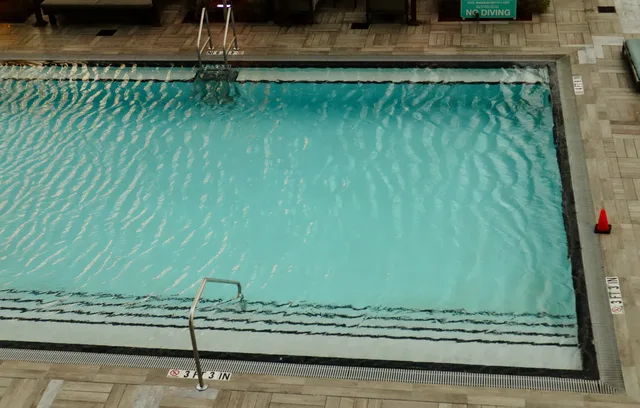
* Observe federal restrictions on specific drone manufacturers. * Respect the privacy of swimmers and bystanders. * Monitor battery life to prevent mid-air power loss. * Check local airspace for restricted zones near water.
How to manage drone flying near pool rules?
At noon, I stand on the hot concrete deck and grip the controller tightly while watching the drone hover over the water.
A person stands on a concrete deck, holding a remote controller while watching a small device hover over the blue water. Navigating drone flying near pool rules involves understanding both the physical environment and the legal landscape of unmanned aerial vehicles.
You must ensure that your flight path does not intrude upon the private space of others using the facility.
If you are operating in a government-regulated area, these manufacturer-specific restrictions are critical to follow.
- Check local municipal ordinances regarding drone flight over private property.
- Confirm that your flight does not violate any homeowner association restrictions.
- Verify that you are not infringing on the privacy of neighbors overlooking the pool area.
How can I fly my drone safely near a pool?
At noon, I grip the controller tightly on the hot concrete deck while watching the drone hover over the water. The sun reflects off the surface of the water as a pilot adjusts the throttle to keep the craft steady. Implementing safe drone use by pool means maintaining a safe distance from the water's surface and any swimmers.
Sudden gusts of wind near large bodies of water or open pools can destabilize a lightweight craft quickly.
To ensure a safe experience, follow these steps:
- Check the local weather and wind speeds before takeoff. 2. Establish a clear takeoff and landing zone away from the pool edge. 3. Maintain a visual line of sight at all times to avoid collisions.
I once watched a drone struggle to maintain stability near a splashing pool, which reminded me to always prioritize a steady hover. Always perform a final check of your flight area before beginning your session.
In this sequence, the second step is the longest.
Is there a guide for flying drones by the pool?
A photographer sets up a tripod on the grass next to a swimming area, aiming the camera upward. Following a poolside drone flight guide requires preparation for the specific challenges of aquatic environments.
Water can create visual distortions, and the high glare from the sun can make it difficult to see the drone's position.
Effective poolside drone flight guide strategies include:
* Using high-contrast propellers for better visibility. * Setting a high return-to-home altitude to clear any nearby structures. * Avoiding flying directly over people to prevent accidents.
What is the importance of drone safety around water?
The drone descends slowly toward a wooden dock, its motors whirring softly in the afternoon air. Prioritizing drone safety around water is essential because a single mechanical failure or battery depletion can result in the permanent loss of the device.
Water is a difficult environment for recovery and can damage electronics instantly.
Maintaining drone safety around water means being hyper-aware of your remaining flight time. Since the average flight time for a drone is about 20 minutes, you should plan your maneuvers to allow for a safe return well before the battery reaches zero.
How to understand drone regulations for water areas?
A technician reviews a digital map on a tablet, checking for restricted flight zones near the coast. Understanding drone regulations for water areas involves more than just local pool rules; it includes national aviation standards.
According to The International Civil Aviation Organization, the organization began exploring the use of drone technology as far back as 2005, which resulted in a 2011 report.
Different regions may have specific altitude limits or "no-fly" zones near sensitive maritime or government installations.
The International Civil Aviation Organization (ICAO) began exploring the use of drone technology as far back as 2005, which resulted in a 2011 report. This long history of exploration highlights the complexity of integrating unmanned systems into shared airspace.
What to consider when avoiding hazards with pool drones?
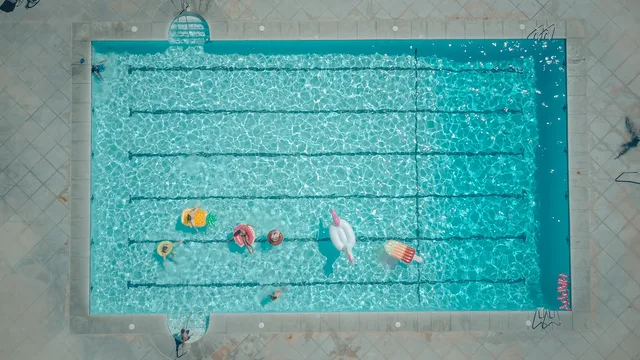
A pilot lands the device on a dry towel, checking the underside for any moisture or debris. When avoiding hazards with pool drones, you must account for both technical and environmental risks. For example, the proximity of water can lead to unexpected spray or humidity affecting the sensors.
| Feature | Drone (Bee) | Unmanned Vehicle (UAV) |
|---|---|---|
| Average Flight Time | 20 minutes | Not established |
I noticed that checking the landing pad for dryness is just as important as checking the battery level. One limitation to keep in mind is that these guidelines do not cover specific municipal laws that may vary by city.
The same subject is also called Rules for drone near swimming.
This part also covers How to fly drones near pools.
Related
- Camping leisure routine guide tips for outdoor enjoyment
- Cheap drone for beginners: Tips to enjoy aerial flight
What are the conditions for operating above the water near a pool?
- Ensure the drone's operational parameters align with the specific airspace conditions above the water. 2. Verify that the flight path maintains a respectful distance from the pool area, considering the shared space above the water. 3. Confirm that any intended maneuvers do not infringe upon the privacy of individuals enjoying the pool.
The conditions above the water demand careful consideration of both the physical environment and the legal framework governing unmanned aerial vehicles. You must always respect the privacy of swimmers and bystanders when flying near the pool. This respect extends to the shared space above the water.




Comments 0