Cheap drone for beginners: Tips to enjoy aerial flight
"A hobby is not necessarily about mastery; it is about finding the joy in the process."
* Choose small, indoor-friendly models to minimize damage. * Prioritize flight time and battery availability over camera resolution. * Practice in open, controlled spaces to build muscle memory. * Focus on the fun of flight rather than professional-grade footage.
Why is flying a drone so much fun?
A small plastic propeller spins rapidly as the device lifts off a wooden coffee table in a sunlit living room. You feel the subtle vibration of the controller in your hands, a tactile connection to the machine hovering just feet above the carpet.
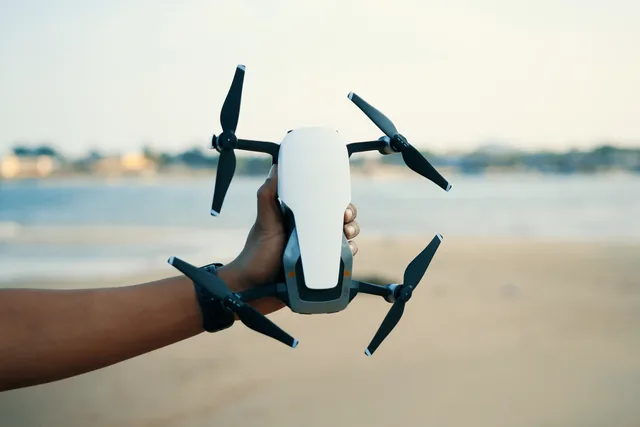
The immediate gratification of seeing the world from a new perspective provides the primary thrill.
The joy of this hobby stems from the intersection of technology and spatial awareness. It offers a sense of freedom as you navigate through obstacles or capture unique angles of your home environment.
While professional pilots seek cinematic perfection, a beginner finds value in the simple act of maintaining steady flight and discovering how much control a small device can offer.
How to find a cheap drone for beginners?
Late at night, you squint at the bright screen while searching for a cheap model in your quiet bedroom.
You scan through various online marketplaces, comparing lightweight plastic frames and simple remote configurations. The screen shows dozens of options, ranging from tiny micro-drones to slightly larger kits that include extra propellers.
You look for balance between price and the basic features needed to stay airborne.
Finding a low budget drone start involves looking for "toy-grade" or "entry-level" categories. These models are designed with durability in mind, often featuring protective cages around the blades.
A low budget drone start allows you to make mistakes, such as bumping into a wall or landing too hard, without the financial sting of breaking an expensive piece of equipment.
For those seeking an affordable home drone, focus on kits that include multiple batteries, as flight times are typically short.
How do I set up my first drone?
You clear a wide space in the backyard, ensuring no low-hanging branches or pets are in the immediate flight path. The drone sits on the grass, its LED lights blinking rhythmically in the afternoon light.
You check the battery levels and the signal strength on your handheld controller before the first takeoff.
A successful beginner drone setup requires more than just unboxing a device. Follow these steps to ensure a smooth start:
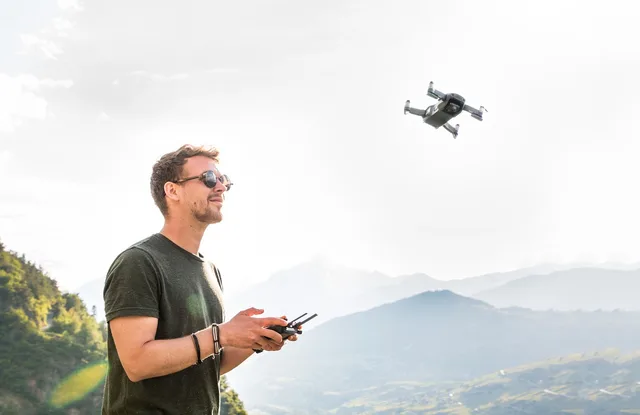
- Charge all batteries fully and inspect the propellers for any hairline cracks or warping. 2. Calibrate the onboard sensors in a flat, level area to prevent the drone from drifting unexpectedly. 3. Set up a "flight zone" that is clear of people, animals, and overhead power lines.
I found that checking the propeller tension during my first session prevented a mid-air wobble that could have ended the flight prematurely. Once these steps are complete, perform a final check of your surroundings to ensure the wind speed is low enough for your specific model.
Discovering drone value in lifestyle
You sit on a park bench, watching the drone glide smoothly over a patch of wildflowers. The sensation of seeing a distant tree or a garden pond from a bird's-eye view changes how you perceive your local surroundings.
This hobby adds a layer of interactive observation to your daily walks or weekend outings.
The drone value in lifestyle is found in the ability to document small moments from an unusual vantage point. It turns a simple walk into an exploration of geometry and landscape. Even without high-definition cameras, the perspective shift provides a mental break from ground-level routine.
Using an easy drone first steps approach, you can integrate this into your life without it becoming a heavy, expensive burden.
Can I use budget drones for everything?
The drone rests in its plastic case, its battery depleted after a short session in the garden. You realize that while the flight was fun, the camera footage is slightly blurry due to the vibrations of the small motors.
The limitations of the hardware become apparent when trying to capture high-speed action.
A limitation of these devices is that they are generally not suitable for high-wind conditions or professional-grade cinematography. Because they are lightweight, even a moderate breeze can make them difficult to control, making them strictly for calm weather and low-altitude use.
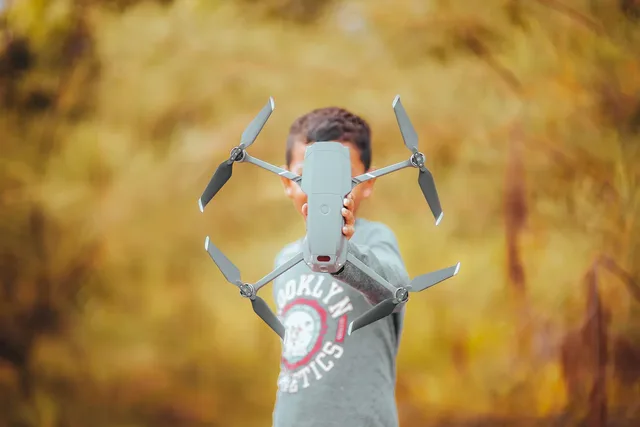
- Starting with a cheap drone for beginners is an accessible way to explore aerial photography and flight mechanics without a massive initial investment.
- This guide is for hobbyists looking to enter the world of unmanned aerial vehicles (UAVs) through low-cost entry points, focusing on how to enjoy the experience rather than just technical perfection.
- You should focus on small, indoor-safe models first, avoid high-end professional rigs until you understand flight physics, and recognize that budget models often lack advanced GPS stability.
The subject here is Cheap drone for beginners.
The same subject is also called Budget drone guide.
This part also covers Fun with your first drone.
Related
- Drone flight time guide: Extend drone flight time with tips
- Cheap home drone start: Why low cost drone use helps
How does the initial investment affect the hobby experience?
- The initial investment influences the scope of the hobby, but the joy of the hobby is not solely dependent on the cost of the equipment. 2. A low-cost drone allows the hobbyist to focus on the process, which is the core of the hobby experience. 3. Avoiding high-end rigs initially lets the beginner understand flight physics before needing advanced features.
The comparison between budget and professional gear highlights a key difference in approach. While professionals pursue cinematic perfection, the beginner gains value from mastering basic control. This contrast reinforces that the hobby is about engagement, not just output quality.
What precautions should a beginner take when flying?
- Always ensure the flight zone is free from obstacles like branches or pets before initiating flight. 2. Checking the battery levels and signal strength on the controller is a crucial pre-flight procedure. 3. A caution exists regarding wind speed; the model's capability dictates the environmental conditions for safe operation.
The practice in controlled spaces helps build muscle memory, which is a condition necessary for smoother flight later. Furthermore, recognizing that budget models often lack advanced GPS stability serves as a procedural reminder for the pilot.
This careful setup ensures the hobby remains enjoyable rather than frustrating.
The initial focus on small, indoor-safe models minimizes the risk associated with early mistakes. This approach allows the hobbyist to learn the mechanics without the immediate financial consequence of extensive damage to expensive components.
The hobby benefits from this gradual, low-stakes introduction.




Comments 0