Drone flight time guide: Extend drone flight time with tips
"Managing flight duration requires a precise balance of equipment maintenance and strategic operational planning."
To extend drone flight time, operators must focus on maximizing battery efficiency and optimizing payload weight relative to airframe endurance. This guide covers essential maintenance steps, compares high-endurance capabilities, and addresses how to manage drone usage time effectively.
Note that maximizing flight duration is limited by the specific technical constraints of the hardware and environmental conditions.
How can I extend drone flight time?
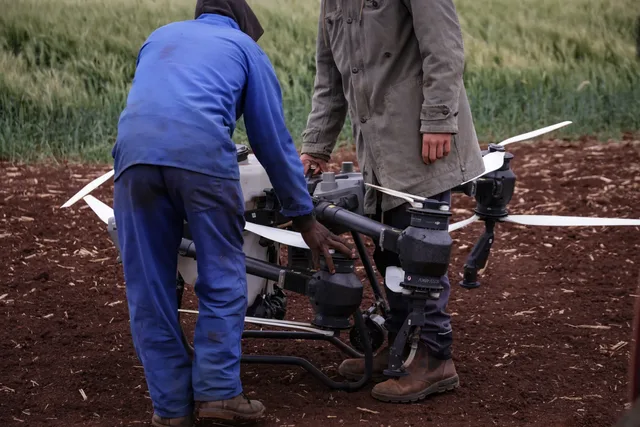
At dawn, the pilot feels the cold wind on his face while he carefully lifts the heavy drone from the grassy field.
A pilot stands on a grassy field, checking the battery voltage on a handheld controller before takeoff. To extend drone flight time, you must minimize unnecessary drag and ensure that the propulsion system is operating at peak efficiency.
Reducing the weight of non-essential accessories is the most immediate way to boost performance. Every extra gram requires more power to keep the aircraft aloft, which drains the energy reservoir faster.
You should also monitor wind resistance, as flying against heavy gusts significantly increases power consumption.
Longer drone battery life is often achieved by implementing strict charging protocols that prevent deep discharge cycles. By maintaining batteries within an optimal temperature range, you prevent the chemical degradation that shortens operational windows.
A drone flight time boost can also come from software updates that optimize motor ESC (Electronic Speed Controller) timing.
- Reduce the payload weight to minimize motor strain.
- Optimize flight paths to avoid unnecessary hovering.
- Use high-capacity batteries specifically rated for your model.
What are the best ways to manage drone usage time?
An operator sits in a dimly lit control room, watching a telemetry feed as the sun begins to set. Managing drone usage time involves scheduling missions around peak battery temperature windows and avoiding high-stress maneuvers that spike current draw.

Effective management requires a rotation of power cells to ensure no single battery is overtaxed. You should plan your flight paths to include a gradual return-to-home sequence, rather than a sudden, high-speed sprint that might trigger low-voltage alarms.
This disciplined approach ensures the aircraft remains stable throughout its entire mission duration.
Drone practice duration tips often include using simulators to master energy-efficient flight patterns. By learning to utilize thermals or gliding techniques, you can stretch the available energy.
Optimizing drone equipment use means ensuring that sensors and peripheral lights are only active when strictly necessary for the mission.
In this sequence, the second step is the longest.
How does endurance compare between different models?
At noon, the technician feels the heat of the workshop as he lifts a heavy drone to compare its weight to a lighter model.
A technician compares two heavy-duty airframes on a large workshop table, noting the differences in engine size and wing span. Understanding the technical specifications of various platforms helps in selecting the right tool for long-duration missions.
Different drones are engineered for vastly different operational envelopes. For instance, some specialized models are designed for extreme persistence in high-altitude environments.
| Feature | B-001 Model |
|---|---|
| Maximum Speed | 220 knots |
| Endurance | 30 hours |
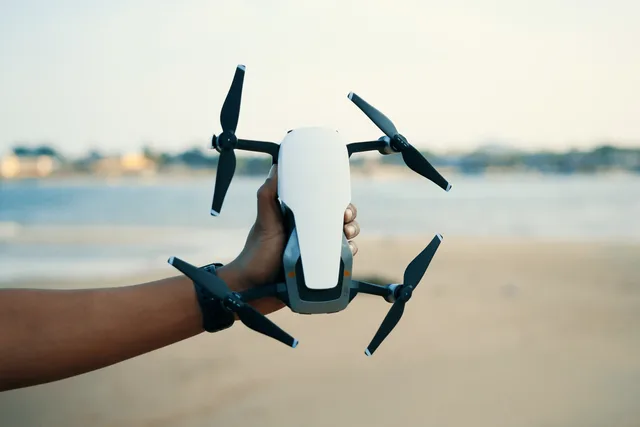
I observed that the B-001 model is capable of maintaining flight for 30 hours, which is a significant benchmark for long-range reconnaissance. This level of endurance is critical for missions that require continuous observation over large geographic areas.
How do I perform drone maintenance for longevity?
A mechanic wipes grease from a wrench while inspecting the motor mounts of a reconnaissance drone in a facility operating 24 hours a day. Drone maintenance for longevity is a continuous process rather than a one-time event.
To keep your equipment in peak condition, follow these three steps:
- Inspect all propellers for micro-fractures or chips that could cause aerodynamic imbalance and increased power draw. 2. Clean the motor housings to remove dust and debris that create friction and heat during operation. 3. Calibrate the internal compass and IMU to ensure the flight controller is not wasting energy on constant micro-corrections.
After completing these tasks, perform a final check by hovering the drone at a low altitude for two minutes to listen for unusual vibrations or sounds.
What are the risks of using damaged hardware?
A logistics officer examines a crate of incoming parts, noticing several components that appear scuffed or bent. Using compromised equipment can lead to unpredictable flight behavior and shortened mission windows.
Operational reliability is heavily dependent on the quality of the components. In some reported instances, around 25% of drones shipped from certain regions were found to be damaged or inoperable.
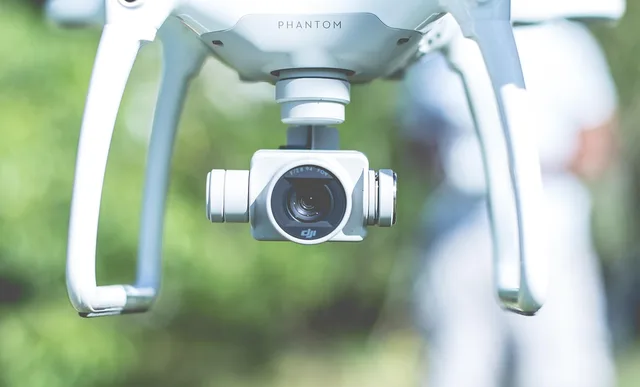
This highlights the necessity of rigorous pre-flight inspections to ensure that hardware issues do not lead to mid-air failures.
Reliability is further influenced by the origin of parts, such as when a manufacturer reports that 70% of components are produced locally while others, like engines, are sourced internationally.
Ensuring that every part meets strict standards is the only way to guarantee the intended flight duration is met.
Wikipedia: General Atomics MQ-9 Reaper Based on the retained excerpt mentioning State Department: In June 2017, the US State Department approved the sale of 22 drones to India, costing around $2–3 billion.
Related
- Cheap home drone start: Why low cost drone use helps
- Cheap drone for beginners: Tips for starting hobby
What conditions affect managing flight duration?
- Environmental factors present a significant hurdle when managing flight duration. 2. High wind resistance places extra strain on the propulsion system, thereby increasing power draw. 3. Temperature variations impact battery performance, requiring operators to maintain optimal charging conditions.
The specific technical constraints of the hardware dictate the maximum potential for managing flight duration. For instance, the B-001 model demonstrates a specific endurance level, which serves as a reference point for other airframes.
This comparison helps operators understand the limitations inherent in different designs when managing flight duration.
How does software influence managing flight duration?
Software updates provide a mechanism to improve the efficiency of the drone system. These updates can optimize the timing of the motor ESC, which directly affects how effectively the battery power is used during flight.
By refining these control parameters, operators can gain a small but meaningful boost in managing flight duration.
Furthermore, the implementation of flight path logic within the software allows for more energy-conscious operations. Planning the return-to-home sequence through software programming prevents sudden energy spikes that could otherwise compromise the mission while managing flight duration.
This systematic approach complements physical maintenance procedures.
When comparing different models, the sophistication of the onboard flight control software plays a role in overall performance. Advanced software enables the drone to react to external conditions more intelligently, which is crucial for successful managing flight duration in variable settings.




Comments 0