Knitting fun and basics: How to solve problems through craft
"The rhythm of the needles provides a sanctuary where time slows down, and every stitch becomes a meditative step toward creation."
Knitting fun and basics involve transforming a simple strand of yarn into functional or decorative art through repetitive, rhythmic motions. This hobby is ideal for anyone seeking to improve focus, solve problems through craft, and reduce stress by making things.
While it offers deep mental benefits, the joy of the hobby is found in the process rather than the perfection of the final garment.
* Mastering basic stitch patterns to build muscle memory. * Using the repetitive motion to enter a flow state. * Developing problem-solving skills when correcting mistakes. * Creating tangible items that provide a sense of accomplishment.
What does it feel like to find joy in knitting?
At sunset, you sit on the porch and feel the warmth of the wool while knitting a soft scarf.
A ball of soft wool sits on a wooden table as sunlight streams through the window, catching the stray fibers of a freshly cast-on row. You feel the tension of the yarn between your fingers, a tactile sensation that anchors you to the present moment. This is where the core of the experience lies.
The essence of the hobby is found in the tactile connection between the maker and the material. Engaging with different textures allows for a sensory experience that is both grounding and stimulating. Many enthusiasts find that the rhythmic nature of the work serves as a mental reset.
Finding what is knitting joy often means embracing the imperfections of a first project. It is not about producing a professional sweater immediately, but about the satisfaction of seeing a single row grow.
This transition from raw material to structured fabric provides a unique psychological reward.
It is the unique sense of satisfaction that comes from watching a single strand of yarn transform into a tangible, beautiful object through your own hands.
How to improve focus with knitting Knitting fun and basics
A quiet room holds only the soft clicking of bamboo needles hitting one another in a steady, predictable cadence. You watch the loop slide from one needle to the next, focusing entirely on the precision of the movement. The world outside the immediate circle of your work begins to fade away.
To improve focus with knitting, one must treat the repetitive motion as a form of active meditation. This concentration helps quiet the mental noise of daily life. By dedicating specific blocks of time to the craft, the brain learns to settle into a deep state of attention.
The mental clarity gained from this practice is a byproduct of the technical requirements. Keeping track of stitch counts and pattern repeats necessitates a level of mindfulness that naturally discourages distraction. This disciplined focus can eventually translate to other areas of daily life.
- Choose a repetitive stitch pattern to settle your mind.
- Set aside a dedicated time each day for your project.
- Minimize digital distractions to stay present with your rhythm.
Can I solve my problems through crafting?
A dropped stitch appears like a small, gaping hole in the middle of a blue landscape, demanding immediate attention. You pause, pull out the working yarn, and carefully navigate the needle back through the loop to mend the error.
The frustration of the mistake quickly turns into a puzzle to be solved.
You can solve problems through craft by viewing every error as a logic puzzle rather than a failure. Correcting a mistake requires analyzing the structure of the fabric and understanding how the stitches interact. This iterative process of trial and error builds cognitive resilience.
Managing tension and navigating complex patterns forces the maker to think several steps ahead. When a pattern changes, you must adapt your movements and plan the upcoming transitions.
This constant mental engagement turns a simple hobby into a sophisticated exercise in spatial reasoning and tactical planning.
The rhythmic nature of working through stitches allows your subconscious to process complex thoughts, often leading to breakthroughs while your hands remain busy.
Reduce stress by making things
The evening air is cool, and you wrap a warm, handmade scarf around your neck while sitting by the fireplace. The weight of the fabric is a constant reminder of the hours spent in calm, focused labor. The tension in your shoulders eases as you realize the utility of your own creation.
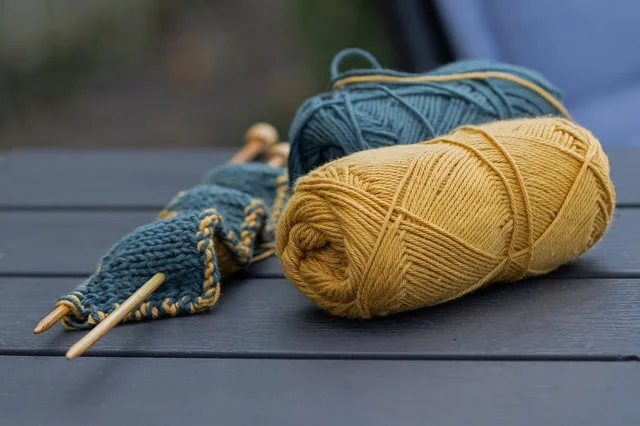
Many people choose to reduce stress by making things because the physical act of creation is inherently soothing. The repetitive, predictable nature of the stitches provides a sense of control and order. This sense of agency is particularly helpful when other aspects of life feel chaotic.
The transition from a loose pile of yarn to a structured object offers a tangible sense of progress. Unlike many digital tasks, the results of knitting are physical and enduring. This ability to produce something real from nothing provides a significant emotional lift.
Focusing on the tactile sensation of the wool and the steady movement of the needles helps quiet mental noise and promotes a sense of calm.
Beginner knitting tips
You pick up a pair of smooth metal needles and a skein of medium-weight cotton yarn to begin your first session. The texture is slightly stiff, requiring you to adjust your grip and pressure. You start with the simplest movements, focusing on the feeling of the yarn sliding.
If you are looking for beginner knitting tips, follow these foundational steps to build a solid base:
- Select smooth, light-colored yarn and large needles to make your stitches clearly visible. 2. Practice the "cast-on" method to create your initial foundation row on the needle. 3. Master the "knit stitch" repeatedly until the motion becomes an unconscious habit.
After completing these steps, perform a final check by counting your stitches to ensure the row matches your intended width. I found that focusing on the rhythm of the movement was much more helpful than worrying about the exact shape of the loops.
Start with medium-weight yarn and larger needles to make it easier to see your stitches and correct mistakes as you learn.
Comparison of knitting experiences
| Experience Type | Primary Focus | Mental State |
|---|---|---|
| Repetitive Basics | Muscle Memory | Meditative |
| Complex Patterns | Pattern Logic | Problem-Solving |
The enjoyment of the hobby can vary depending on the complexity of the task chosen. While simple rows offer relaxation, complex structures offer intellectual stimulation.
A limitation of this hobby is that it requires a certain level of fine motor dexterity, which may be difficult for individuals with severe hand mobility issues.
While some find peace in the solitude of a long project, others thrive on the social connection found in local knitting circles.
The subject here is Knitting fun and basics.
The same subject is also called What is knitting joy?.
The same subject is also called Hobby knitting benefits.
The same subject is also called Simple yarn experience.
Related




Comments 0