Cooking fun and hobby basics guide for cooking 100 °C
"The kitchen is not just a place for sustenance, but a laboratory for the senses and a sanctuary for the mind."
This guide is for individuals seeking to improve mental focus, solve practical problems, and reduce stress through food preparation.
* Mastering heat control to manage food safety. * Understanding the chemistry of ingredient transformation. * Using preparation methods to reduce harmful compounds. * Applying kitchen logic to daily problem-solving.
How does cooking fun and hobby basics improve focus?
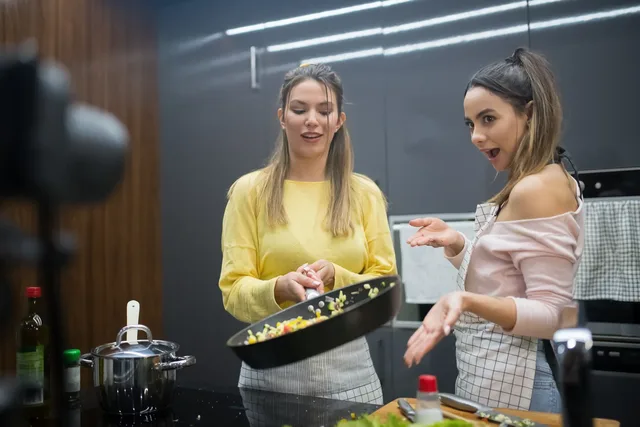
At dusk, you stand in the quiet kitchen, feeling the rhythmic vibration of a knife against wood while cooking.
This repetitive motion requires steady hands and undivided attention to ensure every slice is uniform and safe.
Engaging in the joy of food making demands a high level of sensory awareness. You must monitor the sizzle of a pan, the aroma of spices, and the changing texture of proteins.
This intense concentration helps to boost focus while cooking, moving the mind away from external distractions and into the immediate task.
By focusing on the tactile sensations of chopping, stirring, and seasoning, the cook enters a flow state. This mental immersion serves as a productive way to practice mindfulness in a domestic setting.
Can recipes actually help me solve problems?
In the dim light of the pantry, you grip the edge of a shelf while cooking to find a replacement for a missing ingredient. A heavy pot sits on the stove while you realize a crucial ingredient is missing from the pantry. You scan the shelves, searching for a substitute that provides the same acidity or fat content to balance the dish.
The ability to solve problems with recipes is a core component of culinary growth. When a sauce breaks or a seasoning feels off, the cook must use logic to rectify the imbalance. This trial-and-error process builds cognitive flexibility and practical resourcefulness.
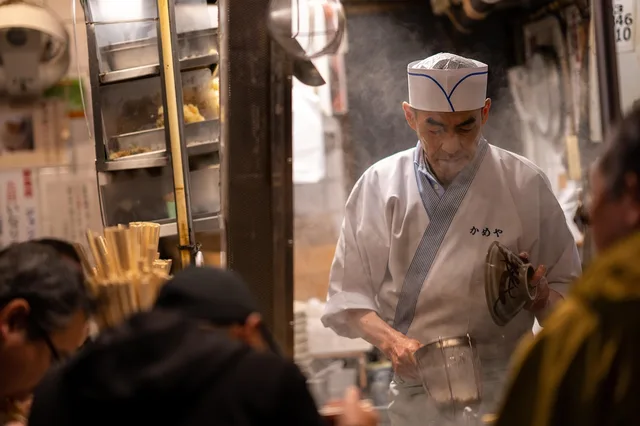
Learning simple cooking skills means understanding how ingredients interact. For instance, knowing that kidney beans are toxic when raw or improperly cooked due to the presence of phytohaemagglutinin requires following specific thermal instructions.
To ensure safety, these beans must be cooked for at least ten minutes at 100 °C (212 °F) to inactivate the toxin.
Can I use food to lower my stress?
Steam rises from a boiling pot of water, carrying the soothing scent of herbs through the air as the evening settles in. The warmth of the kitchen provides a physical and emotional buffer against the outside world.
Many people find that they can reduce stress through food by turning meal preparation into a meditative ritual. The act of selecting fresh produce and organizing a workspace offers a sense of control and accomplishment.
The kitchen serves as a space for creative expression, allowing for a release of tension. This restorative process is heightened when the cook focuses on the sensory rewards of a well-prepared meal.
What are the safety steps for kitchen success?
A thermometer slides into a piece of roasting meat to ensure the internal temperature is correct. You watch the digital readout carefully to avoid the pitfalls of improper heat management.
To maintain a safe environment, follow these three essential steps:

- Monitor the "Danger zone" to prevent bacterial growth. Food spoilage bacteria proliferate in the temperature range from 40 to 140 °F (4 to 60 °C), so avoid storing food in this range. 2. Manage high-heat exposure to minimize harmful compounds. Microwaving meat before cooking may reduce HCAs by 90% by reducing the time needed for the meat to be cooked at high heat. 3. Apply precise heat to neutralize toxins. Ensure items like kidney beans reach at least 100 °C (212 °F) for ten minutes to ensure safety.
Perform a final check by verifying that all perishable items have been moved out of the danger zone and all proteins have reached their required temperatures.
I find that checking the thermometer during the final stages of cooking provides the most peace of mind.
How do cooking methods affect health?
A piece of steak rests on a plate, its surface browned by the intense heat of the grill. You consider the chemical changes that occurred during the searing process.
Different cooking techniques impact the nutritional and chemical profile of your food. While avoiding meat or eating meat raw may be the only ways to avoid HCA's in meat fully, the National Cancer Institute states that cooking meat below 212 °F (100 °C) creates "negligible amounts" of HCA's.
| Method | Potential HCA Impact |
|---|---|
| High-heat grilling | Higher risk of HCAs |
| Microwaving before cooking | May reduce HCAs by 90% |

It is important to note that while diet is a powerful tool, it is not a total solution. Studies suggest that around 32% of cancer deaths may be avoidable by changes to the diet.
- Cooking fun and hobby basics involve transforming raw ingredients into nourishing meals through deliberate technique and heat application.
- You will learn about temperature safety, ingredient preparation, and the limitations of dietary changes in preventing disease.
- A sharp knife glides through a crisp bell pepper on a wooden cutting board as the rhythmic sound fills the quiet kitchen.
The subject here is Cooking fun and hobby basics.
The same subject is also called Food hobby starting guide.
The same subject is also called Kitchen fun experience.
Related
- Natural material hobby fun: Guide to organic hobby benefits
- Cooking hobby life quality: How to boost health tips
What are the limitations of dietary changes?
- Dietary adjustments, while beneficial, do not function as a complete preventative measure against illness. 2. The article indicates that around 32% of cancer deaths may be avoidable through changes to the diet, suggesting other factors remain involved. 3. The kitchen, as a place for sustenance, provides immediate benefits like focus and tension release, which are distinct from long-term disease prevention.
How does the kitchen function as a sanctuary?
- The kitchen acts as a physical and emotional buffer when the warmth of the space shields the cook from external pressures. 2. Transforming raw ingredients within the kitchen allows for a creative expression that helps release built-up tension. 3. This sanctuary quality is reinforced when the cook concentrates on the sensory rewards derived from a successfully prepared meal.
Wikipedia: Cooking Based on the retained excerpt mentioning National Cancer Institute: While avoiding meat or eating meat raw may be the only ways to avoid HCA's in meat fully, the National Cancer Institute states that cooking meat below 212 °F (100 °C) creates "negligible amounts" of HCA's.






Comments 0