Cooking hobby life quality: How to boost health tips
"Integrating cooking into your daily routine can serve as a bridge between simple sustenance and a meaningful lifestyle habit."
Transforming your kitchen into a space for growth allows you to boost life with food skills while managing your health through informed preparation. This guide helps you navigate food safety, ingredient management, and nutritional strategies to improve your quality of life through meals.
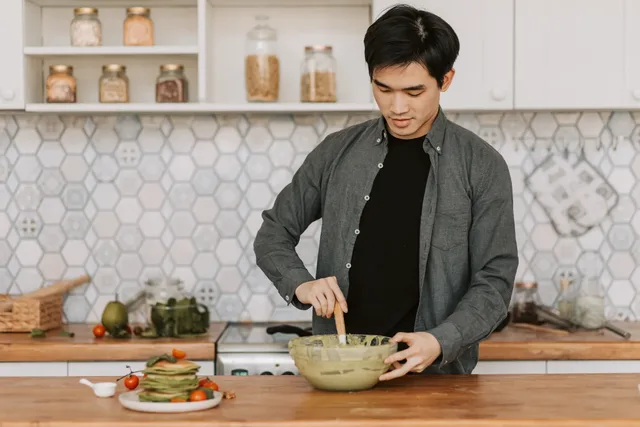
You will learn how to manage cooking costs wisely and focus on culinary skill growth by understanding temperature controls and ingredient properties. However, the effectiveness of these methods depends on your ability to strictly follow temperature guidelines for specific ingredients.
How can you use cooking hobby life quality to improve health?
At noon, I stand in my sunlit kitchen, feeling the cool breeze as I begin cooking fresh vegetables for a nutritious meal.
A person stands in a sunlit kitchen, carefully slicing fresh vegetables for a midweek meal. This intentional act of preparing food is the foundation of a cooking hobby life quality approach. By shifting from passive eating to active preparation, you gain control over what enters your body.
Studies suggest that around 32% of cancer deaths may be avoidable by changes to the diet. This connection highlights why culinary skill growth is not just about flavor, but about long-term wellness.
When you treat cooking as a hobby, you naturally develop better habits regarding ingredient selection and preparation methods.
Implementing these changes requires patience and a willingness to learn. You can integrate cooking for fun by experimenting with new spices or textures. This transition from survival to enjoyment is what defines a true lifestyle integration.
How can I stay safe while cooking at home?
A cook watches a thermometer closely as a pot of water begins to bubble on the stove. Understanding thermal boundaries is critical to ensuring that the food you prepare is both safe and nutritious. Managing the temperature of your ingredients is a vital part of daily cooking habit management.
Food spoilage bacteria proliferate in the "Danger zone" temperature range from 40 to 140 °F (4 to 60 °C). To keep your kitchen safe, you should never store food within this specific range. Keeping ingredients either well below or well above these temperatures prevents bacterial growth.
Safety also involves understanding the chemical changes that occur during the heating process. For example, kidney beans are toxic when raw or improperly cooked due to the presence of phytohaemagglutinin. These beans must be cooked for at least ten minutes at 100 °C (212 °F) to inactivate the toxin.
How can you reduce harmful compounds in meat?
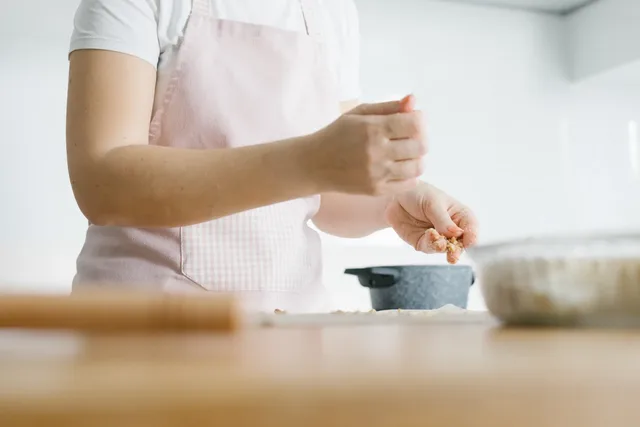
A chef places a piece of beef into a microwave for a short duration before transferring it to a hot grill. This simple preparatory step is a practical way to manage cooking costs wisely by making high-quality proteins safer to eat.
Microwaving meat before cooking may reduce HCAs by 90% by reducing the time needed for the meat to be cooked at high heat. This technique allows you to enjoy grilled textures while minimizing exposure to heterocyclic amines.
It is a clever way to combine modern technology with traditional cooking methods.
According to the National Cancer Institute, cooking meat below 212 °F (100 °C) creates "negligible amounts" of HCA's. While avoiding meat or eating it raw may be the only ways to avoid HCAs fully, controlling the temperature provides a significant layer of protection.
What's the best way to manage my ingredients?
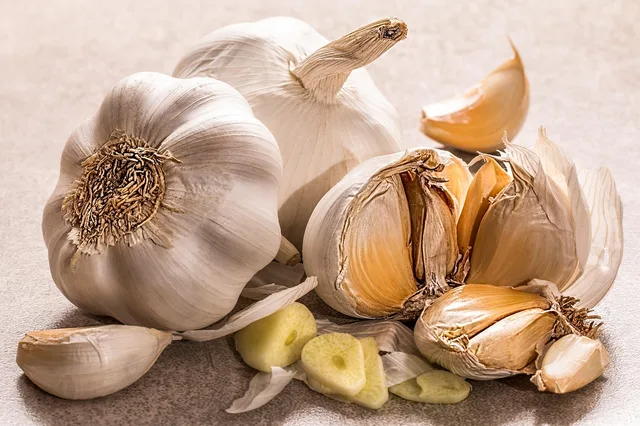
Someone organizes a pantry, checking the labels on various grains and legumes. Effective ingredient management is a cornerstone of a sustainable cooking habit.
- Check the raw state of grains, as raw cereal grains are hard to digest. 2. Verify that legumes like kidney beans are boiled thoroughly to neutralize toxins. 3. Monitor the temperature of all stored items to avoid the bacterial danger zone.
I have found that checking these specific details before I even turn on the stove makes the entire process much smoother. Once these steps are complete, you can proceed to the actual cooking with confidence.
Can cooking improve your daily routine?
A person sits down to a plate of steaming, home-cooked food after a long day of work. The satisfaction of a meal prepared by your own hands provides a sense of accomplishment that store-bought food cannot match.
Focusing on culinary skill growth allows you to turn a chore into a relaxing ritual. As you master different techniques, the time spent in the kitchen becomes a period of mental decompression. This integration of a hobby into your lifestyle is a powerful way to enhance your overall well-being.
| Cooking Method | Potential Outcome |
|---|---|
| Microwaving before grilling | 90% reduction in HCAs |
| Cooking below 212 °F | Negligible HCA amounts |
- How can you use cooking hobby life quality to improve health?
- How can I stay safe while cooking at home?
- How can you reduce harmful compounds in meat?
The same subject is also called Value of combined cooking.
The same subject is also called Improve quality through meals.
Manage cooking costs wisely
Related
- Soap making tips with cheap soap making kit guide
- Music composition fun guide: Guide to small melodic ideas
What are the conditions for successful ingredient management?
- The raw state of grains necessitates checking because raw cereal grains present difficulty for digestion. 2. Legumes, such as kidney beans, require thorough boiling to neutralize inherent toxins. 3. Ingredient storage demands monitoring the temperature of all items to prevent entry into the bacterial danger zone.
These checks before starting the cooking process ensure a smoother experience when integrating cooking into your routine. Proper ingredient management supports the overall goal of lifestyle improvement through meals.
How does temperature control affect cooking outcomes?
The effectiveness of culinary skill growth hinges upon the strict adherence to temperature guidelines for specific ingredients. Understanding thermal boundaries is essential for producing food that is both safe and nutritious.
When cooking meat, the comparison between microwaving and grilling highlights a procedural advantage; microwaving can achieve a significant reduction in HCAs.
Furthermore, the condition of cooking below 212 °F (100 °C) results in negligible amounts of HCA's, offering a protective measure during cooking.
These temperature considerations underscore that integrating cooking requires an awareness of chemical reactions, such as the toxin in raw kidney beans, which mandates specific cooking procedures to render them safe for consumption.
This careful control is key to transforming cooking into a positive lifestyle habit.





Comments 0