Music composition fun guide: Guide to small melodic ideas
"The transition from analog tape to digital tools has fundamentally changed how we capture sound, removing the limitations of physical medium through superior signal-to-noise ratios."
How to start a music composition fun guide?
At dusk, you sit at your wooden desk and feel the scratch of a pencil while sketching a rhythm for your music composition fun guide.
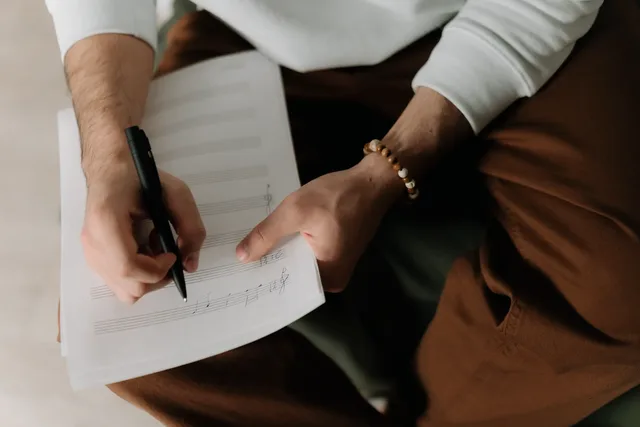
Sitting at a desk with a notebook and a pencil, you jot down a simple rhythm that mimics your heartbeat. This initial step is the core of a music composition fun guide, where the goal is to translate a feeling into a sequence of notes.
You do not need expensive equipment to begin; a simple instrument or even a humming voice serves as your first studio.
Starting small prevents the overwhelm that often stops new creators in their tracks. Instead of trying to write a full song, focus on a four-bar loop that repeats a pleasing sequence.
As you build these small blocks, you will find that easy music making hobby becomes a meditative practice rather than a chore. Use these building blocks to explore different moods and tempos.
Can I get better at music from home?
Adjusting the sliders on a screen, you listen to how a single bass note changes the energy of a melody. To improve music skills at home, you must engage in active listening and repetitive experimentation with different scales.
This process involves deconstructing songs you love to understand why certain chords evoke specific emotions.
According to the Society for Music Analysis, music theory and analysis are specialized fields of study that can deepen your understanding of structure. By applying these analytical concepts to your own work, you move beyond mere intuition.

You can practice by transcribing simple melodies by ear, which strengthens the connection between your hearing and your playing.
What are some cheap music projects I can do?
Opening a free software application on a laptop, you begin layering a simple drum beat under a piano melody. Many people look for low cost music project ideas to avoid the high barrier of entry associated with professional studios.
You can start with mobile apps or free digital audio workstations that offer a wide range of sounds without any upfront investment.
| Method | Primary Focus |
|---|---|
| Analog Observation | Understanding physical sound movement |
| Digital Experimentation | Utilizing high signal-to-noise ratios |
I found that using free software allowed me to experiment with various genres without the fear of wasting expensive resources. This approach lets you focus entirely on the creative output.
How to use focus music making techniques?
Setting a timer for thirty minutes, you clear your workspace of all distractions to focus solely on a single instrument. Using focus music making techniques requires creating a dedicated environment where the creative flow is not interrupted by notifications or external noise.
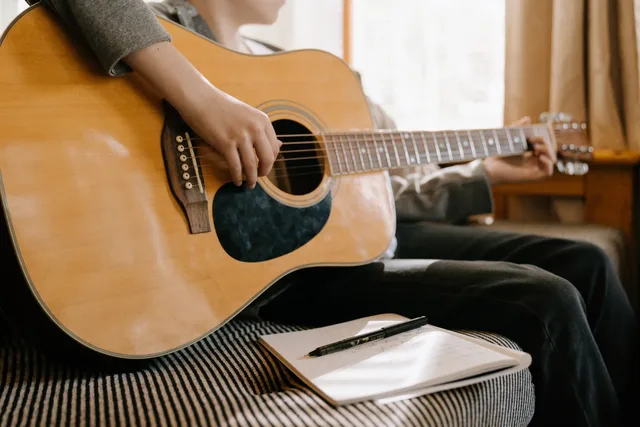
This disciplined approach helps in developing a consistent practice routine tips framework.
- Choose one specific musical element, such as a bassline or a lead melody, to develop. 2. Set a strict time limit to encourage decisive creative choices rather than endless tweaking. 3. Record your progress immediately to ensure you do not lose a fleeting idea.
After completing these steps, perform a final check by listening to the recording from a distance to hear the overall balance.
Is there a limitation to digital composing?
Staring at a digital waveform on a monitor, you realize that while the sound is clean, the human touch is what adds character.
A significant limitation in the modern landscape is the lack of diversity in the professional sphere, which can influence the types of sounds and styles that become mainstream.
A report from the Annenberg Inclusion Initiative, based in the USC Annenberg School for Communication and Journalism, estimated that in the prior several years, about 2% of popular songs' producers were female.
This statistic highlights that while the tools are available to everyone, the professional industry still faces representation gaps.
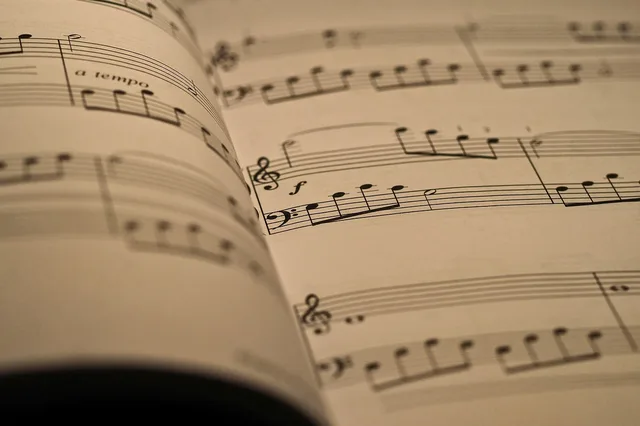
- Music composition is an accessible hobby for anyone wanting to turn abstract emotions into structured sound through melody and rhythm.
- This guide helps beginners find joy in the creative process, offers methods to improve musical skills at home, and provides a starting point for those seeking fun music creation for beginners.
- You should focus on small melodic ideas rather than complex symphonies, and while digital tools make recording easier, they cannot replace the foundational understanding of music theory.
The same subject is also called Start composing music simply.
This part also covers Music practice routine tips.
Related
- Movies and Concerts: How to enjoy movies and concerts
- Music composition tips: Joy of music composition guide
How does the transition affect the creative process?
- The transition from analog tape to digital tools fundamentally alters sound capture by offering superior signal-to-noise ratios. 2. This change removes the constraints previously imposed by the physical nature of the analog medium. 3. Beginners should still prioritize foundational music theory despite the ease afforded by digital tools.
The improved clarity of digital tools allows for more intricate sonic exploration than was possible with older analog recordings. However, the initial creative impulse remains the same, requiring the composer to translate emotion into structured sound.
What cautions should a beginner keep in mind?
- Always begin with small melodic ideas to avoid creative paralysis. 2. Remember that digital tools, while powerful, do not substitute for a deep grasp of musical concepts. 3. When experimenting, compare the output against the foundational principles of music structure.
Active listening is a critical skill that must be developed alongside technical proficiency. Deconstructing existing music helps the composer understand the conditions that lead to specific emotional responses in the listener.
This analytical engagement deepens the learning experience beyond simple button pushing on a screen.
When utilizing free software for low cost music project ideas, one must still exercise caution regarding the balance between experimentation and artistic intent. The focus should remain on the creative output, not merely the availability of the technology itself.
This practice mirrors the initial observation of physical sound movement found in analog methods, but through a digital lens.






Comments 0