Embroidery tips for fun embroidery guide for beginners
"The beauty of a single thread lies not in the perfection of the pattern, but in the rhythm of the needle passing through the fabric."
This guide is for beginners looking to explore small projects, essential materials, and budget-friendly alternatives to get started without feeling overwhelmed.
What is the essence of embroidery?
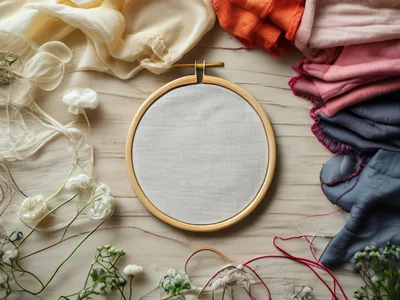
A wooden hoop rests on a sunlit desk as a needle pulls a bright thread through a piece of linen. This craft involves using a needle and thread to decorate fabric, creating patterns that range from delicate floral designs to dense, textured motifs.
It offers a meditative experience where the repetitive motion of stitching helps practitioners find focus.
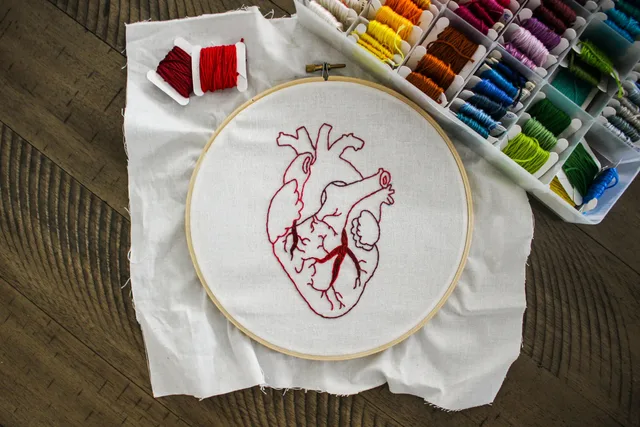
The craft encompasses various styles and historical techniques. For example, the satin stitch is a common form of stitch used in Chinese embroidery. You can explore different textures by learning specific methods like the Pekin knot, which is a knotted stitch that originated in China.
These techniques allow you to build layers and depth, turning a flat surface into a three-dimensional piece of art.
However, the meditative quality of the craft may be lost if you focus too heavily on technical perfection rather than creative expression.
How do you begin your first project?
In the quiet morning, your hands tremble slightly while pulling a single thread for your first embroidery project.
You pick up a small scrap of cotton fabric and a single needle to test the tension of your thread. Starting with embroidery does not require a massive studio setup; instead, it begins with a single, manageable goal.
Beginners often find success by choosing small items like a handkerchief or a small patch to avoid the fatigue of large-scale work.
To start, follow these basic steps: 1. Select a stable, non-stretchy fabric like cotton or linen to ensure your stitches stay in place. 2. Secure your fabric in an embroidery hoop to keep the surface taut and even. 3.
Practice basic stitches, such as the running stitch or backstitch, on a scrap piece before moving to your main design.
Once you complete your first small shape, you will feel the momentum needed to tackle slightly more complex patterns.
Keep in mind that starting with overly complex patterns can lead to frustration if you lack basic stitch familiarity.
What materials and budget options exist?
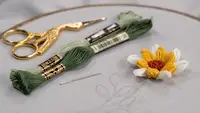
You browse a local craft store, comparing the vibrant colors of silk threads against more affordable cotton options. Building an embroidery hobby guide requires understanding the tools that make the work possible without breaking the bank.
While professional kits can be expensive, you can easily find low-cost alternatives to build your collection.
| Material Type | Primary Use | Budget Consideration |
|---|---|---|
| Cotton Floss | General stitching | Highly affordable and easy to find |
| Silk Thread | Fine, decorative work | Higher cost, often used for specialized art |
I found that using embroidery supplies and tools from a basic kit is much more efficient than buying every color individually at first. If you are looking for an embroidery kit on a budget, focus on multi-colored cotton floss sets rather than expensive specialty silks.
Note that while inexpensive tools work for beginners, low-quality needles may cause frequent breakage or fabric damage.
How can you find tips for fun embroidery?
You sit in a quiet corner of a park, stitching a tiny leaf onto a small fabric square while enjoying the breeze. Finding the joy in the craft means separating the act of playing with color from the pressure of creating a masterpiece.
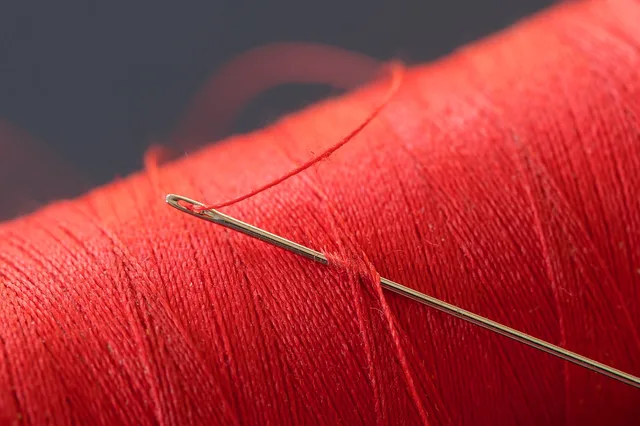
Using small embroidery starter ideas, such as decorating a denim pocket or a plain tote bag, keeps the stakes low and the satisfaction high.
To keep the hobby engaging, try these methods: 1. Set tiny, non-intimidating goals, such as finishing just one flower per week. 2. Keep a small journal of the textures and colors you experiment with to track your personal progress. 3.
Share your small wins with others, perhaps by posting a photo of a single completed stitch pattern.
Focusing on the tactile sensation of the thread moving through the cloth helps maintain the fun.
Be aware that following online trends may not always align with your personal style or available skill level.
How can you improve your embroidery skills?
You sit under a bright lamp, carefully studying the tension of a complex satin stitch to ensure it is perfectly smooth. For those who want to move beyond casual play, improving your embroidery requires a more structured approach to technique and pattern complexity.
This transition involves moving from simple lines to filling entire shapes with dense, consistent stitches.
To advance your skill level, consider these steps: 1. Study historical patterns and advanced stitches to understand how different textures interact. 2. Practice maintaining consistent tension to prevent the fabric from puckering under heavy stitching. 3.
Gradually increase the complexity of your designs by layering different stitch types.
As you master these movements, your work will gain the professional clarity seen in traditional textile arts.
Progress may feel slow if you do not consistently practice different tension techniques and stitch varieties.
What are common mistakes to avoid?
You notice a small wrinkle in the center of your fabric and realize the hoop was not tightened enough. Many beginners struggle with tension issues or choosing the wrong needle size for their thread. It is important to recognize these hurdles early to prevent frustration.
One common mistake is using a fabric that is too thin or stretchy, which causes the embroidery to distort as you work. Additionally, pulling the thread too tightly can create "puckers" that ruin the smooth look of the cloth.
While these issues are common, they can be corrected by adjusting your hoop tension and practicing a lighter touch.
Can I use any type of thread?
While many threads work, different materials serve different purposes. Cotton floss is excellent for beginners due to its ease of use and low cost, whereas silk or gold threads are often used for more ornamental or traditional Chinese embroidery styles.
Is a hoop necessary for starting?
Yes, using an embroidery hoop is a fundamental part of the process. It keeps the fabric taut, which is essential for maintaining even stitches and preventing the material from bunching up while you work.
Embroidery is a versatile craft that allows for endless creativity through simple tools and varied techniques. Whether you are decorating a small patch or exploring intricate historical stitches, the focus should remain on the enjoyment of the process.
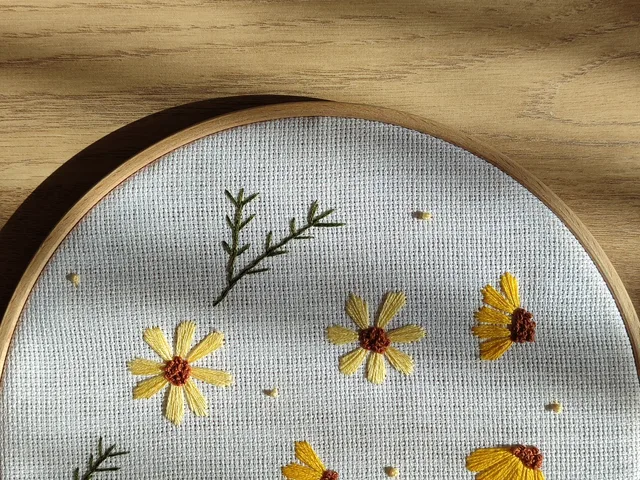
Note that the ease of learning depends heavily on the type of fabric and thread you choose to use.
This advice does not apply to advanced practitioners who are intentionally experimenting with unconventional or non-traditional methods.
- Embroidery is a creative craft that allows you to transform simple cloth into textured art through various needlework techniques.
- To enjoy the process, focus on small wins and simple patterns rather than immediate mastery, though keep in mind that professional-grade results often require specialized silk or gold threads.
- According to the Suzhou Silk Museum Chinese, the Pekin knot is a knotted stitch which originated in China.
The subject here is tips for fun embroidery.
The same subject is also called starting embroidery craft.
The same subject is also called easy embroidery projects.
Related

Comments 0