Beginner embroidery small projects: How to start small
"The smallest stitch can hold a world of color, provided you do not lose the thread of joy in the pursuit of perfection."
Starting beginner embroidery small projects requires focusing on manageable scale rather than grand designs. This guide helps you select basic tools, manage a modest budget, and navigate the transition from simple stitches to meaningful small-scale art.
Key takeaways: * Focus on small fabric pieces to prevent overwhelm. * Prioritize essential tools like needles, hoops, and thread over expensive kits. * Separate the joy of creating from the pressure of technical perfection.
What is beginner embroidery small projects?
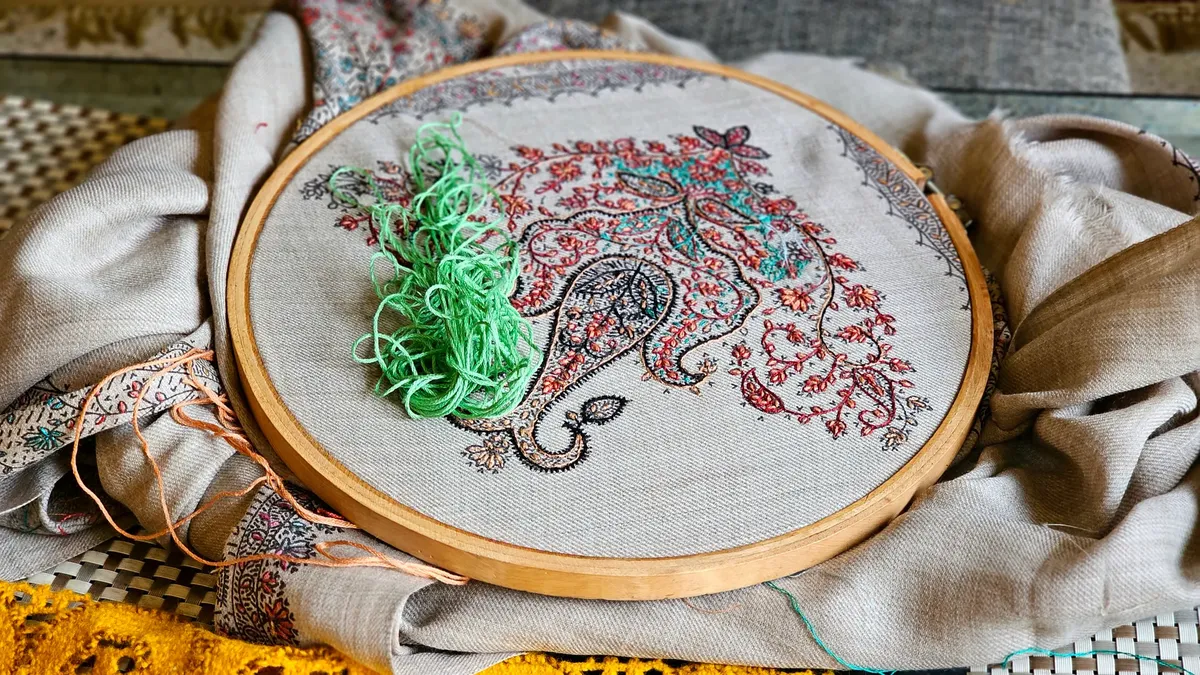
In the quiet afternoon light, I grip a tiny wooden hoop to steady the fabric for my first beginner embroidery small projects.
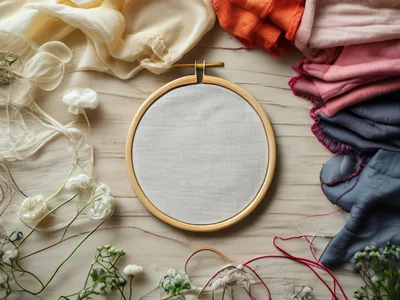
A hand holds a wooden hoop, pulling tautly over a scrap of linen to create a steady surface. This hobby involves using a needle and thread to create decorative patterns on fabric, offering a tactile way to express creativity.
Small-scale needlework allows a person to practice specific stitches without the exhaustion of a large tapestry. It is a meditative process where the repetitive motion of the needle becomes a way to relax.
Effective beginner embroidery small projects often use small hoops to limit the scope of work. This prevents the frustration of losing tension or running out of materials halfway through a massive piece.
Small projects are manageable, low-stakes tasks designed to help new crafters practice basic stitches without feeling overwhelmed by large fabric areas.
How to start with easy embroidery for beginners?
At dusk, I pull the rough cotton tight against the wooden hoop to prepare for my first beginner embroidery project.
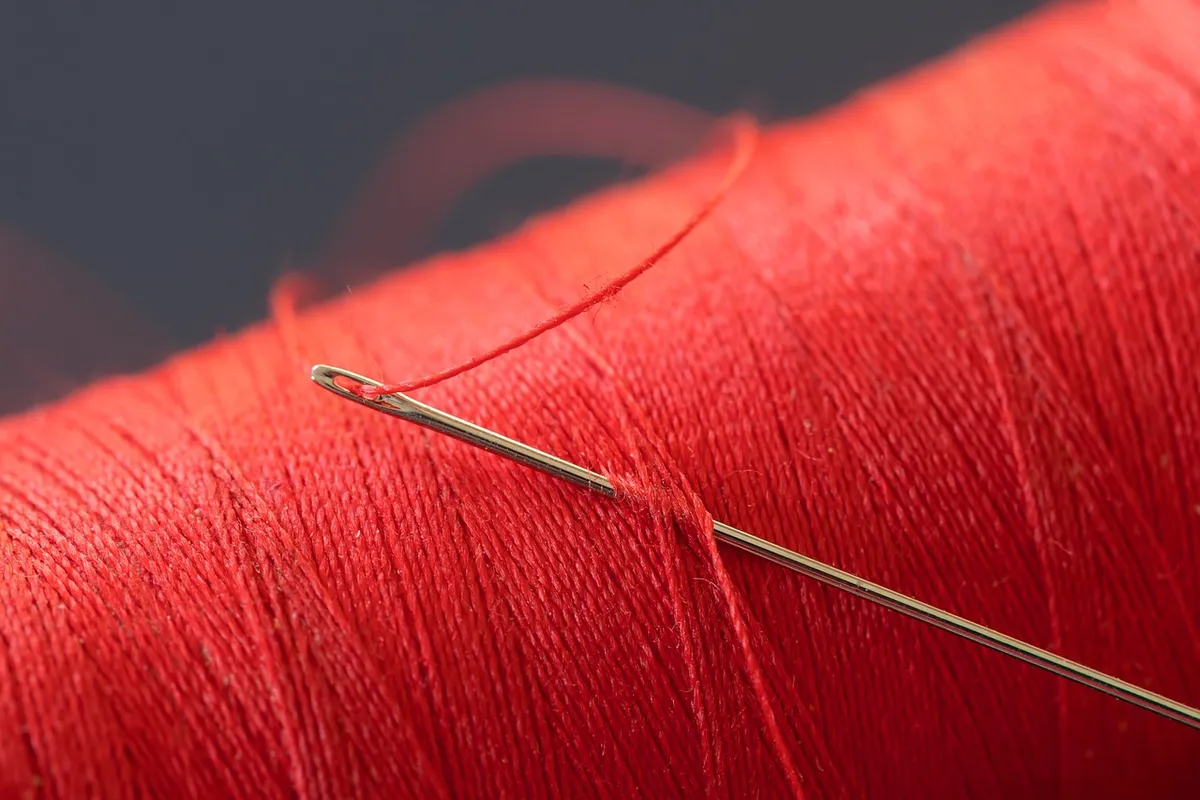
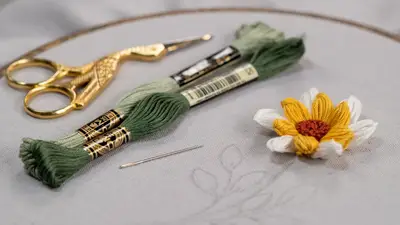
A single needle rests on a wooden table next to a small pile of colorful thread. To begin, one must select a simple design that uses basic running or backstitches to build confidence.
The first step is choosing a small, stable fabric like cotton or linen. Using a small hoop ensures the tension remains consistent, which is vital for those just learning to control thread tension.
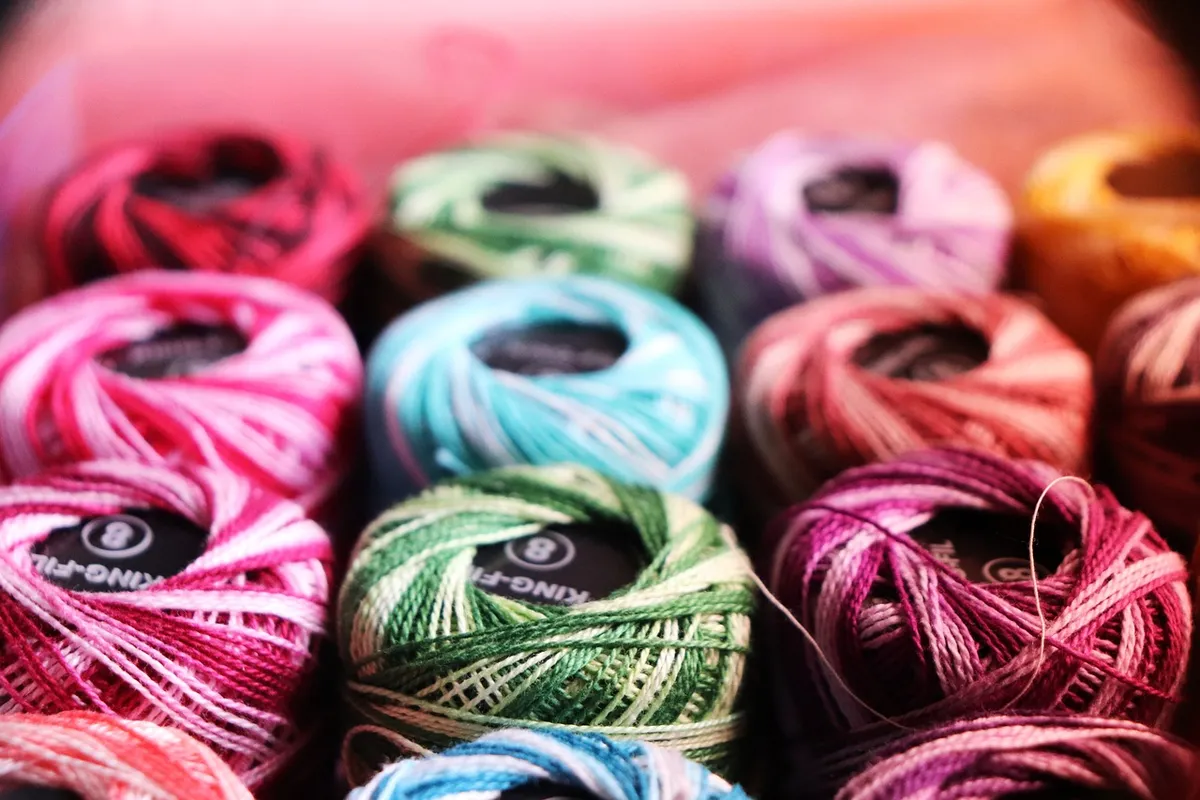
Beginners should start with geometric shapes or simple floral outlines. These designs provide immediate visual satisfaction while teaching the fundamental mechanics of how thread interacts with the fabric.
- Select a stable, non-stretchy fabric like cotton.
- Secure the fabric tightly in a small hoop.
- Practice basic stitches like the running stitch or backstitch.
What are the best small craft for new hobbyists?
A hand carefully pulls a bright blue thread through a piece of white fabric, creating a tiny star. Choosing small items like coasters, handkerchiefs, or even decorated patches makes the learning process feel productive and tangible.
Small craft for new hobbyists works best when the project serves a functional purpose. A decorated napkin or a small wall hanging provides a sense of accomplishment that larger, unfinished works cannot offer.
Working on small items helps a person master the "feel" of the needle. This tactile feedback is essential for understanding how much tension to apply to the thread to avoid puckering the fabric.
Miniature embroidery, such as decorating handkerchiefs or small patches, serves as an excellent entry point for those looking to develop fine motor skills.
How to manage a simple needlework starter kit?
A colorful kit sits open on a desk, revealing organized spools of thread and various needle sizes. A starter kit usually includes a hoop, needles, embroidery floss, and a piece of fabric, providing everything needed for an initial session.
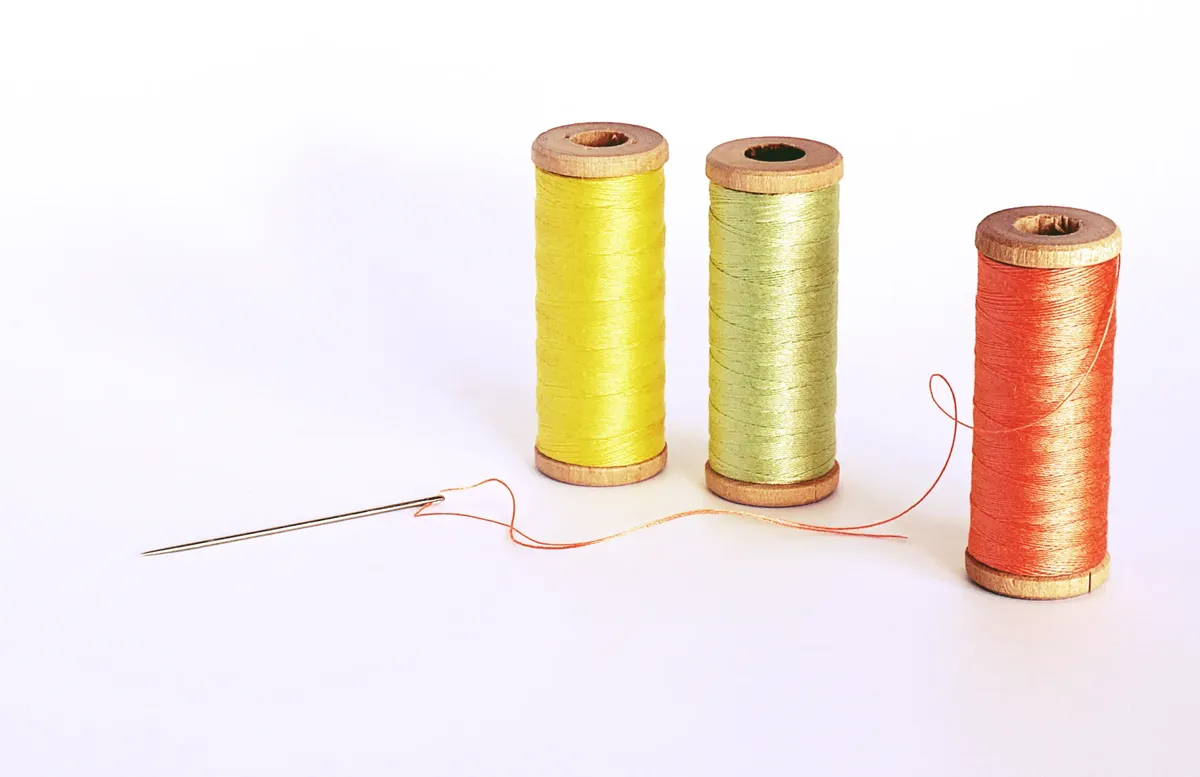
A simple needlework starter kit should focus on quality over quantity. It is better to have a few high-quality needles and strong, vibrant threads than a massive collection of cheap materials that break easily.
When using a kit, the goal is to learn the relationship between the needle size and the fabric weight. This foundational knowledge allows for much greater freedom when moving toward custom supplies later.
In this sequence, the second step is the most extensive.
What are some first embroidery project ideas?
A small hoop sits on a windowsill, catching the morning light through its delicate floral stitching. For those looking for ideas, decorating a plain pillowcase or creating small botanical studies on fabric scraps are excellent entry points.
First embroidery project ideas should always be achievable within a few sitting sessions. This ensures that the momentum of the hobby is maintained through frequent small successes.
| Project Type | Primary Benefit |
|---|---|
| Fabric Coasters | Teaches tension and edge finishing |
| Small Patches | Teaches density and color blending |
I once spent an entire afternoon just practicing a single leaf shape on a scrap of fabric to see how the light hit the thread. This kind of low-stakes practice builds the muscle memory required for more complex designs.
Simple ideas include floral motifs on tea towels, personalized initials on napkins, or small decorative patches for denim jackets.
How to use a budget friendly craft starting tips?
A thrift store finds a vintage linen cloth that serves as a perfect canvas for new stitches. Using budget friendly craft starting tips means looking for second-hand materials or repurposing old clothing to avoid high upfront costs.
One can find excellent value by purchasing individual skeins of floss rather than pre-packaged sets. This allows for a more curated color palette that matches the specific needs of a chosen design.
A limitation of using exclusively repurposed materials is that older fabrics may have varying levels of thickness or wear, which can affect stitch consistency.
Focus on purchasing multi-colored thread packs and versatile needles rather than specialized tools to keep initial costs low.
This part also covers Low cost embroidery supplies guide.
This part also covers What to buy for first embroidery.
Related


Comments 0