Cheap stargazing guide: How to start with 50,000 won
"The night sky is not a luxury reserved for those with professional observatories; it is a vast, open canvas available to anyone willing to look up."
Key Takeaways: 1. Prioritize wide-field binoculars over cheap, low-quality telescopes to start. * Use mobile apps and star charts to learn constellations before buying gear. * Focus on dark-sky locations to maximize the impact of your low-budget night sky viewing.
How can I start with a cheap stargazing guide?
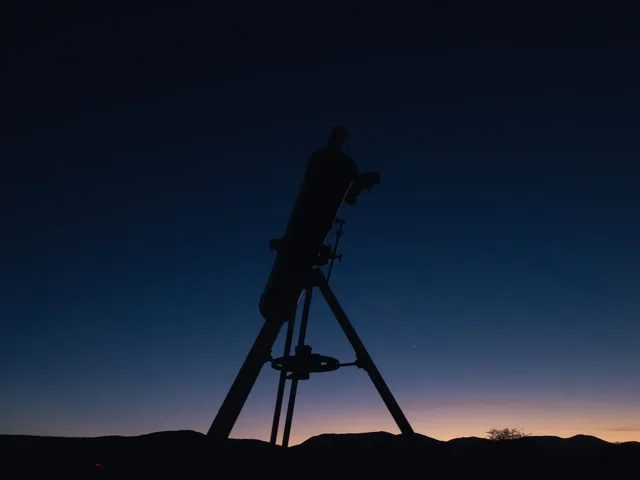
You stand in a quiet backyard, the cool night air brushing against your skin as you tilt your head toward the shimmering Milky Way. To begin a rep, you do not need a complex setup; instead, you should focus on learning the layout of the sky using your own eyes.
You can begin exploring the cosmos with a modest budget of around 50,000 by focusing on binoculars or even the naked eye first.
A budget-friendly approach involves using free star map applications on your smartphone to identify major constellations. This allows you to practice low cost astronomy start methods by locating bright objects like Jupiter or the Moon before spending money on hardware.
Once you recognize the landmarks of the sky, you will find that your eyes become much more efficient at spotting faint stars.
How much should I spend on my first set of gear?
At dawn in the garden, you grip the cold metal of a cheap pair of binoculars and squint toward the horizon.
You reach into a drawer and pull out a pair of standard binoculars, feeling the weight of the glass as you adjust the focus knob. Many enthusiasts believe they must buy a telescope immediately, but choosing binoculars is often a smarter way to begin home viewing for little cash.
Binoculars provide a wider field of view, making it much easier to locate objects than a high-magnification telescope. While a telescope might offer more power, binoculars allow you to see the landscape of the sky more naturally.
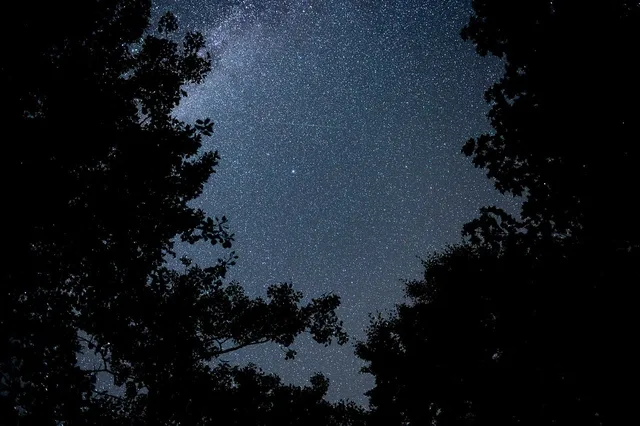
I found that using binoculars helped me navigate the constellations much faster than trying to peer through a narrow eyepiece.
| Equipment Type | Primary Benefit | Visibility Scope |
|---|---|---|
| Binoculars | Wide field of view | Large constellations and Moon |
| Entry Telescope | High magnification | Planets and lunar craters |
Can I start out with just simple viewing techniques?
The moonlight spills across a wooden deck as you sit quietly, waiting for your eyes to adjust to the darkness. Implementing simple viewing techniques first is essential to prevent eye strain and maximize what you can see.
To effectively observe the night sky, follow these three steps: 1. Allow your eyes at least 20 minutes to adjust to total darkness without looking at bright screens. 2. Use a red-light flashlight to check star charts, as red light does not ruin your night vision. 3.
Scan the sky in slow, sweeping motions rather than darting your eyes around quickly.
After completing these steps, check if the objects look clearer; if they do, you have successfully mastered basic adaptation.
Is there a way to find community support?
You browse an online forum, reading about the experiences of amateur astronomers from across the globe. Finding a community can turn a solitary hobby into a shared passion, providing access to collective knowledge.
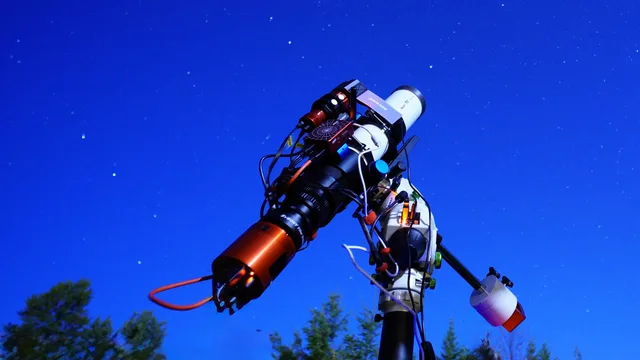
According to The International Astronomical Union, the organization comprises about 12,700 members from 92 countries who are involved in astronomical research at the PhD level and beyond (as of 2024).
According to The Astronomical Society of the Pacific, it is the largest general astronomical society in the world, comprising both professional and amateur astronomers as well as educators from 70 different nations.
The Astronomical Society of the Pacific is the largest general astronomical society in the world, comprising both professional and amateur astronomers as well as educators from 70 different nations. Joining such groups can provide guidance on where to find the best dark skies.
Engaging with others helps you understand the difference between casual watching and systematic observation.
What are the limitations of budget gear?
You peer through a small lens, trying to see the rings of Saturn, but the image remains slightly blurry due to atmospheric turbulence. Understanding the limits of your equipment is a key part of the learning process.
A significant limitation is that entry-level gear often lacks the stability required for high-magnification viewing. For example, even a small amount of wind or hand tremors can make the image jump wildly.
This condition means that while you can see the Moon clearly, seeing deep-space objects like distant galaxies remains difficult without a more substantial tripod or mount.

- Starting a stargazing hobby does not require a massive investment, as you can begin exploring the cosmos with a modest budget of around 50,000 by focusing on binoculars or even the naked eye first.
- This guide is for beginners who want to learn low-cost astronomy start techniques, compare basic equipment, and master simple viewing techniques first without breaking the bank.
- While you can see many wonders, please note that entry-level gear may struggle to resolve fine details of distant nebulae compared to high-end telescopes.
The subject here is Cheap stargazing guide.
The same subject is also called Beginner cheap star watch.
This part also covers Best entry level gear cost.
This part also covers Five thousand won budget tips.
Related
- Drone fun guide: Beginner drone fun for leisure
- Drone flight risks tips: Following local aviation guidelines
When should I consider upgrading my gear?
- You should consider upgrading your gear when the simple viewing techniques begin to feel restrictive, even when you are in a dark-sky location. The initial focus on the night sky should transition to seeking greater resolution when the current equipment cannot reveal the subtle structure of the objects you are interested in. Comparing the field of view of your binoculars to the potential of a small telescope can signal this readiness for advancement.
The condition for upgrading relates directly to the limitations of budget gear; when the inability to resolve fine details becomes a consistent frustration, it suggests the need for more substantial optics.
Remember that the initial goal was simply to access the night sky, not to replicate professional observatory capabilities.
If you find yourself repeatedly wishing for more power to view planetary details beyond what your current setup provides, that serves as a practical indicator that a comparison with a more advanced telescope is warranted.
This progression allows the hobby to move beyond basic identification into detailed study.







Comments 0