Drone fun guide: Beginner drone fun for leisure
Getting started with a home drone is about discovering a new perspective on your local surroundings through simple, recreational flight. This guide helps beginners navigate the transition from curiosity to active leisure by focusing on low-pressure enjoyment and structured skill development. You can enjoy the thrill of flight without expensive equipment, though you should remain mindful of local airspace regulations and privacy boundaries.
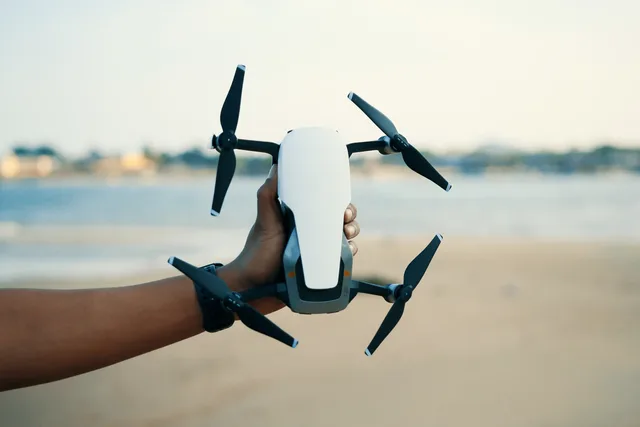
* Prioritize recreational fun over technical perfection. * Start with small, indoor-friendly models to minimize risk. * Focus on steady movement rather than complex maneuvers. * Understand that true mastery requires consistent, calm practice.
How can I have fun with drones as a beginner?
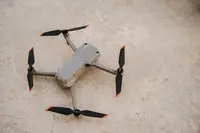
A small plastic drone rests on a wooden coffee table, its propellers waiting for a signal. The joy of this hobby lies in the ability to see your backyard or a local park from a height that was previously impossible.
You can use a small device to capture unique angles of a garden or a neighborhood street. This hobby offers a sense of freedom and a fresh way to engage with your immediate environment.
How to start your first time drone flying? Beginner drone fun
At sunset, you stand in a wide field and feel the cool breeze as you grip the controller to launch your first drone.
The goal is to find a quiet space where you can move the sticks without hitting trees or power lines.
Starting your first time drone flying requires a gentle approach to build muscle memory and confidence.
To begin your journey, follow these initial steps:
- Select a small, lightweight drone that is easy to repair or replace. 2. Practice hovering in one spot in a wide-open area. 3. Learn to move the device forward, backward, left, and right in small increments.
Once you have mastered basic hovering, check that your flight path remains clear of obstacles. I found that practicing in a park during low-wind afternoons made the learning process much smoother.
How can I use drones at home to relax?
The drone sits in its carrying case on a park bench, ready for a weekend outing. To maintain home drone leisure tips as a sustainable habit, focus on the experience rather than the footage. This means not worrying if every video is shaky or if you fly for only ten minutes.
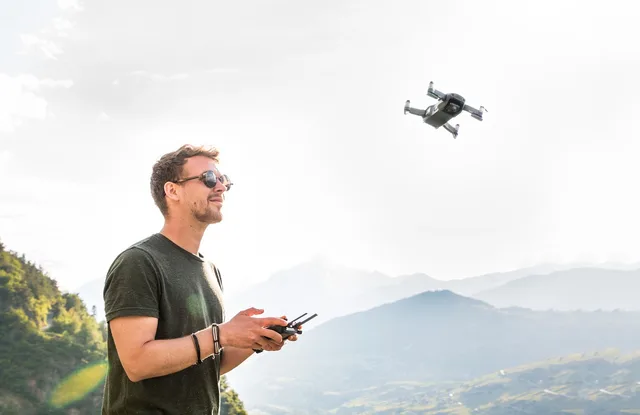
Using drone use for fun allows you to document small moments, such as a family picnic or a sunset. An easy drone hobby start involves setting small, achievable goals, like flying a perfect square pattern. This approach prevents the hobby from feeling like a chore or a high-stakes technical task.
Simple drone flying guide for steady progress
The controller feels firm in your hands as you prepare for a more intentional flight session. Following a simple drone flying guide helps you move from accidental movements to purposeful flight. This transition is where the hobby starts to feel truly rewarding.
To improve your control, try these methods:
- Practice "eye-to-drone" coordination by watching the device rather than the screen. 2. Execute slow-motion turns to understand the physics of momentum. 3. Record your flights to review your movement patterns later.
A drone routine for beginners should include regular, short sessions to keep your reflexes sharp. This helps you develop a sense of spatial awareness that makes flying feel natural.
Value of drone recreation in daily life
You watch the screen as the drone glides over a calm pond, capturing the reflection of the sky. The value of drone recreation is found in the meditative quality of controlled flight and the creative outlet it provides.
It offers a way to disconnect from digital stressors and reconnect with the physical world.
| Focus Area | Recreational Approach | Skill-Building Approach |
|---|---|---|
| Primary Goal | Visual discovery and relaxation | Precision and technical control |
| Success Metric | Finding a beautiful view | Executing complex flight paths |
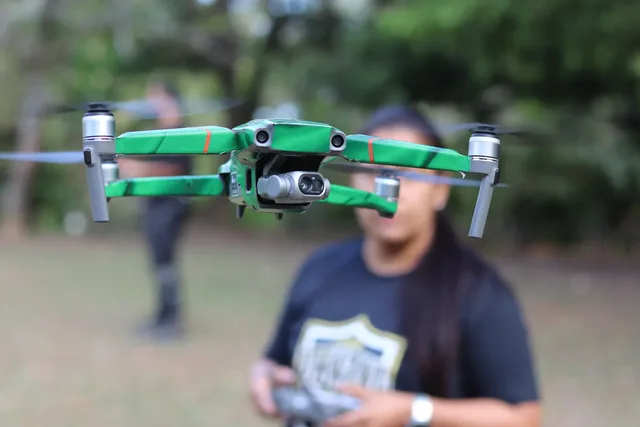
I often compare my early, clumsy flights to the steady, purposeful movements I make now. This comparison shows that progress is a slow but rewarding climb.
- It is not about high-speed racing or professional cinematography; it is about the simple satisfaction of guiding a machine through the air.
- Beginner drone fun involves exploring the visual world from a slightly elevated vantage point.
- You stand in a wide, grassy field, holding a lightweight controller while the sun begins to set.
The subject here is Beginner drone fun.
Related
- Drone flight risks tips: Following local aviation guidelines
- Drone flying near pool rules: Best tips for hobbyists guide
What cautions should I keep in mind when getting started?
- Always verify the operational limitations of your chosen drone model before taking off. 2. Remember that the initial phases of getting started emphasize gentle handling over aggressive piloting. 3. Maintain a respectful distance from people and property when flying your drone.
The inherent nature of this hobby demands that you remain mindful of local airspace regulations and privacy boundaries throughout your recreational flights. This caution applies even when you are just getting started with a small model.
How does consistent practice affect the learning process?
Consistent practice refines the connection between your physical input and the drone's aerial response. When you are getting started, short, regular sessions are more beneficial than infrequent, long ones. This repetition helps solidify the muscle memory needed for smooth flight.
For instance, reviewing recorded flights allows you to compare your current movements against prior attempts, which is a key part of the skill-building approach. This review process helps you identify where your control needs refinement.
The transition from accidental movements to purposeful flight relies heavily on this consistent engagement with the machine. This steady refinement is what makes the hobby rewarding as you continue getting started.
What is the difference between recreational and skill-building approaches?
The recreational approach prioritizes visual discovery and relaxation, allowing you to enjoy the simple satisfaction of guiding a machine through the air. Conversely, the skill-building approach demands precision and technical control over the flight path.
When you are getting started, you might focus on finding a beautiful view for recreation, whereas a skill-building focus would involve executing a perfect square pattern. These two goals guide how you approach each flight session.
The choice between these focuses dictates your success metric; one measures beauty, the other measures execution. This comparison helps frame your initial expectations for the hobby.





Comments 0