Beginner stargazing gear tips guide how to start viewing
Beginner stargazing gear should focus on accessibility and ease of use rather than expensive, complex telescopes. To start, you should prioritize simple tools like binoculars or a small refractor telescope to avoid the frustration of difficult alignment. This guide covers essential equipment, budget-friendly alternatives, and how to enjoy the night sky without getting overwhelmed by technicality. 1. Start with binoculars for a wide field of view. 2. Choose a simple telescope over complex computerized models. 3. Use a star map or app to navigate the sky. * Prioritize comfort with a good chair and warm clothing.
What's the best gear to start stargazing?
You stand in a dark field, tilting your head back to catch the first glimmer of a distant star. Selecting the right beginner stargazing gear means finding a balance between magnification and usability.

Many newcomers make the mistake of buying a massive, expensive telescope that is too heavy to move and too difficult to aim.
Instead of a heavy tripod, consider starting with high-quality binoculars. They offer a wider field of view, which makes it much easier to locate constellations and the moon. If you prefer a telescope, look for a small refractor or a tabletop Dobsonian.
These models are stable and much easier for a novice to manipulate without specialized training.
Is there a scope that's easy for beginners?
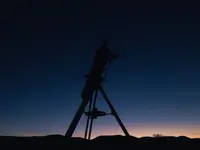
The cool night air hits your face as you unfold a tripod in the grass. Finding an easy scope for new observers involves looking for manual adjustments rather than automated tracking systems.
While computerized mounts are impressive, they often require significant setup time and technical knowledge that can kill the initial joy of the hobby.

A manual telescope allows you to learn the actual movement of the sky. You will find that a simple setup helps you understand how to center an object before you worry about following its path. Using a basic instrument helps you build the muscle memory needed to navigate the celestial sphere.
This approach ensures that the focus remains on the beauty of the stars rather than the mechanics of the machine.
Can I find cheap viewing tools?
You sit on a folding chair, holding a small device while looking up at the Milky Way. Many people assume astronomy requires a massive investment, but you can find effective cheap viewing tools to begin your journey.
Binoculars are often the most cost-effective entry point because they serve multiple purposes, such as birdwatching or hiking.
A budget-friendly starter astronomy kit might simply consist of a pair of 10x50 binoculars and a printed star chart. This setup allows you to see craters on the moon and the moons of Jupiter without spending hundreds of dollars.
By starting small, you can test your interest in the hobby before committing to more expensive hardware.
How to start your first viewing session?
The wind picks up, and you reach for your thermos to stay warm during the observation. Setting up your first session requires a bit of preparation to ensure you don't spend the whole night struggling with equipment. Follow these steps to ensure a smooth experience:

- Choose a location away from bright city lights to improve visibility. 2. Download a star map app or bring a physical planisphere to identify constellations. 3. Prepare your physical comfort by bringing a reclining chair and extra layers of clothing.
After completing these steps, perform a final check of your equipment to ensure all lenses are clean and batteries for your flashlight are full. I found that having everything organized before the sun goes down made my first night significantly more relaxing.
What are the best alternative to big scope options?
You lean forward, peering through a small lens at a bright cluster of stars. If you are looking for an alternative to big scope setups, consider the benefits of a wide-field view. Large telescopes often have a very narrow field of view, making it easy to "lose" the object you are trying to find.
Using binoculars or a small wide-field refractor allows you to see the context of the sky. You can see how a star cluster sits within a specific constellation, which helps with long-term learning. This method provides a sense of scale that high-magnification equipment often obscures.
| Equipment Type | Primary Benefit | Ease of Use |
|---|---|---|
| Binoculars | Wide Field of View | High |
| Small Refractor | Clarity and Portability | Medium |
Common mistakes and limitations

You squint through the eyepiece, trying to adjust the focus in the dim light. One major limitation of beginner gear is that small lenses cannot reveal deep-space objects like faint nebulae that require massive light-gathering power.
Even the best entry-level equipment will struggle to show extremely dim objects located in the far reaches of the galaxy.
The same subject is also called Budget night sky gear.
This part also covers Best entry level telescope.
This part also covers What to buy for first view.
Related
- Drone tips: Beginner drone flight time tips guide for best
- Drone 5 minutes flight time Beginner drone flying tips tips
What conditions should I look for in beginner stargazing gear?
- Ensure the chosen equipment provides a field of view that is wide enough to easily locate objects. 2. Verify that the instrument allows for simple, manual adjustments to aid in object centering. 3. Confirm that the gear is portable enough for the beginner to comfortably transport to a dark viewing area.
The design of your beginner stargazing gear should support learning the sky's structure, which manual instruments facilitate. A stable setup is a condition that allows the observer to concentrate on the celestial features rather than equipment wobble.
This focus on foundational understanding is a key aspect of successful beginner stargazing.
How does equipment choice affect the learning process?
The selection of beginner stargazing gear dictates the initial learning curve for the hobbyist. A simple refractor, for instance, helps build muscle memory regarding object tracking because its mechanics are straightforward.
Conversely, a complex computerized model introduces technical hurdles that distract from observing the actual night sky. Therefore, the ease of manipulation is a critical condition when making a purchase.
Choosing binoculars first allows the beginner to practice locating constellations across a broad area. This wide perspective offers a comparison point against the narrow view of a high-power scope.
The initial experience with accessible tools prepares the observer for future, more involved stargazing endeavors.






Comments 0