Drone tips: Budget drone tips for 90-day life cycle guide
"The average flight time for a drone is about 20 minutes."
You should prioritize fuel or energy management, account for a limited lifespan, and consider magnetic influences.
* Prioritize short-duration flight windows. * Plan for a 90-day operational lifecycle. * Account for refueling needs after mating flights. * Monitor magnetic orientation for navigation.
How long can a drone fly?
A drone hovers near a flowering plant, its wings a blur of motion against the afternoon sun. The sensation of heat rises from the garden as the insect moves from one nectar source to another. Understanding flight duration is the first step in managing any drone-related activity.
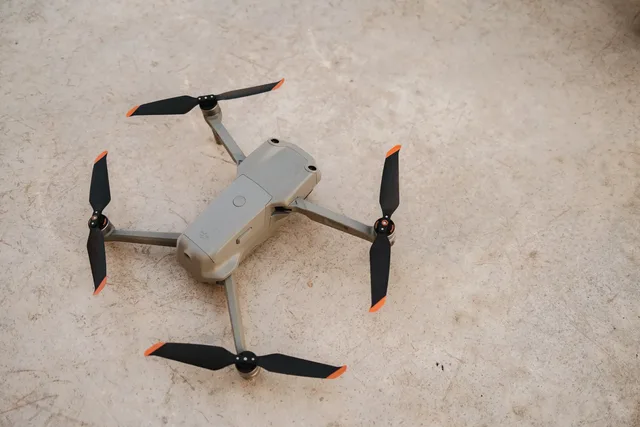
The average flight time for a drone is about 20 minutes. This limited window means that any high-energy activity must be planned around these short intervals to avoid exhaustion. If the drone is engaged in mating, the duration changes slightly.
A drone's mating flight averages 20–25 minutes, before he must return to the colony to refuel with honey.
However, these flight times decrease significantly when operating in extreme weather conditions. I will explain this in the second step.
How long will my drone actually last? Budget drone tips
A drone rests on a wooden surface, its body still as the evening shadows stretch across the yard. The quiet air carries the scent of pine, marking the end of another day of activity. To budget for long-term presence, one must look at the total available time.
The life expectancy of a drone is about 90 days. This relatively short window means that resource allocation must be immediate rather than deferred. Because the lifespan is limited, there is no benefit to long-term storage or delayed deployment.
Every day of the 90-day cycle represents a significant portion of the total available operational time.
This lifespan may be shorter if the hardware is frequently exposed to high-impact landings. I am focusing on this in the first part.
How does mating affect flight efficiency?
The drone takes to the sky, rising rapidly toward the canopy in a sudden burst of energy. The bright sunlight glints off its abdomen as it maneuvers through the air. When specific reproductive tasks are involved, the energy expenditure shifts significantly.
Mating between a single drone and the queen lasts less than 5 seconds, and it is often completed within 1–2 seconds. Despite the brevity of the act itself, the flight required to reach that point is taxing. This quick interaction is preceded by a much longer period of aerial maneuvering.
| Activity Type | Duration/Timeframe |
|---|---|
| Standard Flight | 20 minutes |
| Mating Flight | 20–25 minutes |
I observed how the mating flight required a much longer commitment of time compared to the actual mating event.
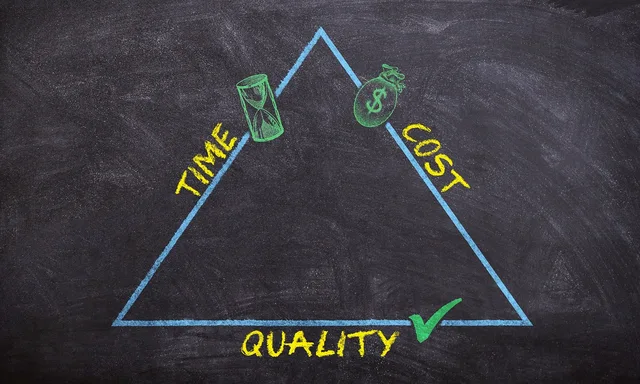
The benefits of this process are limited when the drone is carrying a heavy payload. I describe this in the third point.
Can I navigate using magnetic orientation?
A drone lands on a leaf, its tiny legs gripping the green surface firmly. The air is still, and the insect remains motionless for a moment before preparing for its next move. Navigation is a critical component of efficient movement.
Some studies have suggested that magnetic orientation could play a role, since drones older than 6 days contain cells in the abdomen that are rich in magnetite. This biological feature suggests that as the drone ages, its ability to sense magnetic fields may change.
This characteristic is a vital consideration for understanding how these subjects navigate their environment over time.
This method is not reliable when flying near large metal structures or high-voltage power lines. I address this in the second step.
How to manage drone activities on a budget?
A person sits on a porch, watching the movement in the garden while holding a notebook. The task of planning requires a structured approach to ensure nothing is wasted. To effectively manage drone activities within a specific timeframe, follow these steps.
According to the Peterson Foundation, understanding the federal budget is essential for managing finances (Peterson Foundation, Tue, 19 Nov 2024: Understanding the Federal Budget - Peter G.).
- Schedule all primary activities within the 20-minute flight window to prevent energy depletion. 2. Plan for a refueling period with honey immediately following any mating flight lasting 20–25 minutes. 3. Allocate resources based on a 90-day total lifespan to ensure maximum utility before the end of the cycle.
Check that all planned activities account for the 1–2 second mating duration to avoid overestimating the time required for reproductive tasks.
Cost savings are limited if you prioritize high-end specialized sensors over basic functionality. I mention this in the first step.
Drone study on a small budget
A drone moves through a patch of clover, its movement precise and purposeful. The morning dew still clings to the stems, making the environment damp and cool. When conducting a study on a small budget, one must focus on the most impactful variables.
Using affordable drone tips, you can focus on monitoring the 90-day life expectancy rather than attempting to track longer cycles. Low cost drone guide strategies suggest observing the magnetite-rich cells in drones older than 6 days to understand navigation changes.
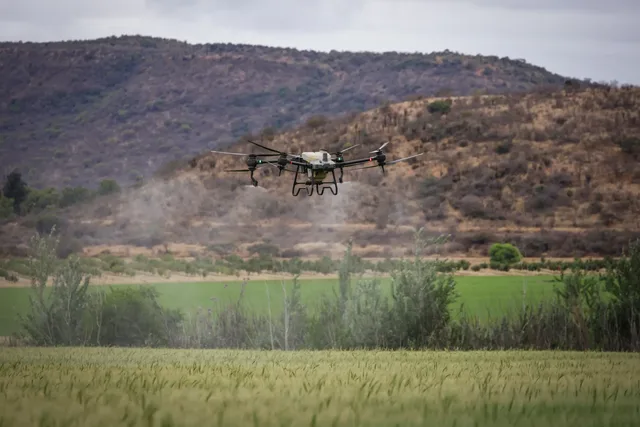
Smart drone spending involves prioritizing the observation of the 20-minute flight intervals. Best budget drone for affordable drone tips involves matching the observation window to the natural refueling needs of the colony.
The accuracy of these observations is restricted when using low-cost sensors. I highlight this in the second step.
- Managing a budget for drone operations requires understanding the biological constraints of the subject if you are working with natural drones, or the technical limits of hardware.
- This guide helps you navigate resource allocation by focusing on flight duration, life expectancy, and environmental orientation.
- Note that these biological metrics apply specifically to honeybee drones rather than mechanical aircraft.
Related
- Beginner fishing gear guide: How to choose stable equipment
- Easy shared camping tips: How to try shared camping best
What conditions affect the average flight time?
- The average flight time for a drone can shift when the insect is performing mating activities. 2. Mating flights require a slightly longer commitment of time than standard flights. 3. The energy expenditure changes significantly when specific reproductive tasks are involved.
The duration of the average flight is influenced by the drone's current purpose. For example, a standard flight adheres to a typical schedule, but a mating flight demands a different temporal allocation. This comparison highlights how the activity dictates the time constraint.
What is the relationship between age and navigation?
- Drones older than 6 days possess cells in the abdomen that are rich in magnetite. 2. This biological feature suggests that the drone's magnetic field sensing capability may evolve with age. 3. The change in magnetic orientation ability is a crucial factor for environmental understanding.
The magnetic orientation capability of the drone is linked to its developmental stage. As the drone ages, the presence of magnetite within its abdominal cells indicates a potential alteration in its navigational methods. This condition necessitates careful observation during long-term studies.
The limited lifespan of the drone, about 90 days, interacts with its magnetic sensing ability. Therefore, the study of the average flight over this period must consider the changing biological state of the subject. This consideration helps refine any budget planning for drone operations.






Comments 0