Cheap leather craft start: How to begin this hobby
"Crafting with leather does not require a workshop full of expensive machinery or rare hides to begin."
Starting a leather craft hobby does not require a massive investment or professional-grade hides. You can start a cheap leather craft hobby by using basic hand tools and small scrap pieces of material.
This guide covers essential supplies, budget-friendly alternatives, and how to enjoy the process without financial pressure.
What is leather craft?
Sitting at a wooden desk with a single piece of leather, you realize the tactile joy of shaping something useful by hand. Leather craft is the art of cutting, stitching, and assembling animal hides or synthetic materials into functional items like wallets, keychains, or cardholders.
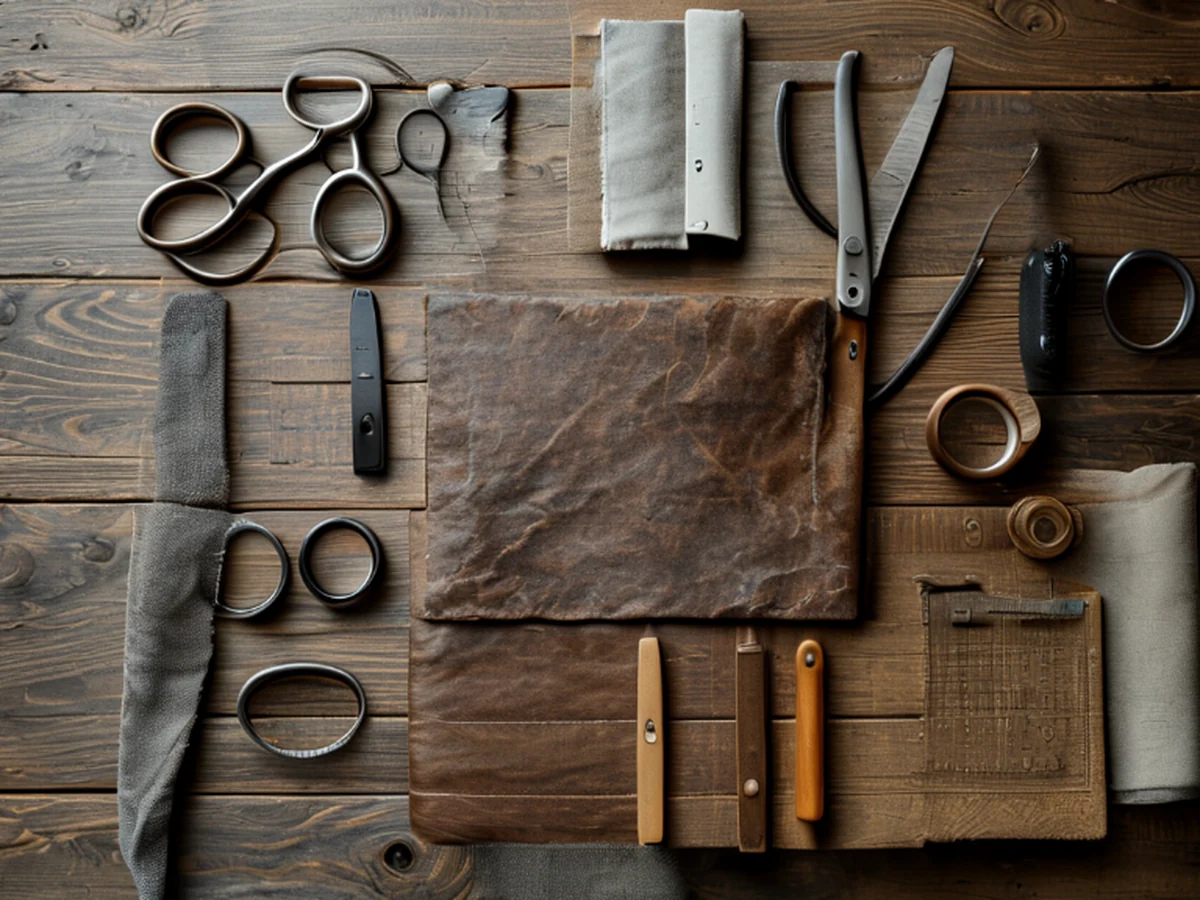
The hobby offers a unique sense of accomplishment because you transform a flat sheet into a three-dimensional object. It combines precision with creativity, allowing you to own something you made yourself.
For many, the appeal lies in the sensory experience of the material and the permanence of the finished product.
Leather craft is the art of transforming raw hides into functional and decorative objects through techniques like cutting, stitching, carving, and assembly.
How to start a low budget leather hobby?
In the quiet of the morning, you grip a small cutter at your kitchen table to test the edge of a cheap remnant.
Picking up a small cutter and a ruler, you feel the potential of a single scrap of material. A low budget leather hobby focuses on mastering fundamental techniques like cutting straight lines and hand-stitching before moving to complex designs.
You can start by focusing on small, manageable projects that use minimal material. Learning to work with small pieces helps you understand how grain direction and thickness affect the final result. This phase is about building muscle memory rather than creating masterpieces.
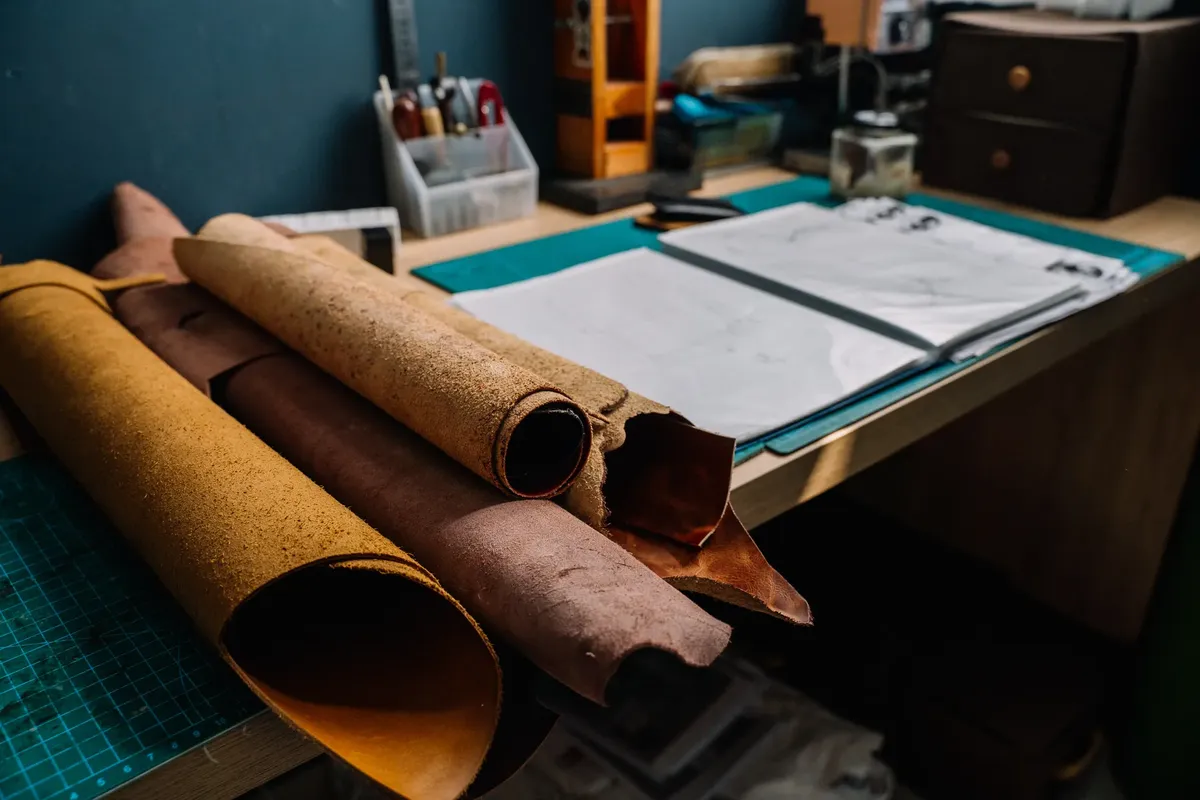
A beginner leather supplies kit often includes the basics needed for small tasks. Instead of buying full hides, look for "remnant" or "scrap" packs which provide enough material for several small projects. This allows you to practice without the fear of wasting expensive leather.
- Start with a small, single piece of leather to minimize waste and initial costs.
- Focus on learning fundamental hand-stitching techniques before investing in heavy machinery.
- Scour local craft stores or online marketplaces for basic starter kits to avoid buying unnecessary high-end equipment immediately.
What are the essential affordable leather craft supplies?
In the quiet morning light, you grip a sharp utility knife to test the edge of a cheap remnant on your cutting mat.
Laying out a few basic tools on a cutting mat, you see that you do not need a heavy-duty sewing machine to be productive. An affordable leather craft approach relies on hand tools that are durable and versatile.
The following items form a solid foundation for a beginner: 1. A sharp utility knife or rotary cutter for clean edges. 2. A heavy-duty metal ruler to guide your cuts. 3. A set of stitching chisels or pricking irons to create consistent holes.
A self-healing cutting mat is also a vital investment to protect your surfaces and ensure accuracy. While professional kits can be pricey, these basic tools allow for a wide variety of simple projects. Using these tools, I found that even small scraps could be turned into functional cardholders.
Beginners should prioritize a sharp utility knife, a basic set of stitching chisels, waxed thread, and a few versatile needles to cover most basic projects.
How to enjoy the process through DIY leather craft for beginners?
Holding a finished keychain, you smile at the small but meaningful success of your first project. Engaging in DIY leather craft for beginners means prioritizing the joy of creation over the perfection of the final product.
To keep the hobby fun, set small, achievable goals. Instead of aiming for a full-sized bag, try making a simple cord organizer or a single-slot cardholder. These quick wins keep your motivation high and prevent frustration.
Sharing your progress with friends or online communities can also add a layer of social enjoyment. Documenting your journey through photos helps you see how much you have learned over time. The goal is to enjoy the rhythm of the work, not just the end result.
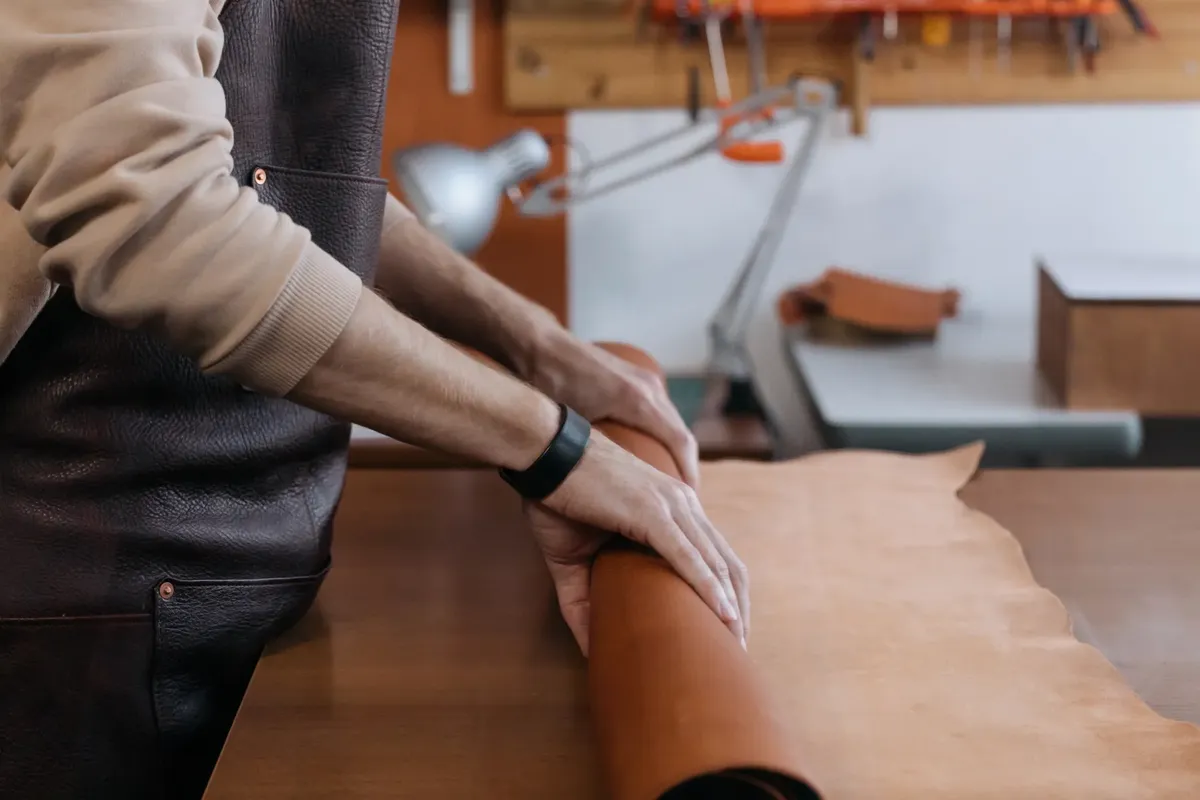
Focus on the tactile satisfaction of working with the material and set small, achievable goals to maintain motivation without feeling overwhelmed.
How to improve your skills with best cheap leather tools?
Observing the clean lines of a well-stitched seam, you recognize the importance of repetitive practice. If you want to move beyond simple projects, you can focus on refining your technique with the best cheap leather tools available.
- Practice edge finishing to achieve smooth, professional-looking borders. 2. Master the "saddle stitch" to ensure your hand-sewn items are durable. 3. Experiment with different thicknesses of leather to learn how they behave under tension.
Refining these skills requires patience and consistent practice. As you get better, you can gradually upgrade to slightly more specialized tools. Always remember that skill development is a gradual process of moving from simple to complex tasks.
Practice consistent pressure when using chisels and maintain sharp blades to ensure clean cuts, as precision is more important than expensive branding.
Common mistakes and limitations for beginners

Clearing away the excess scraps from your workspace, you realize that not every project will turn out perfectly. Beginners often make the mistake of buying too much material at once or choosing leather that is too thick for their hand tools.
One common issue is using a knife that is too dull, which leads to jagged edges and wasted material. Another mistake is attempting complex patterns before understanding how the leather folds and holds shape.
A significant limitation is that hand-stitching and manual cutting take much longer than machine-based methods. This means your initial projects will require more time and patience than you might expect.
Avoid buying large quantities of expensive leather before mastering basic cuts, and do not overlook the importance of proper edge finishing, which can make a budget project look professional.
Related
When should I consider upgrading my leather tools? Upgrading your leather tools becomes sensible when your current basic tools begin to impede your ability to execute desired techniques. For instance, if achieving consistently smooth edge finishing becomes difficult with your current utility knife, a sharper or more specialized blade warrants consideration. Similarly, if the pricking irons do not allow for the uniform hole spacing required for a strong saddle stitch, investing in better irons can improve the quality of your leather crafting.
What are the safety considerations in leather crafting? Safety precautions are important when handling sharp implements used in leather crafting. Always ensure your cutting mat is in place when using a rotary cutter to protect your workspace surface. When using knives, always cut away from your body to prevent accidental nicks. Furthermore, if you are working with chemicals for finishing, proper ventilation is a necessary caution.
The tactile joy of leather crafting is enhanced when the tools feel right in your hand. A comfortable grip allows for better control during the precise cuts required for small leather projects. This improved control directly translates to cleaner lines in the final piece of leather.
When comparing the time investment, manual leather crafting demands significant patience compared to automated methods. Recognizing this time commitment upfront helps manage expectations for the initial stages of your leather hobby.




Comments 0