What is the first step in character making?
"A character is more than just a sketch on a page; it is a living soul waiting to be breathed into existence through your unique vision."
Creating your own character starts with defining a core concept and then layering personality and visual traits onto that foundation. This guide covers the basics of concept building, simple design steps, and how to avoid overcomplicating the process to keep the joy of creation alive.
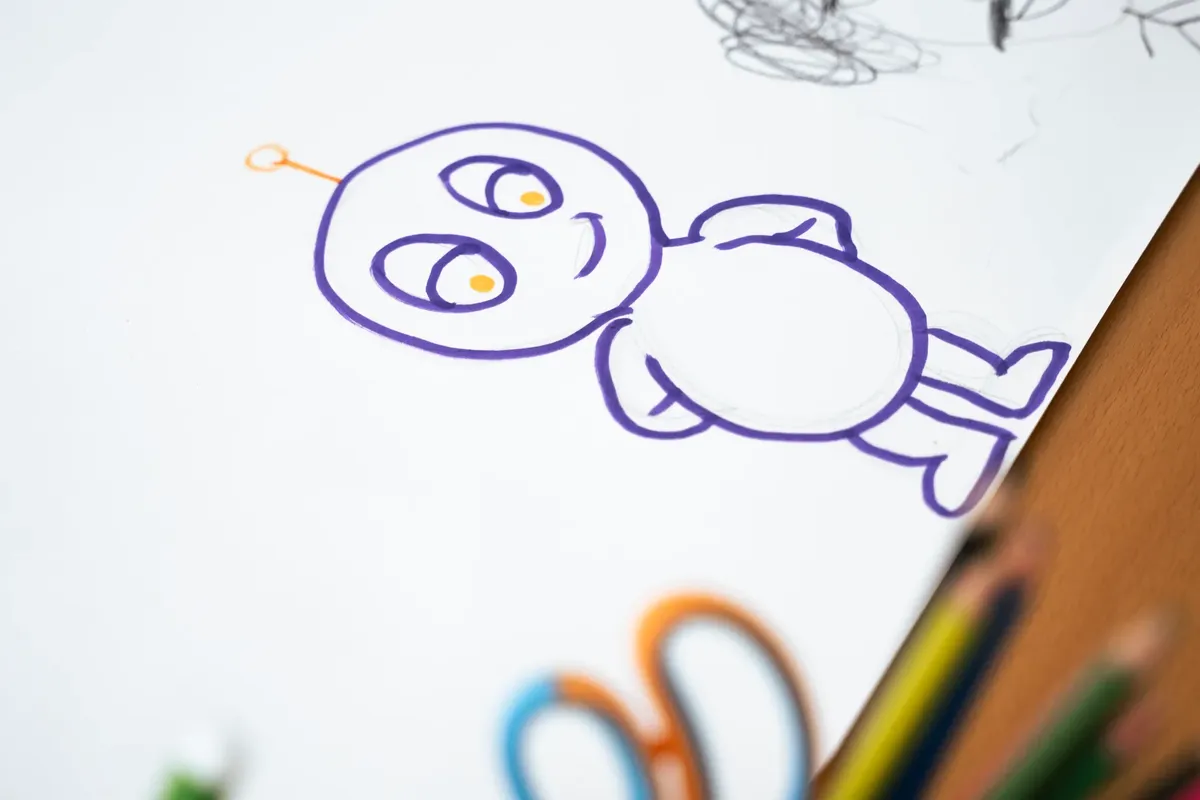
* Define a core concept before drawing. * Layer personality and visual traits. * Focus on simple shapes for beginners. * Avoid the trap of perfectionism.
What is the first step in character making?
At midnight, I grip my pencil tightly while staring at the blank page to decide on the first core concept.
A blank sheet of paper often feels intimidating when you sit down to start a new project. You stare at the white space, pencil in hand, wondering where a person's soul begins.
The first step is to establish a core concept rather than jumping straight into intricate details. Instead of worrying about hair color or eye shape, decide what the character represents or what their primary role is in a story.
This foundational idea acts as an anchor for every subsequent design choice you make.
A well-defined concept ensures that your character feels cohesive rather than a collection of random traits. By focusing on a central theme, you provide a direction for their clothing, posture, and expression. This prevents the design from becoming cluttered or losing its identity.
- Define the core personality traits.
- Establish the character's primary motivation.
- Outline the basic visual archetype.
How to make own character through simple design? Easy character creation guide
I remember sitting at my desk with a single charcoal stick, feeling overwhelmed by the idea of a "perfect" person. I realized that I didn't need a masterpiece; I just needed a silhouette.
To move from a vague idea to a tangible design, follow these simple character making steps:
- Sketch a basic silhouette using simple geometric shapes like circles, squares, or triangles. 2. Add one or two defining physical traits that reflect the character's personality. 3. Assign a specific color palette that reinforces the mood of the character.
Using shapes helps you establish a recognizable outline before you get lost in the details. A character with sharp, angular lines might feel aggressive or energetic, while rounded shapes suggest friendliness and softness. This approach allows you to build a recognizable identity quickly.
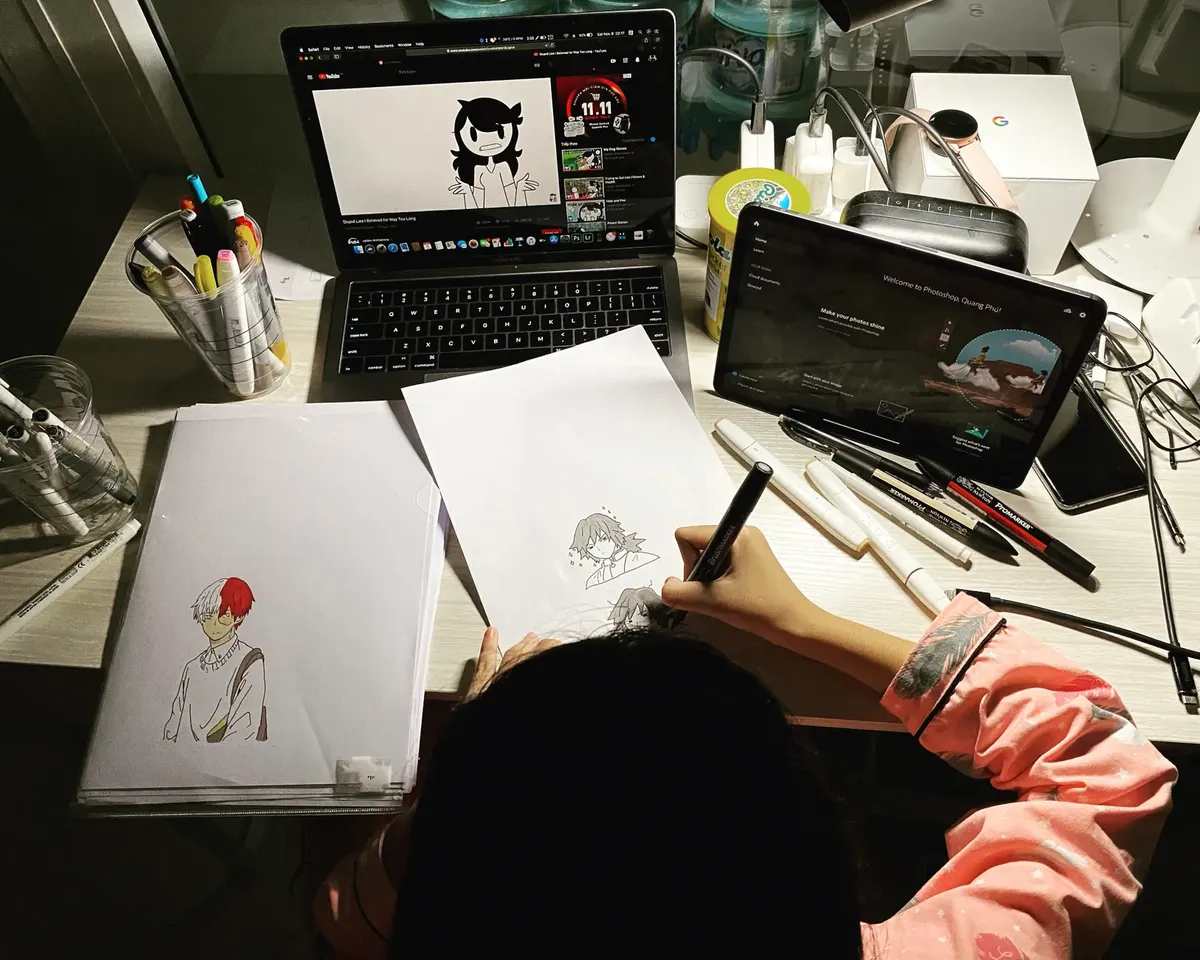
I find that the second step in this process is the most detailed.
What are some beginner character design tips?
A character stands in the middle of a room, looking much more real once you add a sense of history to their clothes. You might notice how a small scar or a worn-out boot tells a story without using words.
Effective beginner character design tips focus on intentionality rather than complexity. Every element you add should serve the character's identity or history. If you add a heavy cloak, it should be because they live in a cold climate or need to hide something.
Avoid the urge to add every possible detail at once. It is better to have a simple, readable design than a complex one that lacks a clear message. Keeping the design clean ensures that the character's personality remains the focal point.
How can I keep the process fun?
A messy desk covered in eraser shavings and rough sketches is the playground of a happy creator. You pick up a pencil, draw a quick line, and laugh at the silly expression you just created.
To keep the creative spirit alive, treat the process as an exploration rather than a chore. Focus on the joy of discovery and the act of expression rather than the final product.
| Approach | Focus | Goal |
|---|---|---|
| Concept-First | Personality and Theme | Cohesive Identity |
| Detail-First | Visual Complexity | Polished Aesthetic |
When you focus on the concept first, you build a character with depth. When you focus on details first, you might end up with a beautiful drawing that feels hollow. I find that the most memorable characters come from the messy, playful stages of sketching.
What should I avoid to prevent losing interest?
A finished drawing sits on the desk, but it feels empty because it lacks the spark you felt during the initial brainstorming. You realize that you spent too much time on the eyes and forgot to give the character a reason to exist.

The biggest mistake is letting perfectionism kill your momentum. If you spend hours perfecting a single strand of hair, you will quickly become exhausted and lose the desire to create.
A limitation of this early-stage approach is that highly detailed designs can become difficult to replicate consistently during repeated sketches.
The subject here is Easy character creation guide.
The same subject is also called Easy character creation process.
This part also covers Character making supplies list.
This part also covers Fun in character design process.
This part also covers Communication in character work.
Related
- Origami Tips: Easy origami for beginners guide
- Beginner embroidery budget guide: How to start needlework
How does concept definition affect the final character sketch? Concept definition provides the essential framework upon which the entire character sketch is built. This foundational idea guides the subsequent layering of personality and visual traits. A strong concept ensures that every choice made during the design process supports the character's central theme.
When the core concept is clear, the resulting character sketch feels unified rather than disparate. This unity influences how the character's posture and expression are rendered. It prevents the visual elements from seeming arbitrary or disconnected from the character's inner life.
Focusing on what the character represents first allows the artist to make deliberate decisions about their appearance. This deliberate approach is preferable to simply adding visual elements until the sketch feels complete.
What cautions should I keep in mind while sketching? One caution involves resisting the urge to achieve immediate perfection in the initial sketch. The initial sketch should prioritize recognizability over flawless execution. Remember that a simple, readable design communicates more effectively than an overly complex one.
Another caution relates to the danger of letting detail overwhelm the core concept. If the visual complexity becomes too great, the character may lose the simple, powerful message established by the initial idea. This loss of focus diminishes the character's impact.
It is important to remember that the process itself, including the messy initial sketch, contributes to the character's lived-in quality. Treating the creation as an exploration helps maintain the necessary creative momentum.




Comments 0