Origami Tips: Easy origami for beginners guide
"The art of folding paper requires only a single sheet and a steady hand to transform a flat surface into a three-dimensional form."
Beginners starting origami should focus on understanding basic creases and managing paper tension to create shapes without getting frustrated. This guide covers foundational techniques, essential materials, and how to balance creative enjoyment with technical skill.
What is origami?
A hand reaches for a square of colorful paper, smoothing it against a wooden table to ensure every edge is perfectly aligned. Origami is the traditional Japanese art of paper folding, where a single square sheet is transformed into sculptures through precise folds.
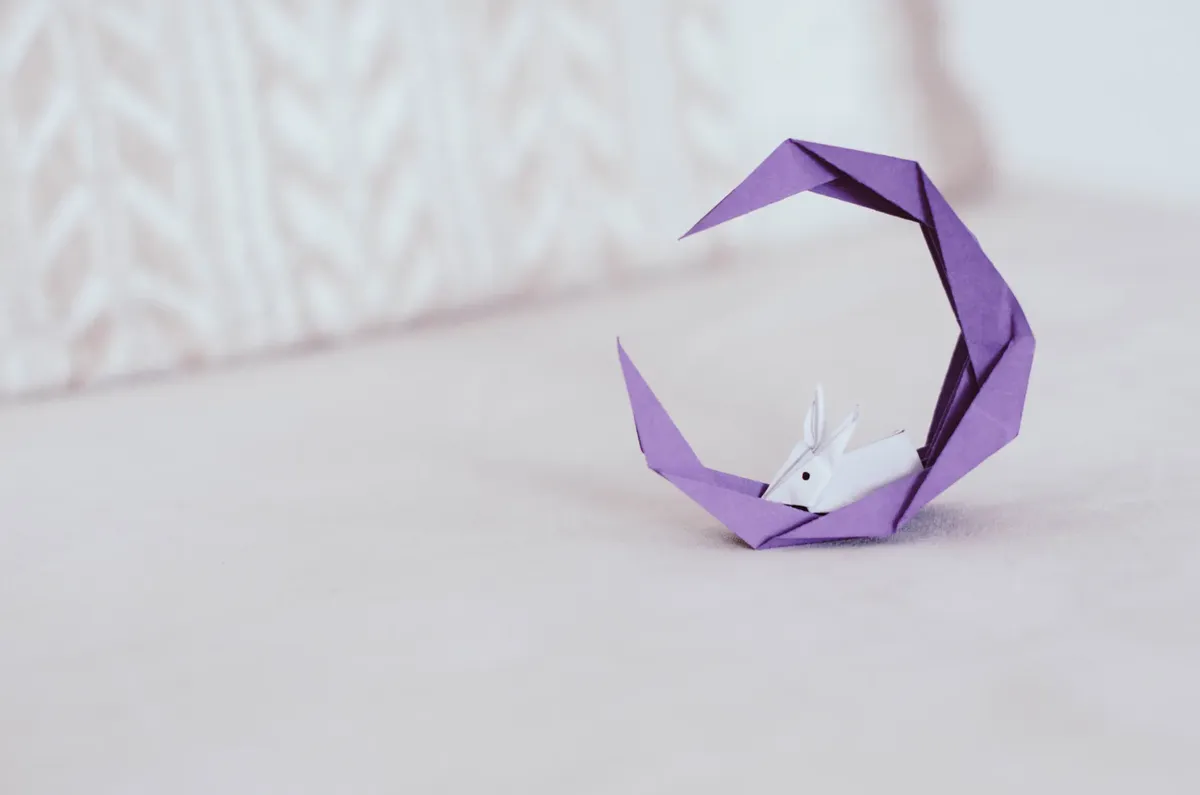
It offers a unique sense of tactile satisfaction as a flat object gradually gains depth and character.
The hobby provides a meditative escape through repetitive, rhythmic movements that focus the mind on the present moment. Unlike many crafts that require expensive kits, this activity relies on the geometric relationship between folds and the physical properties of the medium.
It is a pursuit of patience where the process of creation is often as rewarding as the final result.
However, the complexity of a design may be limited by the size of the paper used.
How do you start?
In the bright morning light, I press my thumb firmly against the paper to create a crisp crease for my first origami project.
A person sits at a desk, carefully aligning the corners of a piece of paper to create the first diagonal crease. Starting this journey requires a clear roadmap to move from simple shapes to more complex models without losing interest.
- Begin with basic geometric folds such as the valley fold and the mountain fold to understand how paper reacts to pressure. 2. Practice simple models like the traditional crane or a jumping frog to master symmetrical alignment. 3. Gradually move toward modular origami, which involves folding multiple identical pieces to fit together into larger structures.
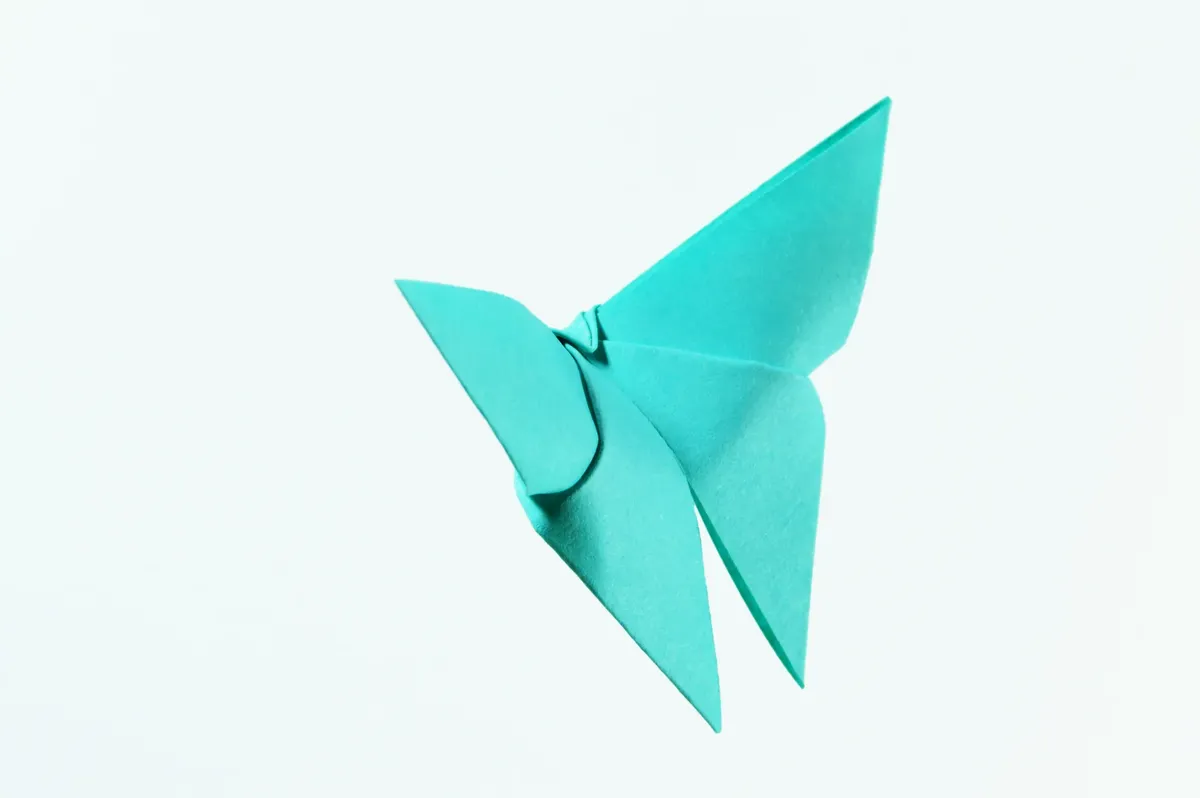
I remember my first attempt at a paper crane, feeling the crisp snap of the paper as the final wing took shape. Mastering these fundamental movements allows a practitioner to transition from following instructions to understanding the underlying geometry of the craft.
- Select a square piece of paper.
- Follow the crease lines carefully.
- Complete the final folds to form the shape.
What are the necessary supplies?
I grab a stack of thin paper from the desk, feeling the smooth texture as I prepare my origami supplies.
A stack of colorful paper sits on a workspace, ranging from thin decorative sheets to thicker construction paper. While the hobby is low-cost, choosing the right medium can significantly impact the ease of folding.
The most common tool is origami paper, often called kami, which is thin, holds a crease well, and features different colors on each side. For beginners, using slightly thicker paper can help maintain structure, while very thin paper is better for advanced, miniature work.
| Material Type | Best Use Case |
|---|---|
| Standard Kami | Basic shapes and repetitive practice |
| Washi Paper | Decorative and artistic projects |
Using a bone folder or a smooth ruler can assist in making sharp, clean creases when working with heavier stocks. Keeping a dedicated workspace free of clutter ensures that the paper remains flat and uncontaminated by moisture or oils.
I find that the second item on this list is the most essential.
How to enjoy the process?
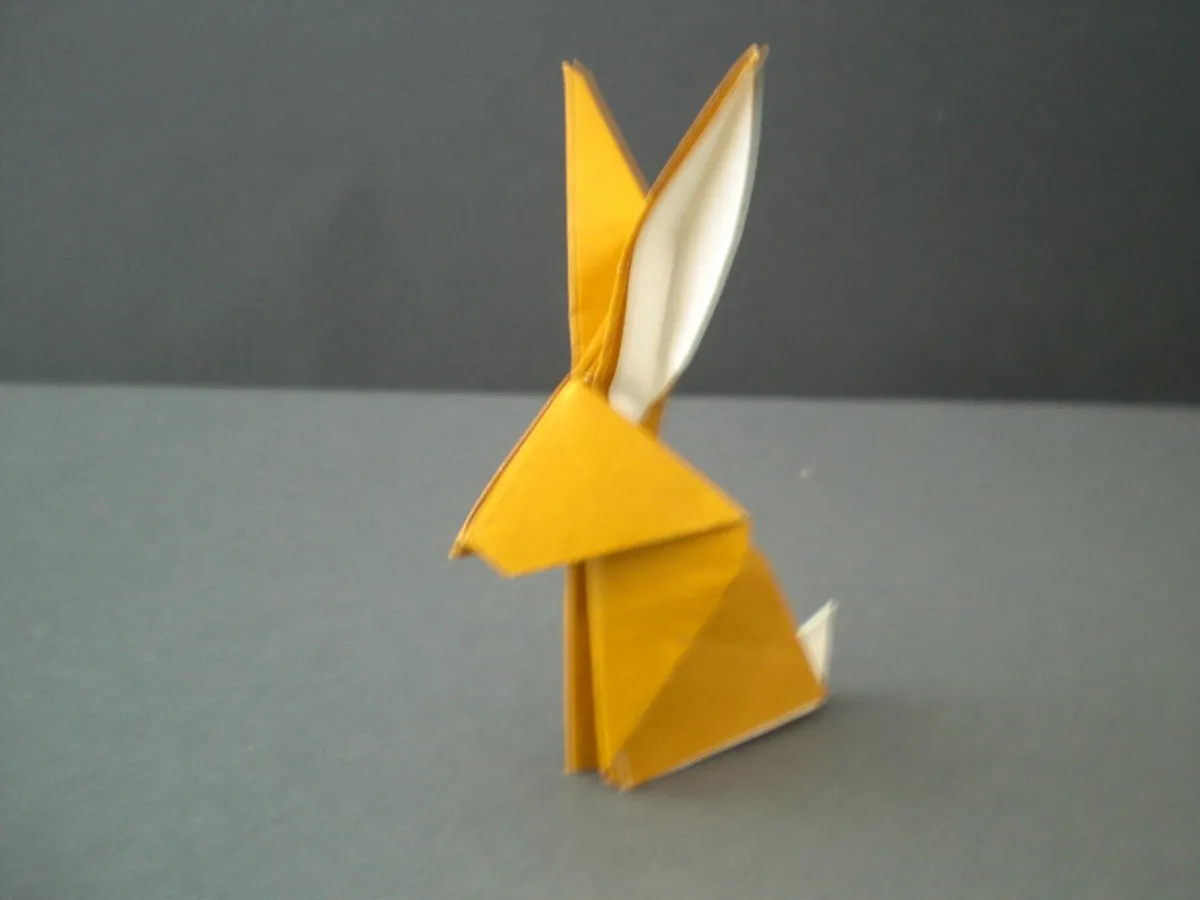
A quiet room is filled with the soft sound of paper sliding against paper as a folder works on a small project. To keep the hobby engaging, it is vital to separate the joy of making from the pressure of perfection.
To enjoy the hobby, focus on the tactile sensation of the paper and the satisfaction of completing a single piece. You can experiment with different patterns or colors to make each creation unique, regardless of its complexity.
Sharing finished pieces with friends or displaying them in a small collection can provide a sense of accomplishment.
However, the relaxation effect might be limited if the patterns are too stressful.
How to improve your skills?
A folder carefully adjusts a tiny fold with tweezers, focusing on the minute details of a complex model. For those seeking to improve, transitioning from casual folding to technical mastery requires a more structured approach.
- Study crease patterns to understand the mathematical logic behind complex designs. 2. Practice specific folds repeatedly to build muscle memory and hand-eye coordination. 3. Join local or online communities to exchange techniques and observe different styles of folding.
Refining your skill involves moving from following diagrams to being able to visualize the folds required for a model. Using high-quality paper that holds sharp creases will make these advanced techniques much easier to execute.

I believe the second step in this progression is the most critical.
What are common mistakes to avoid?
A hand pauses as a misaligned fold ruins the symmetry of a half-finished paper bird. Avoiding common pitfalls is essential for maintaining momentum when starting a new project.
One common mistake is applying too much pressure too early, which can tear thin paper or make subsequent folds impossible. Another issue is failing to align corners precisely at the start, leading to cumulative errors in the final shape.
Always ensure the paper is flat and clean before beginning a new fold to prevent permanent creases in the wrong places.
However, the effectiveness of these tips is limited if the paper quality is poor.
Related
- Beginner embroidery budget guide: How to start needlework
- Beginner soap making guide: Tips for 80-inch soap blocks
When should I switch paper types? Switching paper types should occur once basic folding proficiency is established. Beginners benefit from paper that allows for forgiving initial folds, while advanced folding demands paper that maintains crispness under intense creasing. The choice of paper directly affects how easily the desired three-dimensional form is achieved.
When attempting intricate paper folding, the structural integrity of the paper becomes paramount. Thicker construction paper offers more resistance, which can be beneficial for maintaining the shape of larger, more rigid paper folding projects.
Conversely, very thin paper permits finer detail in the final paper folding outcome.
What are the benefits of community engagement in paper folding? Engaging with fellow paper folding enthusiasts provides exposure to diverse techniques and creative interpretations of the art. Observing others' work helps a practitioner understand how different individuals approach the same basic paper folding challenge. Sharing completed paper folding creations fosters a sense of shared accomplishment within the hobby.
Observing different styles of paper folding allows a person to see how the same foundational folds can lead to vastly different aesthetic results. Community interaction provides a platform to ask specific questions about paper handling or crease execution.
This exchange of knowledge accelerates the journey from novice to skilled paper folding artist.
New to crop insurance? See the ‘Beginner’s Guide to Crop Insurance’ by USDA - Michigan State University Based on the retained excerpt mentioning Michigan State University: See the ‘Beginner’s Guide to Crop Insurance’ by USDA - Michigan State University.



Comments 0