Drone use in nature guide: Safety standards for flight
"A drone should demonstrate equivalent levels of safety as manned aircraft and thus meet relevant government rules for flight and flight equipment."
Operating a drone in nature requires adhering to international safety standards and local registration laws to ensure responsible flight. This guide covers regulatory basics, registration requirements, and safety considerations for outdoor enthusiasts.
Key takeaways include understanding weight-based registration, following airspace restrictions, and respecting privacy and security laws.
How to ensure safe drone use in nature?
At dawn, I grip the remote tightly while watching the drone hover above the misty valley.
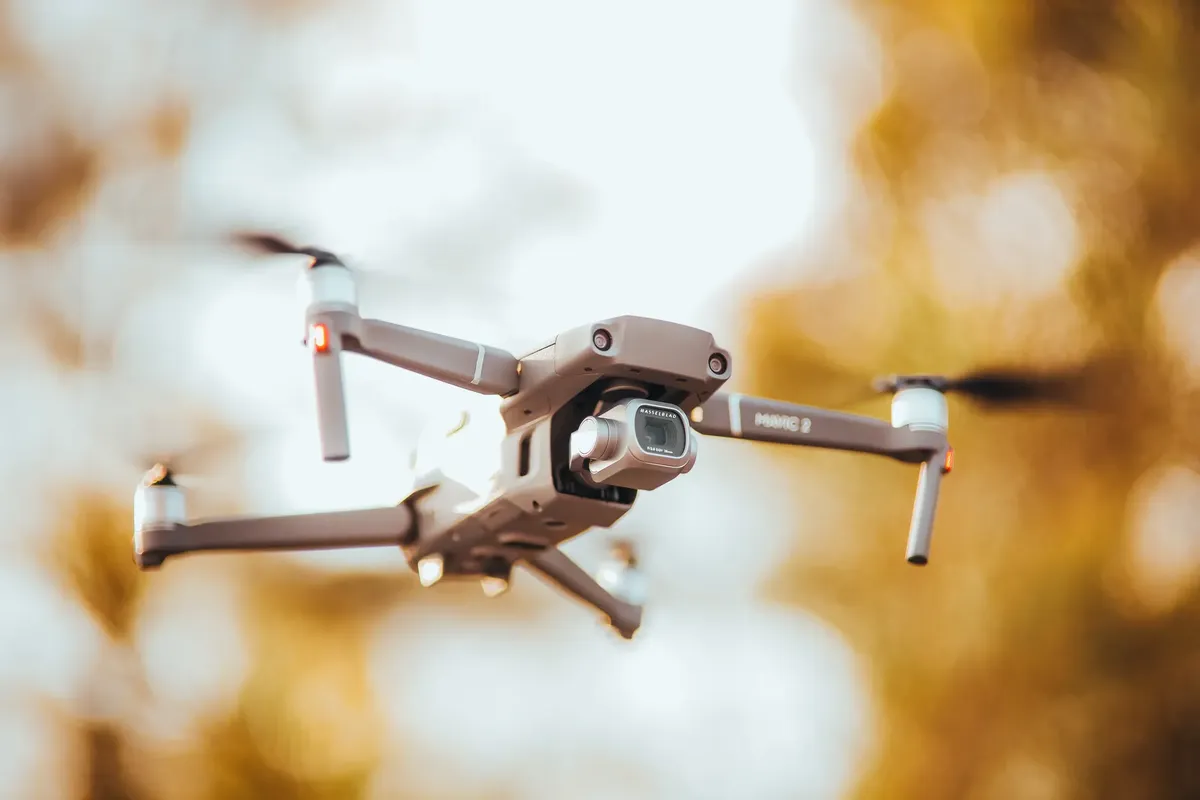
A pilot stands on a windy ridge, checking the battery and the horizon before lifting the aircraft into the sky. To maintain safety, operators must treat unmanned systems with the same seriousness as piloted aircraft.
According to the International Civil Aviation Organization (ICAO) in its 2011 Circular 328, a UAS should demonstrate equivalent levels of safety as manned aircraft and thus meet relevant government rules for flight and flight equipment.
Following these standards helps prevent accidents in remote locations.
Maintaining a clear line of sight and being aware of local weather is part of a responsible drone use in nature guide. Staying within the technical limits of the device ensures the flight remains controlled.
However, these safety measures may be less effective in extreme weather conditions. I believe the first step is the most critical for preventing accidents.
What are the registration requirements for outdoor flight? Drone use in nature guide
In the sun-drenched field, I pull my registration papers from my pocket before launching the drone.
An enthusiast holds a small plastic ID card while preparing to launch a device in a wide-open field. Different regions have specific weight thresholds that trigger the need for formal documentation.
In many jurisdictions, specific weight classes dictate whether you need a permit. For example, some rules require that any small unmanned aircraft system (sUAS) weighing over 250g be registered with the relevant civil aviation department.
If you are flying a drone over 250g, you might need to obtain a specific ID. In some regions, owners are required to register their drone and obtain an 'Operator ID' and, if their drones are 250g or more, a 'Flyer ID'. These can often be obtained by passing an online theory test.
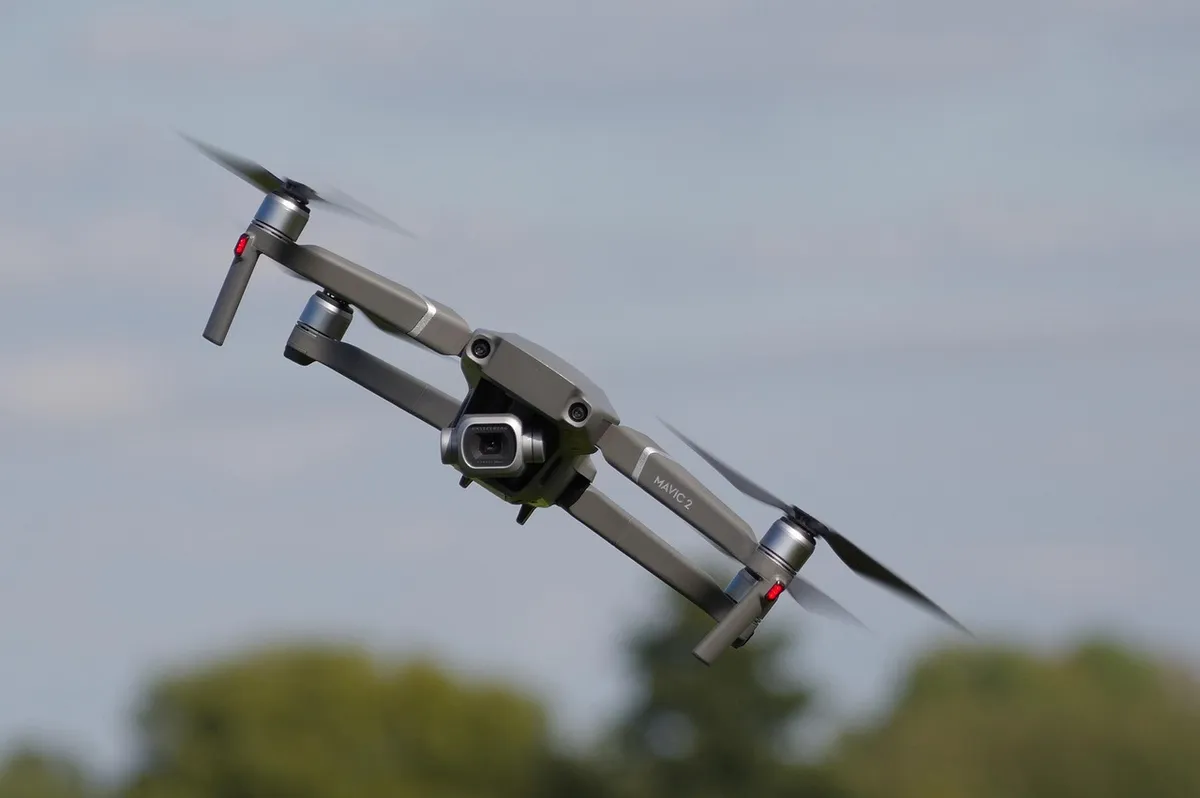
These requirements do not apply to micro-drones used strictly for indoor recreational purposes. I find that the second point clarifies the legal necessity.
How do I handle flight categories and weight limits?
A pilot adjusts the settings on a controller, noting the weight of the drone before the first takeoff. Understanding the specific category of your aircraft is essential for staying legal.
Certain flight categories, such as A1 or A3, are required for drones of 250 grams or more. These often involve registration and a free online exam consisting of multiple-choice questions to confirm the pilot's identity.
| Drone Weight Class | Typical Requirement |
|---|---|
| Over 250g | Registration and potential identity verification |
| Over 2kg | Air Defense clearance and specialized training |
I once had to verify my specific flyer ID before a trek to ensure I was compliant with the local rules. For drones above 2 kg, requirements often include Air Defense clearance and specialized pilot training for those at least 18 years old.
These classifications may change depending on the specific local jurisdiction. I noted that the first category is the most common.
What are the legal restrictions in sensitive areas?
A hiker pauses, looking at a distant facility on the horizon while holding the remote. Certain locations carry much stricter rules due to security or environmental concerns.
According to the International Air Transport Association, the global airline trade body urged governments to enforce regulations aimed at curbing the reckless and hazardous operation of recreational drones in December 2017.
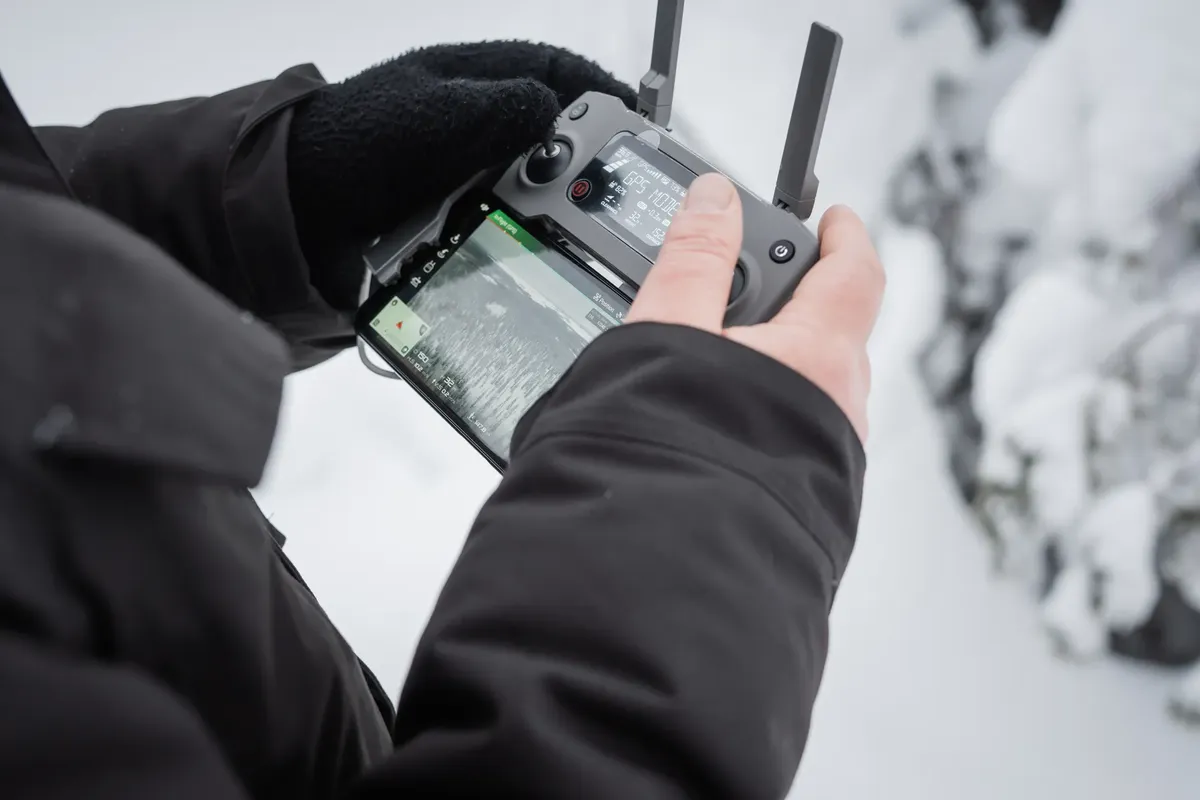
Flying in nature can sometimes lead to accidental airspace violations. In certain countries, overflights of nuclear power plants are illegal, with punishments including fines or prison if a drone comes within a specific horizontal or vertical distance of the plant.
Effective nature drone operation involves researching these restricted zones before departure. For instance, permits might be required to fly drones above 7 kg, or within a 5 km radius of an aerodrome.
These restrictions might not apply if you have obtained specific government authorization. I think the second instruction is the most vital.
How to manage privacy and security concerns?
A group of people looks up from a picnic table, noticing the sound of propellers in the distance. Balancing the desire for great shots with the rights of others is a constant challenge.
The European Union proposed regulations in 2014 to control the effects of drones on people's safety, security, and privacy. Being mindful of these social impacts is a key part of responsible flying.
When practicing drone flying in scenery, one must consider the privacy of others. The International Air Transport Association (IATA) in 2017 urged governments to enforce regulations to curb the reckless and hazardous operation of recreational drones.
These guidelines may be difficult to enforce in crowded public spaces. I feel that the first step is the most important for maintaining discretion.
How to prepare for a flight following these steps?
A pilot sits on a folding chair, carefully organizing the gear before the sun rises. Following a consistent routine ensures all legal and technical checks are completed.
- Check the local airspace maps to identify any restricted zones or aerodromes. 2. Verify that the drone is registered and that all necessary IDs are active. 3. Perform a physical inspection of the aircraft and battery levels.
After completing these, perform a final check of the flight environment. This ensures you are ready to enjoy the flight while remaining within the bounds of the law.
This procedure is not intended for emergency flight situations. 1. Check the local weather and airspace regulations. 2. Inspect the drone hardware and battery levels. 3. Verify the flight path and landing zones. I noticed that the second step takes the most time.
The same subject is also called Flying drone in wild.
The same subject is also called How to use drone outdoors.
The same subject is also called Drone flight in scenery.
This part also covers Best drone for nature shots.
This part also covers Drone flying safety tips.
This part also covers Cost of nature drone use.
Best drone for nature shots
Related






Comments 0