Swimming Guide 26 Tips Best Buoyancy Skills
"The water felt like a cold shock against the skin, a sudden reminder of the distance yet to be covered."
* Mastering buoyancy and breath control * Developing efficient stroke mechanics * Understanding water temperature safety * Preparing for structured distances
How to start swimming effectively?
A swimmer stands at the edge of a quiet pool, adjusting their goggles before sliding into the cool, still water. To begin, you must prioritize comfort in the water by practicing floating and rhythmic breathing.
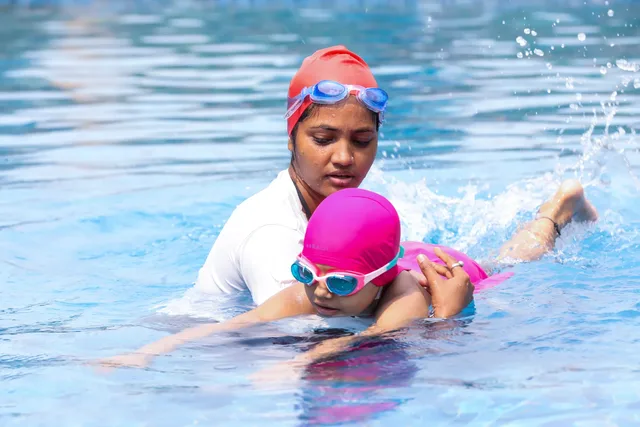
Learning how to start swimming requires a focus on reducing panic through controlled exhalation. Beginners often struggle with the sensation of water on their faces, so practicing bubbles in a shallow area is a vital first step. Once the breath is steady, you can move toward basic propulsion.
What are the essential swimming lessons? swimming skills for beginners
The instructor points toward the lane lines, signaling the start of a drill focused on arm rotation and kick strength. Most essential swimming lessons emphasize the connection between core stability and limb movement to ensure efficiency.
Effective movement relies on maintaining a horizontal body position to minimize drag. You should focus on the coordination of your kick and pull to create smooth momentum. Following these fundamental patterns helps prevent the exhaustion that often plagues those just starting their aquatic journey.
Can I use swimming tips for novices to improve?
A novice grips the pool edge, feeling the texture of the tile while practicing the reach of a freestyle stroke. Using swimming tips for novices can significantly accelerate the progress of a new learner.
One helpful tip is to focus on a long, reaching stroke rather than rapid, short movements. Rapid movements often lead to wasted energy and poor form. By lengthening the stroke, you utilize the water's resistance more effectively to propel yourself forward.
What are the first steps in swimming for endurance?
The swimmer moves from the shallow end toward the middle of the lane, feeling the rhythm of their strokes increase. Taking the first steps in swimming for endurance involves transitioning from short bursts to sustained, rhythmic activity.
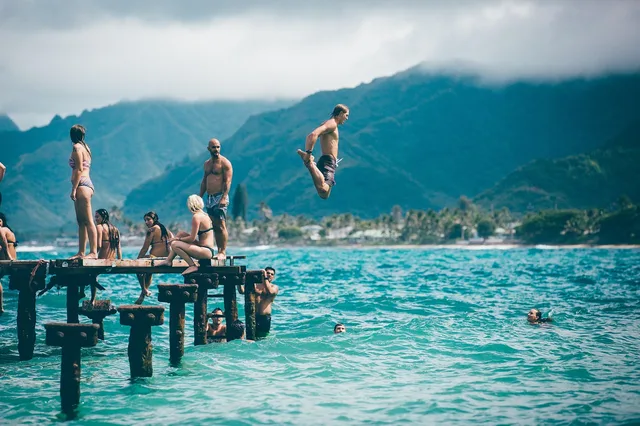
To build stamina, you must gradually increase the distance covered in each session. This process should be slow to allow your muscles to adapt to the unique demands of aquatic resistance. Consistent practice helps build the cardiovascular capacity needed for longer durations.
How to master basic swimming techniques?
The athlete glides through the water, eyes fixed on the bottom of the pool to maintain a steady line. Mastering basic swimming techniques requires a disciplined approach to stroke mechanics and body alignment.
To improve, follow these three steps:
- Practice rhythmic breathing by exhaling underwater and inhaling quickly during the rotation. 2. Develop a consistent kick that originates from the hips rather than the knees. 3. Maintain a streamlined body position to reduce unnecessary resistance.
After completing these, perform a final check by observing if your hips remain near the surface during the stroke. I found that focusing on my hip position during the reach made a significant difference in my glide.
How does water temperature affect swimming?
A swimmer checks the thermometer at the pool entrance, noting the temperature before entering the lane. Temperature plays a critical role in safety and equipment choices during any aquatic activity.
| Condition | Temperature | Equipment Rule |
|---|---|---|
| Cold Water | 26 °C (79 °F) or less | Wetsuits are legal |
| Warm Water | Above 29 °C (84 °F) | Wetsuits may be banned |
According to certain regulations, wetsuits are legal in sanctioned events at which the surface water temperature is 26 °C (79 °F) or less.
However, race directors will sometimes discourage or ban wetsuits if the water temperature is above 29 °C (84 °F) due to overheating that can occur while wearing a wetsuit. This limitation applies specifically to temperature-related safety and does not cover all environmental variables.
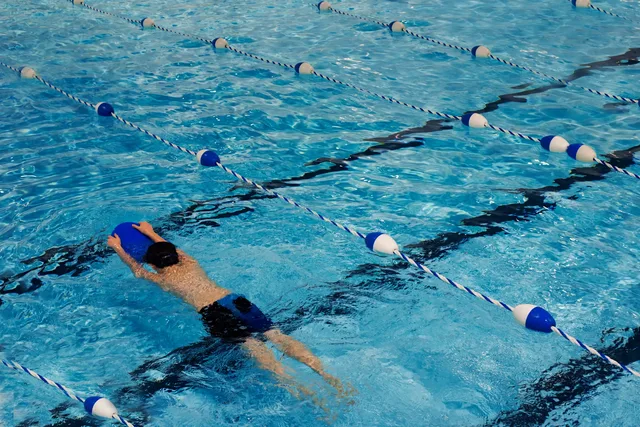
- Learning swimming skills for beginners involves mastering buoyancy, breath control, and specific stroke mechanics within controlled environments.
- This guide helps novices navigate the transition from basic water comfort to structured endurance, though it is primarily focused on the technical components of swimming rather than multi-sport transitions.
- You should focus on rhythmic breathing and body positioning, while avoiding the mistake of rushing into cold open water without proper acclimation.
The same subject is also called learning to swim basics.
Related
What precautions should the novice take regarding the water?
- The water provides a cold shock against the skin, acting as a constant reminder of the remaining swimming distance. 2. Novices must avoid rushing into cold open water without adequate prior acclimation. 3. Practicing bubbles in a shallow area is a necessary initial step when learning breath control.
How does body alignment influence the water experience?
- Maintaining a horizontal body position is crucial because it minimizes the drag exerted by the water. 2. The athlete should focus on coordinating the pull and the kick to generate smooth forward momentum. 3. Observing the hips during the stroke helps confirm that they remain near the surface, which improves the glide.
When considering the water temperature, the equipment rules change depending on the thermal condition of the pool. For instance, wetsuits are permissible when the surface water temperature is at or below 26 °C (79 °F).
Conversely, if the water temperature surpasses 29 °C (84 °F), race directors might issue a ban on wetsuits to mitigate the risk of overheating. This condition highlights a specific limitation related to thermal management in the water.
The initial sensation of the water can be a significant psychological hurdle for new swimmers. The water itself can feel like a cold shock, immediately signaling the extent of the aquatic challenge ahead.
Beginners must manage this initial feeling by focusing intently on controlled exhalation techniques rather than reacting to the temperature or the distance. This initial focus helps transition the swimmer from discomfort to technical practice.
Developing efficient stroke mechanics requires attention to the entire body's involvement, not just the arms. The connection between core stability and the movement of the limbs must be established for the swimming to be efficient.
If the body position drifts, the effectiveness of the kick and pull diminishes, making the water feel more resistive. This comparison shows that overall alignment dictates the success of the individual movements.
When building endurance, the gradual nature of the training is paramount for the swimmer. To ensure the muscles adapt properly to the aquatic resistance, the increase in distance per session must proceed slowly.
This slow progression is a condition that allows the cardiovascular system to build the necessary capacity for extended periods in the water. The water's resistance demands a measured approach to stamina building.






Comments 0