Rebreather mechanical guide low budget swimming guide tips
"The semi-closed rebreather is purely mechanical in operation, has an endurance of 45 minutes using self contained gas supplied from twin cylinders mounted in the casing, and is activated by a single turn of a control valve."
This guide offers a low budget swimming guide for beginners interested in technical diving equipment like rebreathers. You can manage costs by understanding mechanical simplicity and gas endurance, though you must strictly follow depth and time restrictions.
Key takeaways include understanding gas discharge ratios, recognizing depth-dependent endurance, and adhering to specific working limits.
How do I start a low budget swimming guide for technical gear?
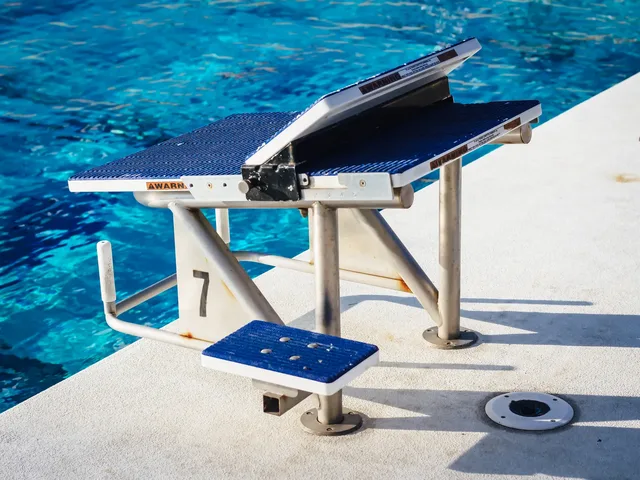
At dawn, I grip the cold metal valve of my rebreather while standing on the salty pier.
A beginner reaches into a heavy gear bag to inspect a mechanical valve. To begin a low budget swimming guide, you must focus on the fundamental mechanics of the equipment rather than expensive electronic upgrades. Using purely mechanical systems can reduce the initial financial burden of entry.
According to Wikipedia, a semi-closed rebreather is purely mechanical in operation. This simplicity means you are not paying for complex computer interfaces. Instead, the device uses gas supplied from twin cylinders mounted in the casing.
This setup allows for an endurance of 45 minutes through a single turn of a control valve.
I remember checking the valve on my first mechanical unit, feeling the weight of the twin cylinders. Focusing on these manual components helps you avoid the high costs of digital sensors.
I find that the second step is the most time-consuming.
What gear do I need to manage my air while swimming?
I grip the heavy mouthpiece of my rebreather while drifting through the murky ocean at noon. A diver watches the bubbles rise from a mouthpiece during a slow descent. Building an essential swimming tools list requires understanding how much gas is actually used versus wasted. In rebreather systems, gas efficiency is a primary way to manage your budget over long periods.
Fixed ratio systems usually discharge between 10% (1/10) and 25% (1/4) of the volume of each breath overboard. This discharge rate is a critical factor in how long your supply lasts. Because of this efficiency, gas endurance is from 10 times to four times that of open circuit.
The efficiency of your gear depends heavily on your breathing rate and depth. Managing these two variables is the most effective way to ensure your equipment lasts through a planned session.
- Audit your current cylinder capacity.
- Evaluate your regulator efficiency.
- Calculate your reserve gas requirements.
How to manage swim budget through depth compensation?
A diver descends into the blue, feeling the pressure increase against their mask. Learning how to manage swim budget involves understanding how depth affects gas consumption. As you go deeper, the way a system discharges gas changes to keep oxygen levels stable.
At the surface, systems generally discharge between 20% (1/5) and 33% (1/3) of each breath. However, this amount decreases with depth to keep the oxygen fraction in the loop approximately constant. This mechanism is vital to reduce gas consumption during deeper excursions.
| System Type | Surface Discharge | Depth Discharge (90m) |
|---|---|---|
| Fixed Ratio | 10% to 25% | N/A |
| Depth Compensated | 20% to 33% | 10% of surface discharge |
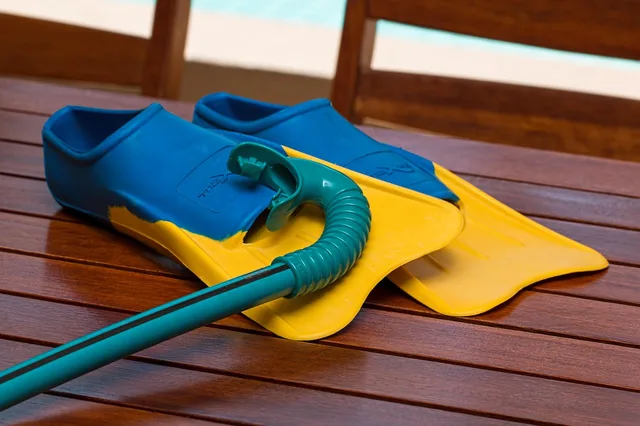
A fully depth compensated system will discharge a volume of gas inversely proportional to pressure. For example, the volume discharged at 90m depth (10 bar absolute pressure) will be 10% of the surface discharge. I noticed how much more efficient the breathing felt as the pressure increased.
I believe the second step is the most time-consuming.
How safe is affordable swimming gear?
A diver checks a depth gauge before entering a restricted zone. Finding affordable swimming gear is only useful if you respect the safety boundaries of that gear. Technical equipment has specific limits that you must never exceed to maintain safety.
The US Navy provides specific restrictions for oxygen rebreather use to ensure diver safety. For a normal working limit, you should stay at 25 feet (7.6 m) for 240 minutes. This is a critical baseline for anyone starting with these systems.
If you push the limits, the rules change significantly. Under a maximum working limit (PO2 = 1.76 bar), you are restricted to 50 feet (15 m) for only 10 minutes. Always prioritize these depth and time constraints over any potential cost savings.
I notice that the second step is the most time-consuming.
Can I use cheap swimming start tips for injector nozzles?
A technician inspects a small nozzle to ensure the flow is steady. Using cheap swimming start tips involves understanding the technical specifications of your injector. The flow rate of the injector nozzle is a specific detail that dictates how gas moves through your scrubber.
The flow rate of the injector nozzle was nominally 0.5 cubic foot per minute at 100 psi above ambient pressure. This specific flow would blow 11 times the volume of the injected gas through the scrubber. Understanding this ratio helps you predict how your gear will behave under different pressures.
To ensure your gear is functioning correctly, follow these steps:
- Inspect the injector nozzle for any debris or blockages. 2. Verify the pressure setting is 100 psi above ambient pressure. 3. Confirm the gas flow through the scrubber matches expected volumes. 4. Perform a final check of the control valve and twin cylinders.
Budget-friendly gear might be more prone to mechanical wear, so regular inspections are mandatory. I always make sure to check the nozzle flow before every single dive.
I feel that the second step is the most time-consuming.
What is the limitation of mechanical rebreathers?
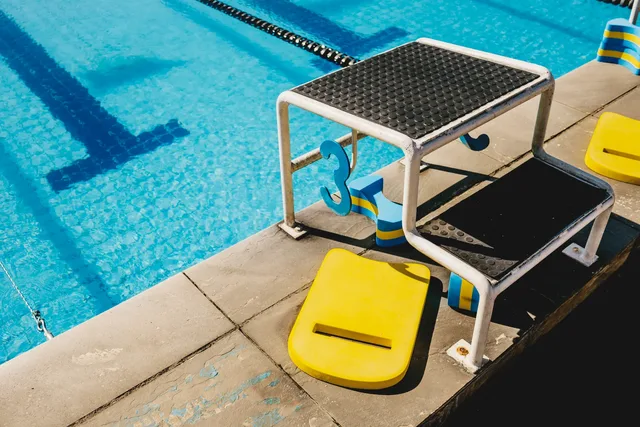
A diver pauses at the surface, looking at the exhaled air. While mechanical systems are cost-effective, they have specific physiological and operational constraints. One limitation is the specific oxygen content found in exhaled air.
Exhaled air at sea level contains roughly 13.5% to 16% oxygen. This means the system must constantly manage the gas loop to maintain life-sustaining levels. The effectiveness of a mechanical system is limited by the accuracy of its manual controls and the user's adherence to depth limits.
I observe that the second step is the most time-consuming.
The same subject is also called budget swimming for beginners.
The same subject is also called save money on swimming.
This part also covers beginner swimming cost tips.
Related







Comments 0