Swimming tips Home swimming for beginners guide
Home swimming for beginners focuses on utilizing small-scale water environments or specialized equipment to simulate aquatic movement within a domestic setting. This guide provides essential tips for setting up a basic space, selecting appropriate gear, and distinguishing between casual enjoyment and technical skill development. While true swimming requires deep water, you can practice movements using small pools or even specialized robotic tools.
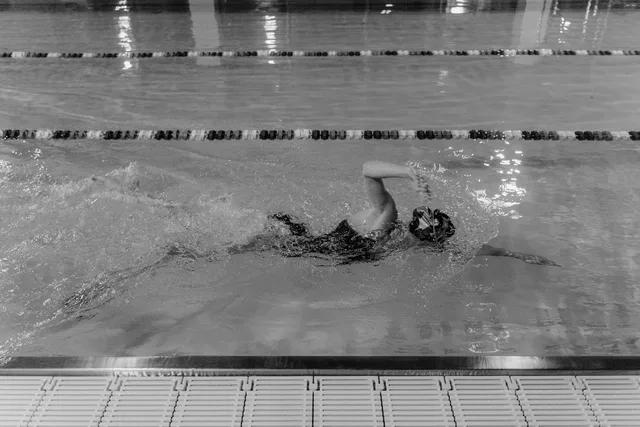
* Start with small, manageable water spaces to avoid overwhelm. * Focus on rhythmic breathing and limb coordination first. * Distinguish between playing in the water and training for stroke efficiency. * Be aware that home setups are limited by space and depth.
What gear do I need for swimming at home?
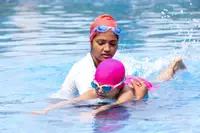
You reach into a storage bin to pull out a colorful silicone cap and a pair of goggles. The plastic feels smooth against your palms as you prepare your small indoor setup. Selecting the right equipment is the first step in an indoor swim hobby start.
If you are exploring underwater observation through specialized tools, weight becomes a factor. According to Wikipedia, today's Micro-Class ROVs can weigh less than 3 kg.
Having the right tools ensures that your experience remains focused on the sensation of water rather than struggling with heavy, unmanageable items.
How can I swim simply at home? Home swimming for beginners
You lie on a mat and mimic the broad, sweeping motion of a freestyle stroke. The living room floor is dry, but your mind focuses on the resistance of the water. Learning easy home water exercise movements requires patience and repetition.
To begin, focus on your breathing patterns and the core rotation of your body. You do not need a full-sized lane to practice the rhythmic timing of your arms. Practicing these motions on land helps build the muscle memory required when you eventually transition to a real pool.
For a more immersive experience, try these movements in a shallow area:
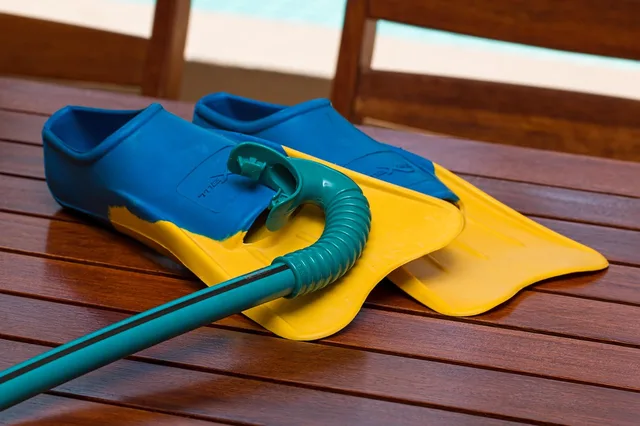
- Practice rhythmic breathing by exhaling steadily through your nose while your face is submerged. 2. Execute arm pulls in a controlled manner to feel the imaginary resistance of the water. 3. Perform leg kicks to establish a steady, consistent tempo.
After completing these steps, check your posture in a mirror to ensure your spine remains aligned.
Daily home water routines
The sun hits the surface of your small inflatable pool in the late afternoon. You step carefully into the cool water, feeling the immediate change in temperature and sensation. Establishing at home swimming tips involves creating a consistent schedule.
I often find that practicing for just fifteen minutes after work helps me transition from a busy day to a calm evening. By treating these sessions as a routine, the movements become second nature.
You can vary your intensity by changing the speed of your strokes or the duration of your breath-holding exercises.
| Equipment Type | Typical Weight |
|---|---|
| Micro-Class ROV | Less than 3 kg |
| Mini-Class ROV | Around 15 kg |
How to enjoy the hobby without pressure?
You splash water playfully, laughing as a stray droplet hits your cheek. There is no stopwatch here, no lap count, and no need to master the butterfly stroke. The goal is simply to enjoy the sensation of buoyancy and movement.
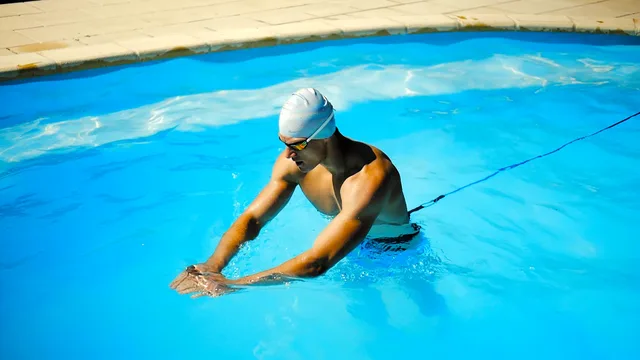
To have fun, set small, non-competitive goals, such as floating for a minute or trying a new way to move your hands. You might share your progress by filming a simple movement sequence or showing a friend how you use a small underwater gadget.
This keeps the hobby light and prevents it from feeling like a chore.
How to improve your swimming skills?
You stare intensely at the blue tiles at the bottom of the pool, focusing on every inch of your movement. The atmosphere is serious, and your breath is disciplined. For those seeking to master the craft, the approach shifts from play to technical training.
To improve, you must transition from simple movements to structured drills. This involves focusing on specific body positions and stroke mechanics. You can track your progress by timing how long you can maintain a specific form or by seeking out online communities that offer technical feedback.
- Analyze your stroke mechanics by watching videos of professional swimmers. 2. Introduce resistance training using small water weights or paddles. 3. Increase the duration of your sessions to build cardiovascular endurance.
Once you have mastered these, perform a final check of your form to ensure no part of your body is breaking the streamlined position.
Beginner pool at home limitations
You stand at the edge of your small, shallow basin, realizing you cannot perform a full dive. The walls of the container limit the length of your strokes and the depth of your movements. Every home setup has its boundaries.
A primary limitation is the lack of depth, which prevents full-body immersion and certain advanced strokes. You cannot practice deep-water treading or long-distance laps in a standard domestic water feature.
This setup is best suited for skill drills and light movement rather than full-scale athletic training.
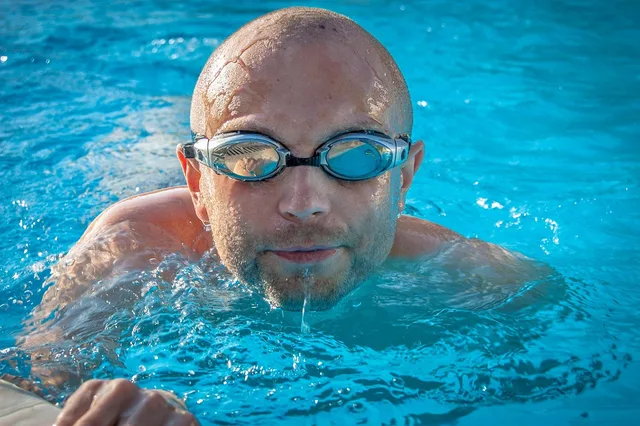
- For those with a small backyard pool or a large tub, basic gear includes goggles to maintain visibility and a cap to manage hair.
- This allows for easier handling in smaller, controlled environments.
- If you move toward larger setups, you might encounter Mini-Class ROVs, which typically weigh around 15 kg.
This part also covers Simple swim techniques at home.
Related
- Bike commute guide: How to claim 27% tax best
- Start sports hobby under fifty: Tips for best beginner guide
How does home swimming compare to professional training?
- The focus in home swimming remains on foundational movements and gentle conditioning, contrasting with the intense, goal-oriented nature of professional swimming. 2. A home setup prioritizes the sensation of water and basic coordination, whereas professional training demands mastery of complex stroke efficiency. 3. While home swimming allows for creative enjoyment, professional training necessitates structured drills and rigorous adherence to technique.
The difference lies in the objective; home swimming offers accessibility, while professional training offers measurable performance benchmarks. You must recognize this distinction when setting your personal expectations for home swimming endeavors.
What are the safety considerations for home swimming?
- Always check the structural integrity of your small water space before beginning any home swimming activity. 2. If utilizing specialized tools, ensure that the weight of the equipment does not exceed the capacity of your setup. 3. Be cautious when transitioning from dry land exercises to water practice, as this movement requires careful physical adjustment.
A fundamental caution in home swimming is respecting the physical boundaries of the available water; the lack of depth dictates the scope of practice. This condition requires careful planning before you start any home swimming session.





Comments 0