Collecting guide Small item collecting guide for your hobby
"The joy of collecting lies not in the accumulation of wealth, but in the quiet thrill of finding a piece of history that speaks to your own story."
Collecting small items is a rewarding way to build a personal archive without requiring massive space or immense wealth. You can begin with low-cost categories like coins or comic books, focusing on specific themes rather than everything at once.
This guide helps you navigate budget-friendly collecting steps, understand what to buy first for hobby interests, and explore fun ways to start collecting without overwhelming your living space.
Key Takeaways: * Start with niche categories like numismatics or comics to prevent overspending. * Use existing collections in libraries or universities as a roadmap for appreciation. * Focus on the narrative value of an object rather than its market price.
* Be mindful of the legal and ethical origins of historical artifacts.
How can I use a small item collecting guide to start?
You sit at a wooden desk, opening a small cardboard box filled with weathered tokens and shiny metal discs. A small item collecting guide helps you transition from random purchases to a structured hobby by defining your specific interests early on.
Instead of buying whatever looks interesting, you decide to focus on a single era or a specific type of material.
To build a meaningful collection, you should focus on finding objects that share a common thread, such as a specific year or a geographic origin. This prevents your shelves from becoming cluttered with unrelated trinkets.
By setting boundaries, you turn a pile of things into a curated museum of your own making. This approach ensures that every new acquisition adds actual value to the existing set.
- Identify a niche that interests you.
- Set a monthly budget for new acquisitions.
- Organize your initial finds in a dedicated space.
How can I start collecting as a beginner?
You walk through a local flea market, feeling the cool weight of a silver coin in your palm. Implementing beginner collecting tips involves learning the terminology of your chosen field before spending significant money.
For example, if you choose numismatics, you must understand the difference between regular issue coinage and exonumia. Knowing these terms prevents expensive mistakes during your first few acquisitions.

Researching the history of your items provides a layer of depth that simple ownership cannot offer. You might spend an afternoon reading about how certain coins were minted or how comic book markets are constructed. This intellectual engagement turns a simple purchase into a scholarly pursuit.
Developing this knowledge base is the most effective way to ensure your hobby remains sustainable and educational over the long term.
I find that the second step is the most important.
Where can I find inspiration for a new small hobby?
You browse a digital archive, scrolling through images of beautifully preserved historical artifacts. If you are looking for ways to start small hobbies now, look toward established institutions that house significant collections.
For instance, the Allen and John Saunders Collection at Bowling Green State University's Popular Culture Library offers a glimpse into how specialized items are preserved.
Studying these professional archives helps you understand the standards of organization and care. You can see how experts categorize items to make them accessible for study. Seeing how a university manages a collection can inspire you to use better storage solutions at home.
This connection to larger academic or cultural bodies provides a sense of purpose to your personal efforts.
What is the best way to implement easy appreciation guide methods?
You hold a vintage comic book under a soft lamp, tracing the lines of the ink with your eyes. An easy appreciation guide focuses on the aesthetic and historical qualities of an object rather than its resale value.

You learn to look for printing quality, paper texture, and the specific artistic style of a particular era. This shift in perspective moves the hobby from a financial gamble to a sensory experience.
To appreciate your items deeply, follow these steps: 1. Clean your workspace and use archival-safe storage like acid-free sleeves or specialized slabs. 2. Document each piece in a dedicated journal, noting its origin, condition, and why you chose it. 3.
Compare your items to professional catalogs to understand their place in a broader historical context.
After completing these steps, check that your storage environment is stable and free from moisture. I find that keeping a physical logbook makes the connection to my items feel much more permanent.
What are some fun ways to start collecting without a huge budget?
You scan a shelf of inexpensive comic books, looking for stories that resonate with your personal taste. Exploring fun ways to start collecting often leads to the discovery of "low-stakes" categories that do not require high entry costs.
Comics and certain types of commemorative coins are excellent starting points because they are widely available in various price points.
| Category | Potential Focus |
|---|---|
| Numismatics | Regular issue coinage |
| Comics | Popular culture archives |
By comparing these categories, you can see which one fits your available space and budget. Starting with smaller, more affordable items allows you to make mistakes and learn the ropes without financial stress.
This method builds confidence and helps you refine your tastes before you move into more expensive territory.
What should I avoid when acquiring historical items?
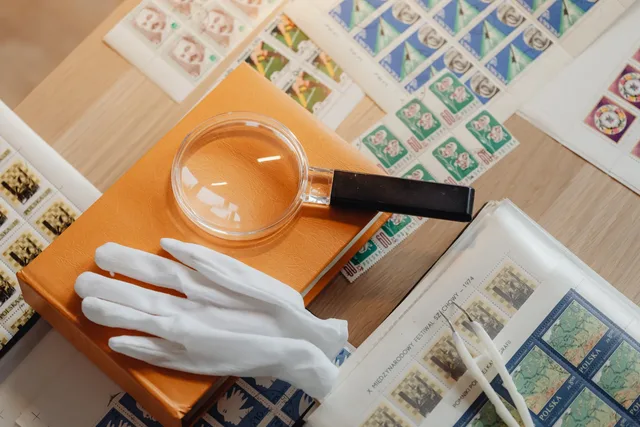
You pause before picking up an unverified artifact at an estate sale, wondering about its true origin. While collecting is exciting, you must be aware of the ethical implications regarding the movement of cultural property.
For example, historical records show that in January 2021, 8,000 clay objects were transferred to the Iraq Museum.
It is essential to ensure that any historical or antiquarian items you acquire have a clear and legal provenance. Avoiding items with questionable origins protects both the cultural heritage of other nations and your own reputation as a collector.
Always prioritize items from reputable dealers or auctions that provide documentation of ownership history.
The same subject is also called Simple things to collect.
Related
FAQ
What should I buy first for hobby interests?
Is there a limit to how much I can collect?
Related posts
Home record label guide: Tips for vinyl organization
Record collection guide: Why select music for focus best

Collectables market 360 billion Start collecting cheap tips



Comments 0