Easy houseplant guide: Why select hardy plants for beginners
"For those who find the commitment of traditional animals daunting, greenery offers a quieter, more manageable way to bring life into a home."
An easy houseplant guide focuses on selecting species that thrive on neglect and minimal intervention. This guide is for individuals who struggle with time constraints or travel schedules, offering low maintenance plants as a solution to common pet ownership barriers.
You should avoid high-humidity tropicals if your home is dry, and note that plant care success depends on your specific indoor environment.
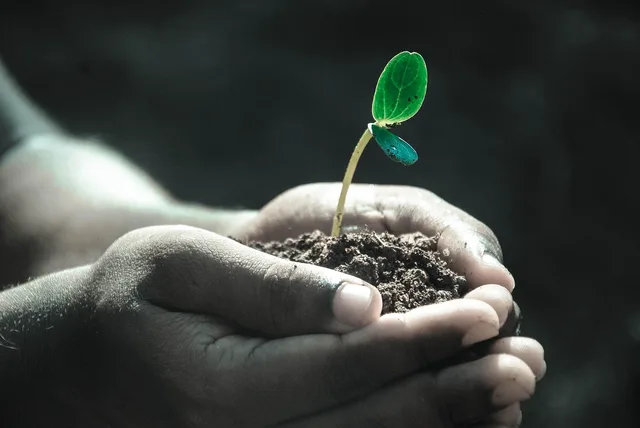
* Prioritize species that tolerate irregular watering. * Select plants that adapt to low-light conditions. * Choose hardy varieties to minimize pest issues.
What makes a plant easy for me to grow?
A person walks into a nursery, feeling the cool mist from the overhead sprayers while eyeing a row of sturdy green leaves. Finding the right plant starts with understanding your own lifestyle limitations.
If you frequently travel or work long hours, you need a plant that does not require daily attention to survive.
Beginner plant care involves selecting species that can withstand fluctuations in moisture and light. Many first time plant owner experiences fail because the chosen species is too demanding for a novice's schedule.
You want a plant that signals its needs clearly, such as drooping slightly when thirsty, rather than dying suddenly from a single missed watering.
According to a 1994 Canadian study, the most common reasons for not owning a pet included a lack of ability to care for the pet when traveling (34.6%) and a lack of time (28.6%). While plants are not animals, the same logic applies to your daily routine.
Choosing a simple indoor plant ensures that your new hobby remains a source of joy rather than a source of stress.
In this list, the first item is the most important.
How to choose simple indoor plants? Easy houseplant guide
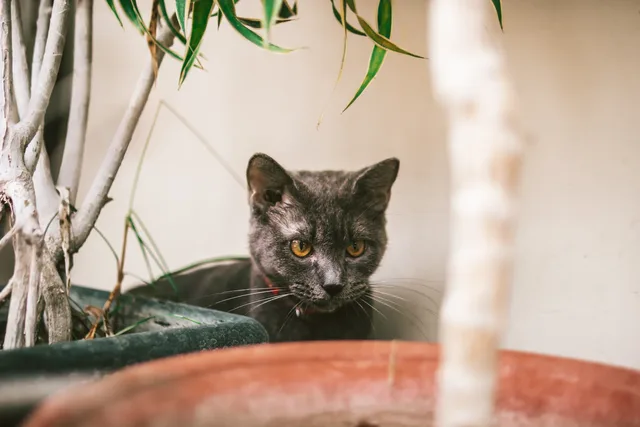
You stand in the bright sunlight of a sunroom, holding a small ceramic pot and wondering which green companion fits your desk. Selecting the right species requires matching the plant's biological needs to your living space. Not every plant can survive in a dim corner or near a drafty window.
Low maintenance plants are often those that have evolved in harsh environments, such as deserts or rocky cliffs. These species are naturally equipped to handle the dry air and inconsistent light found in most modern apartments.
When looking for the best plants for beginners, focus on those with thick, waxy leaves or those that grow in soil that dries out quickly.
I once bought a delicate fern for my shadowed hallway, only to watch it turn brown within a week. I learned quickly that what plants for new people actually means is picking something that thrives on being left alone.
I now stick to succulents or snake plants that require very little intervention to stay vibrant.
- Assess the light levels in your room.
- Determine how often you can water.
- Select a hardy species that fits your environment.
Which plants are best for me to start with?
The scent of damp earth fills the air as you prepare a small tray of potting soil on your kitchen table. Deciding on specific varieties can feel overwhelming when faced with hundreds of options. You need to categorize your choices based on how much light and water they require.
To find the best plants for beginners, consider these three common categories:
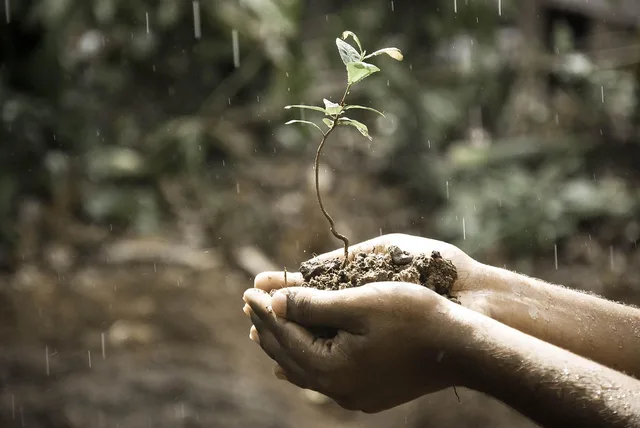
- Identify your light levels: Determine if your space has bright direct sun, indirect light, or deep shade. 2. Select a hardy species: Choose a plant like a pothos or a ZZ plant that is known for resilience. 3. Test the watering frequency: Start with a plant that prefers its soil to dry out completely between waterings.
After selecting your plant, perform a final check by ensuring the pot has adequate drainage holes to prevent root rot. This simple step prevents the most common cause of plant death.
| Plant Type | Light Requirement | Watering Need |
|---|---|---|
| Succulents | High/Direct | Very Low |
| Foliage Plants | Low to Medium | Moderate |
How to manage plant care effectively?
You reach for a small watering can, watching the clear liquid pour slowly into the dark soil. Effective management is less about constant action and more about consistent observation. Most beginner mistakes come from over-care rather than neglect.
Effective beginner plant care relies on observing the plant's reaction to its environment. Instead of watering on a strict calendar schedule, use your senses to check the soil. A finger pressed an inch into the dirt can tell you more than any rigid weekly routine.
If you are managing a collection, remember that simple indoor plants do not need constant feeding or misting. Focus on the fundamentals of light, water, and soil quality. By mastering these three elements, you create a stable environment where your greenery can grow alongside you.
What are the limitations of plant ownership?

A heavy rain hits the window, casting shadows across the leaves of your indoor garden. Even with the easiest species, certain conditions can make success difficult. Understanding these boundaries prevents frustration when a plant fails to thrive.
One limitation is the lack of control over ambient humidity and temperature in a home. Even if you follow a guide, a sudden cold snap or a dry heater can impact a plant's health. This environmental factor is a concrete condition that can override standard care instructions.
The subject here is Easy houseplant guide.
This part also covers How to care for easy plants.
Related
- Cooking fun and hobby basics guide for cooking 100 °C
- Natural material hobby fun: Guide to organic hobby benefits
Should I worry about pests with beginner plants?
Yes, one should exercise caution regarding pests, though hardy varieties help mitigate this risk. Choosing a species known for resilience naturally reduces the likelihood of severe infestations.
If those who find the commitment of traditional animals daunting, they should also consider that some plants are naturally more resistant to common household pests. Inspecting leaves regularly, even if the plant seems fine, allows for early detection of any unwanted visitors.
This proactive approach is a simple care procedure that complements selecting a hardy species. When selecting plants, the goal is to choose varieties that inherently possess defenses against small garden nuisances.
This helps ensure that the plant remains a source of enjoyment rather than a subject of worry.
FAQ
What are the best plants for beginners?
How can I avoid common plant care mistakes?
Related posts

Home record label guide: Tips for vinyl organization

Record collection guide: Why select music for focus best

Collectables market 360 billion Start collecting cheap tips


Comments 0