Freshwater Fishing: Beginner's Guide to Gear & Technique
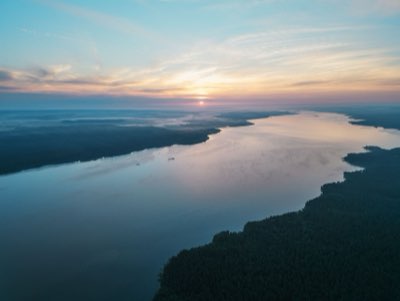
"The water is still, the morning mist clings to the surface of the lake, and suddenly, the tip of your rod jerks violently toward the water."
Freshwater fishing is the perfect blend of quiet contemplation and sudden, adrenaline-pumping excitement. It offers an accessible way to reconnect with nature and test your patience and skill through the thrill of the catch.
Key Takeaways * Freshwater fishing provides a lower barrier to entry and more immediate satisfaction than saltwater fishing. * Success depends on matching your gear and techniques to the specific environment and target species.
* The hobby thrives on a balance between the pursuit of a catch and the meditative peace of being outdoors.
Why Choose Freshwater Fishing?
The sun is just beginning to peek over the treeline at a local state park pond, and you find yourself standing on the muddy bank, feeling the weight of the rod in your hand. It is 6:15 AM, and the air is thick with the scent of damp earth and pine.
According to the Food and Agriculture Organization, the world harvest in 2005 consisted of 93.3 million metric tons captured by commercial fishing in wild fisheries, plus 48.1 million metric tons produced by fish farms.
There is no salt spray in your eyes and no massive waves tossing your boat; there is only the gentle lap of water against the shore and the quiet anticipation of a strike.
Freshwater fishing is often more accessible than ocean fishing because it doesn't always require a boat or expensive maritime gear to get started. You can find a fishing hole in a local park, a backyard pond, or a winding river, making it a versatile hobby that fits into almost any lifestyle.
The "hand feel"—that sudden, electric vibration traveling up the line when a fish hits—is often more immediate and visceral in freshwater environments.
While the global fishing industry is massive, with the world harvest in 2005 consisting of 93.3 million metric tons captured in wild fisheries and 48.1 million metric tons produced by fish farms, the scale of the ocean can be overwhelming for a beginner.
Freshwater environments allow you to focus on the nuances of a specific ecosystem, making the learning curve feel manageable and rewarding.
Whether you are targeting a small panfish or a trophy bass, the variety of habitats—ponds, lakes, and rivers—ensures that the scenery and the challenge change with every trip. This versatility makes it a hobby that can grow with you over a lifetime.
But knowing why you want to fish is only the beginning; you still have to figure out how to actually do it.
How do I get started? You stand at the local bait shop, staring at a wall of colorful reels and tangled lines, feeling slightly out of your depth. The clerk smiles and points toward a basic combo kit, and suddenly, the vast world of angling feels a little less intimidating.
The first step is defining your own goals. Are you looking for "Fun Fishing," where the goal is simply to spend a few hours in nature and perhaps catch a small fish to show your kids?
Or are you interested in "Competitive Angling," where you aim to master technical skills and perhaps enter local tournaments? Knowing your intent helps you decide how much time and money to invest initially.
Next, you need to scout your location. A small pond requires different tactics and gear than a moving river or a large lake. For your first outing, stick to a local, well-known body of water where the fish are plentiful and the terrain is easy to navigate.
Your initial gear check should be minimalist. You don't need a professional-grade setup to have a successful first day. A basic spinning rod and reel combo, a spool of monofilament line, and a few basic hooks and bobbers are enough to get you started.
When I first started, I spent two hours at a local pier in 2024 trying to understand why my line kept snapping, only to realize I had chosen a weight that was far too heavy for my light rod.
To avoid those early frustrations, follow this checklist for your first outing:
- Select a local body of water with easy bank access.
- Pack a small tackle box with 5-inch bobbers, various hook sizes, and 6-lb to 10-lb test monofilament line.
- Bring a pair of pliers for hook removal and a small towel for wet hands.
- Check the local weather forecast to ensure you have appropriate layers.
- Confirm that you have a valid fishing license for your specific region.
Getting the right gear is important, but choosing the wrong type of equipment for your specific environment can ruin a perfect morning.
What gear do I really need? You sit on a folding chair at the water's edge, checking the tension on your line and ensuring your tackle box is organized. The gear you choose will determine how much you actually enjoy the time spent on the bank.
When selecting a rod and reel, you must consider the "action" and the "power" of the rod. A lighter rod is better for catching smaller fish like trout or panfish, while a heavier rod is necessary if you are targeting larger bass.
Matching the line weight to the expected size of the fish is crucial to prevent snaps and tangles.
Choosing between lures and live bait is a classic beginner dilemma. Live bait, such as worms or minnows, is often easier for beginners because it provides a natural scent and movement that attracts fish.
Artificial lures, on the other hand, allow you to practice casting and mimic the movement of prey, which is a great way to develop skill.
| Gear Category | Beginner Choice | Advanced Choice |
|---|---|---|
| Rod & Reel | Spinning Combo | Baitcasting or Fly Rod |
| Bait/Lure | Live Worms / Bobbers | Custom Crankbaits / Jigs |
| Approach | Static / Sitting | Active / Moving |
Budget Tip: You can start with a basic kit for under $50. Avoid the temptation to buy the most expensive gear immediately. Instead, invest in a decent quality rod and spend the remaining budget on a variety of hooks and lures.
Apparel and Safety: Always wear layers. Temperatures can shift rapidly near the water. Additionally, basic safety gear like polarized sunglasses (which help you see through the water's surface) and a small first-aid kit should always be in your bag.
With the right tools in your hand, you might feel ready, but mastering the mindset is where the real challenge lies.
Mastering the Art: Fun vs. Skill
The afternoon sun is warm on your neck as you watch a dragonfly land on the tip of your rod. You aren't catching anything right now, but the sound of the wind through the reeds and the smell of the water make the wait feel worthwhile.
There is a fundamental difference between fishing for fun and fishing to improve. "Fun Mode" is about the process. It is about the companionship of a friend, the beauty of the landscape, and the small victory of a single catch. In this mode, the goal is simply to enjoy the time spent outdoors.
"Skill Mode" is where you focus on progression. This involves learning how to cast accurately, understanding the "water column" (the different depths where fish live), and studying the behavior of specific species. This mode requires more practice and a willingness to fail.
Patience is the bridge between these two modes. Sometimes, the most meditative part of fishing is the quiet waiting. Other times, the aggressive pursuit of a fish can be an intense mental game. Learning to balance these two states is the key to a long-lasting hobby.
However, even with perfect patience, you might find yourself struggling to find where the fish are actually hiding.
Advanced Tactics: Moving Beyond the Basics
You crouch low by the water's edge, peering through the reeds to see a submerged fallen log. You realize the fish aren't just swimming aimingly; they are hiding in the shadows and waiting for an opportunity.
To move beyond being a beginner, you must learn to "read the water." This means looking for structure—like fallen trees, rock piles, or weed beds—where fish often hide to ambush prey. Understanding depth and how the current moves is essential for successful placement.
Time of day and weather also play massive roles. Many fish are most active during "low light" periods, such as dawn and dusk, when they feel safer moving into shallower water to feed. Understanding these feeding patterns allows you to time your trips for maximum success.
Species-specific tactics are the next step. A bass will react differently to a lure than a trout will.
For example, when fly fishing, the size of the fly is critical; flies can range from just a few millimeters to as large as 30 cm (12 inches), though most are between 1 and 5 cm (0.39 and 1.97 inches).
Matching the size and profile of your presentation to the target fish is the difference between a skunked day and a successful one.
Frequently Asked Questions
Q: How much should I spend to start? You can start very affordably. A basic spinning combo and a small tackle box can cost between $40 and $70. It is better to buy one decent mid-range rod than three very cheap, low-quality rods that will break easily.
Q: What if I don't catch anything? A day without a catch is still a day spent in nature. If you find yourself catching nothing, shift your focus to the environment. Use the time to observe the wildlife, practice your casting accuracy, or simply enjoy the peace.
The "catch" is a bonus, not the sole purpose.
Q: Where is the best place to learn? Local fishing shops and community clubs are excellent resources. Many areas also have local guides who offer beginner lessons. Reading books and watching instructional videos can also provide a solid foundation in technique and local regulations.
A Note on Limits and Trade-offs While fishing is a rewarding hobby, it is subject to local laws and seasonal restrictions. Always check your local department of fish and wildlife regulations before heading out.
Additionally, certain techniques like fly fishing or using specific lures may be restricted in certain waters. Always prioritize environmental conservation and follow "catch and release" practices when appropriate to ensure the hobby remains sustainable for years to own.


Comments 0