Low-Budget Entry: Start Freshwater Fishing Under $50 Today
"The quiet ripple of a lake at dawn is often interrupted by a sudden, violent tug that makes your heart race."
Freshwater fishing is the perfect entry point for anyone looking to trade screen time for sunshine. It offers a unique blend of meditative stillness and sudden, adrenaline-pumping action that makes every cast feel like a new possibility.
* Freshwater fishing balances immediate "hand feel" excitement with long-term skill development. * Success depends on matching your gear to your specific environment and target species. * You can enjoy the hobby through peaceful relaxation or through the pursuit of successful catches. * A low-budget entry allows you to learn the fundamentals before committing to expensive equipment.
Why Freshwater Fishing? Bridging the Gap Between Hobby and Skill
The sun is just beginning to burn through the morning mist over a local pond at 5:30 AM, and the only sound is the rhythmic chirping of crickets. You stand on the bank, weight shifted to your back foot, feeling the light tension of the line against your fingertips.
According to the Food and Agriculture Organization, the world harvest in 2005 consisted of 93.3 million metric tons captured by commercial fishing in wild fisheries, plus 48.1 million metric tons produced by fish farms.
For many, the ocean represents a daunting, expensive, and often unpredictable arena of salt spray and heavy-duty gear. Freshwater fishing, however, acts as a perfect bridge. It is highly accessible, often requiring nothing more than a local park or a quiet riverbank to begin.
This hobby satisfies two distinct psychological needs. First, there is the immediate "fun"—the visceral thrill of a fish hitting a lure and the physical tug on the rod. Second, there is the pursuit of "skill"—the intellectual challenge of outsmarting a creature beneath the surface.
Because the barrier to entry is lower, you can focus on learning these fundamentals without the overwhelming logistics of maritime travel.
Whether you are looking for a quiet way to spend a Saturday or a competitive way to test your patience, freshwater environments provide the perfect classroom.
But how do you actually move from being a spectator to an active participant?
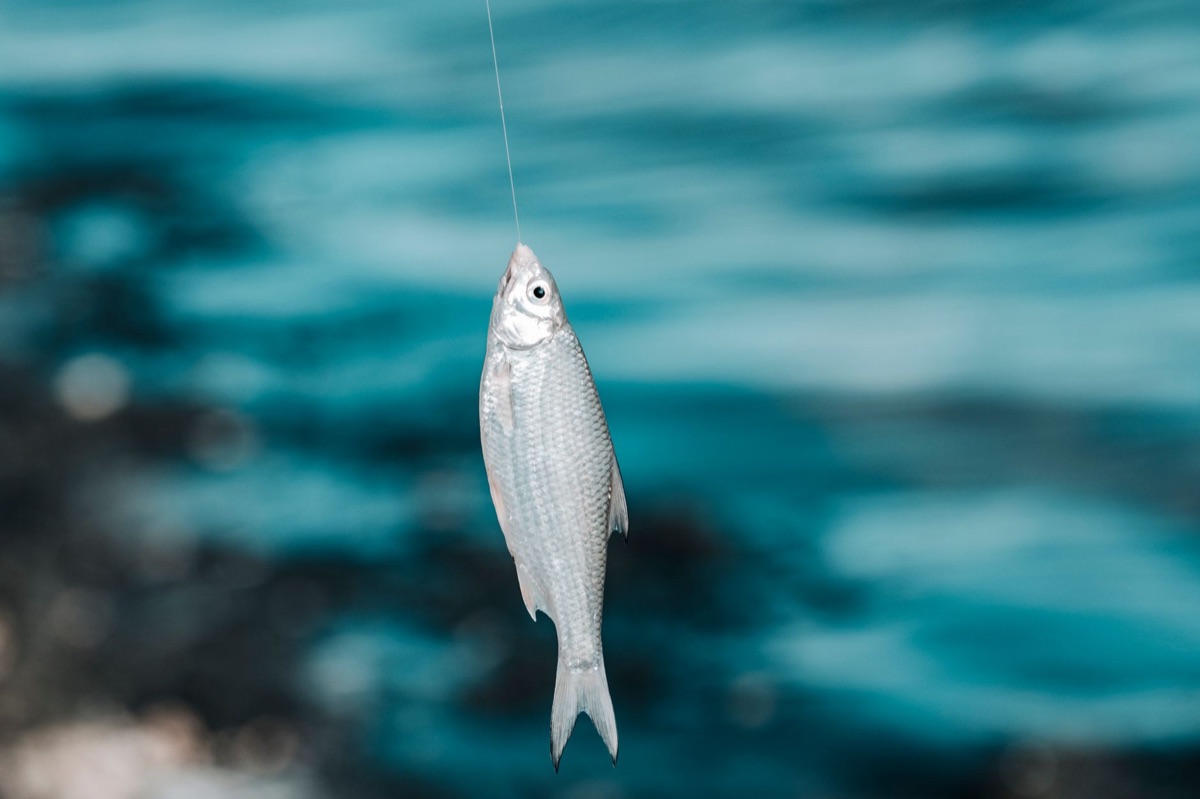
How do I get started? You stand at the local bait shop on a Tuesday afternoon, looking at a wall of colorful plastic lures and tangled nylon lines, feeling slightly out of your depth. The clerk smiles, knowing exactly which question is running through your mind: "Where do I even begin?"
Your first step is defining your objective. Are you looking for a peaceful escape from a high-stress job, or are you looking to conquer a new challenge? If your goal is relaxation, your roadmap will look very different from someone aiming to become a tournament angler.
Start by identifying your local waters. Small ponds, community lakes, and slow-moving rivers are ideal for beginners. These environments often have more stable fish populations and less complex currents than large lakes or rushing rivers.
For your first trip, don't overcomplicate things. Aim for a "trial run" rather than a grand expedition. Pack a small bag, grab a basic rod, and head out to a local spot to understand how the water moves and how the light changes throughout the day.
When I first started, I spent three hours at a local reservoir just watching the water move before I even cast a single line. That observation was more valuable than any expensive gadget.
Whether you are looking for a quiet way to spend a Saturday or a competitive way to test your patience, freshwater environments provide the perfect classroom.
But once you arrive at the water, the sheer amount of gear can be overwhelming.
What gear do I need to choose? You sit on a wooden pier at noon, carefully threading a thin line through the guides of a new rod, wondering if you picked the right setup. The weight of the reel feels balanced in your hand, but the sheer variety of tackle available makes you second-guess your choices.
Selecting gear is where many beginners feel the most pressure, but it doesn't have to be overwhelming. The goal is to match your equipment to your environment.
| Component | Purpose | Beginner Tip |
|---|---|---|
| Rod | The lever used to cast and fight fish. | A medium-action spinning rod is the most versatile. |
| Reel | The mechanism that holds and retrieves line. | Spinning reels are easier to use than baitcasters for novices. |
| Line | The connection between you and the fish. | Monofilament is forgiving and easy to knot. |
| Lures/Bait | The attraction to entice a strike. | Use live bait (worms/minnows) for high success rates. |
The Rod and Reel Matchup For most freshwater applications, a spinning rod and reel combo is the gold standard for beginners. They are easier to cast and less prone to the dreaded "bird's nest" tangles that plague more advanced baitcasting setups.
Ensure your rod's "action" (how much it bends) matches the fish you are targeting.
Lures vs. Bait Live bait, such as worms or small minnows, is often the most effective way to ensure you actually catch something. It provides immediate gratification. Artificial lures, on the other hand, are more about the "sport" of the hunt.
While they can be more challenging, they are easier to store and don't require a trip to a bait shop every time.
Budgeting for Beginners You do not need a thousand-dollar setup to be a successful angler. A decent entry-level combo can often be found for under $50. Avoid the urge to buy high-end graphite rods or specialized saltwater-grade reels until you understand the basics of casting and fish handling.
Small Essentials Checklist 1. A pair of needle-nose pliers (for hook removal). 2. A small tackle box to keep hooks, weights, and bobbers organized. 3. A basic first-aid kit. 4. Polarized sunglasses (to see through the water's surface).
But even with the right gear, you might find yourself sitting there with nothing happening.
Mastering the Art: Fun vs. Form
You sit quietly on a folding chair at 6:00 PM, watching a dragonfly land on the tip of your rod, feeling a deep sense of peace as the sun begins to set. There is no fish on the line, but you find yourself smiling anyway.
There is a vital distinction between *having fun* and *getting good*. If you only focus on the catch, you might find yourself frustrated during quiet hours. If you only focus on relaxation, you might never develop the skills to handle a larger fish.
Having Fun (The Pursuit) The joy of fishing often lies in the quiet moments: the perfect cast, the sound of the water, or the conversation with a friend. Set small, non-result-oriented goals. For example, try to perfect your casting accuracy or simply enjoy the feeling of being outdoors.
This prevents the hobby from feeling like a chore when the fish aren't biting.
Getting Good (The Skill) To advance, you must understand fish behavior. This means learning about feeding patterns—what fish eat, when they eat, and how they react to changes in light and temperature.
Patience is Key Fishing is an exercise in patience. There will be hours where nothing happens. Instead of seeing this as failure, see it as an opportunity to observe. Watch how the wind moves the weeds, how the shadows fall across the bank, and how the insects move.
This observation is the foundation of advanced angling.
But knowing the theory is one thing; finding the fish in the wild is another.
Point Strategy: Where and How to fish
You crouch low near a thick patch of lily pads at 7:15 AM, peering into the dark, still water, looking for any sign of movement. You remember what you read about "structure" and wonder if the fish are hiding beneath those leaves.
Successful fishing is often about "reading the water." Fish are rarely scattered randomly; they congregate where they feel safe or where food is abundant.
Reading the Water Look for "structure"—anything that breaks up the uniformity of the water. This includes fallen logs, submerged rocks, weed beds, or docks. These areas provide cover from predators and often house the fish you are looking for.
Depth also plays a role; fish often move to shallower water during warm days and deeper, cooler water when it gets hot.
Seasonal Adjustments As seasons change, so do fish movements. In the spring, fish often move to shallower, warmer waters to spawn. In the heat of summer, they might retreat to deeper, cooler pockets. Understanding these cycles allows you to predict where fish might be hiding.
Understanding Fish Behavior Fish are creatures of habit and instinct. They often feed during "low light" periods, such as dawn and dusk, when they feel more secure moving into shallower water.
Paying attention to these windows of opportunity is the difference between a quiet day and a successful one.
However, even the best strategy can be ruined by a single mistake.
Rookie Pitfalls & Safety Net
You stand at the edge of the bank at 10:00 AM, looking down at a tangled mess of line and a bent hook, feeling a wave of frustration hit you. You realize that a simple mistake in how you tied your knot has cost you the morning.
Avoid these common mistakes to keep your hobby enjoyable.
The "Wrong Gear" Trap Using a heavy-duty saltwater rod in a tiny pond might make casting difficult, while using a tiny trout rod to catch a large bass will lead to broken equipment. Always research your target species before selecting your gear.
Environmental Responsibility Always follow local fishing regulations. This includes knowing which species can be kept and which must be released. Additionally, practice "Leave No Trace" principles.
Never leave discarded line, lead weights, or trash behind, as these can harm wildlife and pollute the water.
Handling the Fish If you plan to practice catch-and-release, handle the fish with care. Wet your hands before touching them to protect their protective slime coating. Avoid holding fish by their gills or squeezing their bodies too tightly.
If you intend to keep your catch for a meal, ensure you have the proper tools to clean them and follow local food safety guidelines.
#




Comments 0