Freshwater Fishing: Beginner's Guide to Gear & Technique
"The tug on the line is a sudden, electric jolt that makes the rest of the world vanish."
Freshwater fishing is one of the most accessible ways to reconnect with nature, offering a perfect blend of quiet contemplation and sudden, adrenaline-fueled excitement.
Key Takeaways: * Freshwater fishing provides a lower barrier to entry and more immediate feedback than saltwater angling. * Success depends on matching your specific gear to the local environment and target species.
* The hobby is best enjoyed by balancing the pursuit of a catch with the meditative peace of being outdoors.
Why Choose Freshwater Fishing?
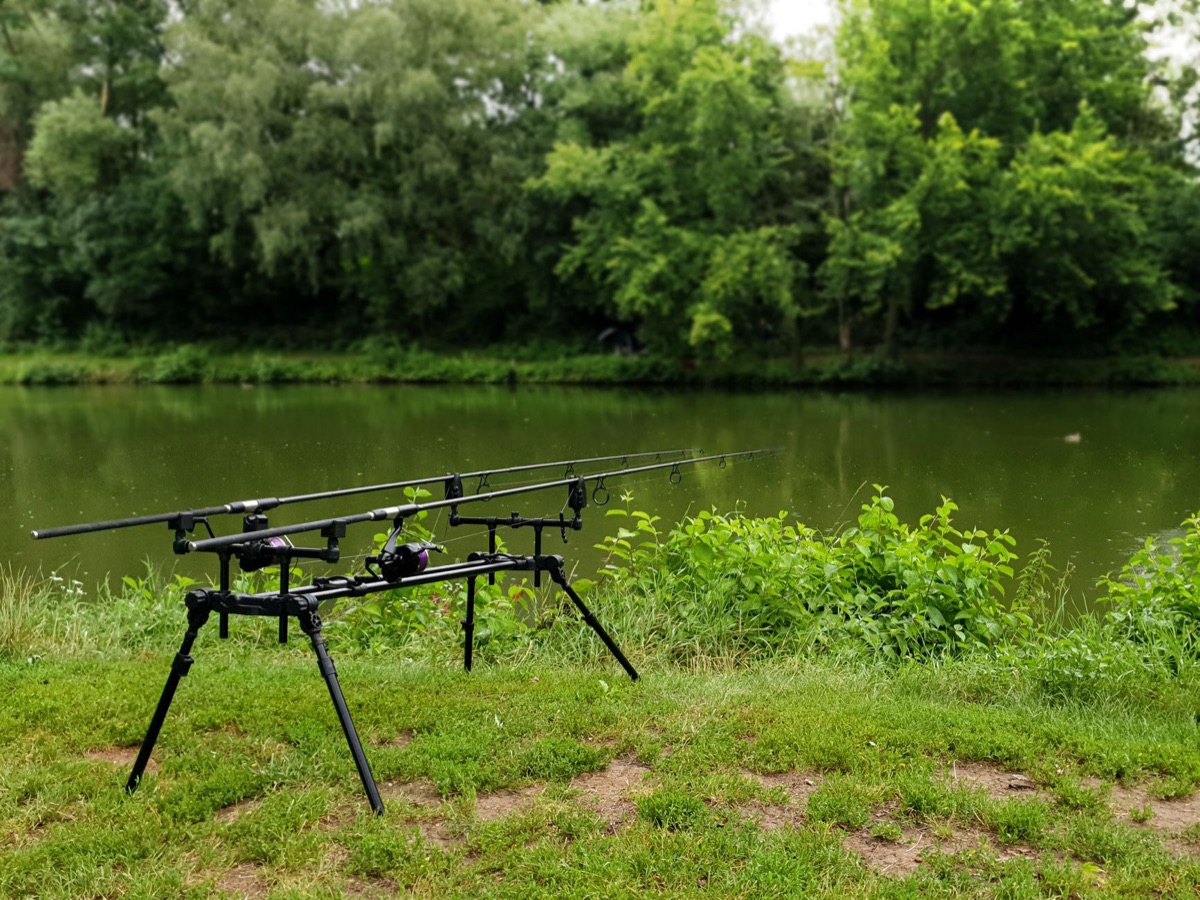
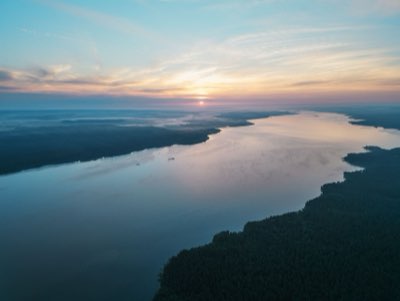
The sun is just beginning to crest over a line of pine trees, casting long, golden shadows across a still lake. You sit on a folding chair, the smell of damp earth and pine needles thick in the air, waiting for a ripple to break the surface.
According to the Food and Agriculture Organization, the world harvest in 2005 consisted of 93.3 million metric tons captured by commercial fishing in wild fisheries, plus 48.1 million metric tons produced by fish farms.
Freshwater fishing is often more approachable than heading out to the ocean. While saltwater fishing often requires navigating heavy swells, salt-corroded gear, and expensive boat rentals, freshwater environments like lakes, ponds, and rivers are often right in your backyard.
This accessibility makes it an ideal entry point for anyone looking to start a new hobby without immediate, massive logistical hurdles.
Beyond ease of access, there is a unique, tangible connection known as "the pull." In a small pond or a narrow stream, the fight between a fish and your rod feels much more direct and personal.
You aren't just pulling a line; you are feeling the life and strength of a creature through a thin piece of graphite. This immediate feedback makes every successful strike feel like a personal victory.
Furthermore, the versatility of freshwater environments allows for endless variety. You can transition from the quiet, slow-paced atmosphere of a lily-pad-covered pond to the moving, technical challenge of a mountain stream.
This variety ensures that the hobby remains fresh, even if you are fishing in the same general region every weekend. But how do you actually begin without feeling lost?
How do I get started? You stand at the edge of a local park pond, looking down at a tangled mess of line and a plastic tackle box, feeling slightly overwhelmed by the sheer number of choices.
The first step is to define your own purpose. Are you looking for "Fun Fishing"—an easy, low-pressure way to spend a Saturday with family—or are you interested in "Competitive Angling," where you focus on mastering technical skills and improving your catch rate?
Knowing your intent helps you decide how much time and money to invest early on.
Next, you need to scout your location. A large lake requires different preparation than a small, winding creek. For your first outing, look for local community ponds or managed lakes.
These often have higher fish density and more stable environments, making them perfect for practicing your cast without the complexity of heavy currents or deep-water hazards.
Your initial roadmap should be minimalist. Don't feel pressured to buy a professional-grade setup immediately. Start with a basic combo, a small tackle kit, and a local fishing license. Once you understand how the water moves and how fish behave, you can begin to specialize your gear.
But once you have the basics, how do you choose the right tools?
What gear do I actually need? You pull a heavy, salt-crusted reel out of a bag, only to realize it feels awkward and unbalanced in your hand when you try to cast it toward a narrow bank.
Choosing the right equipment is about balance. A common mistake is buying a heavy-duty saltwater rod for a light freshwater application. For freshwater, you need to consider the relationship between your rod, your reel, and your line weight.
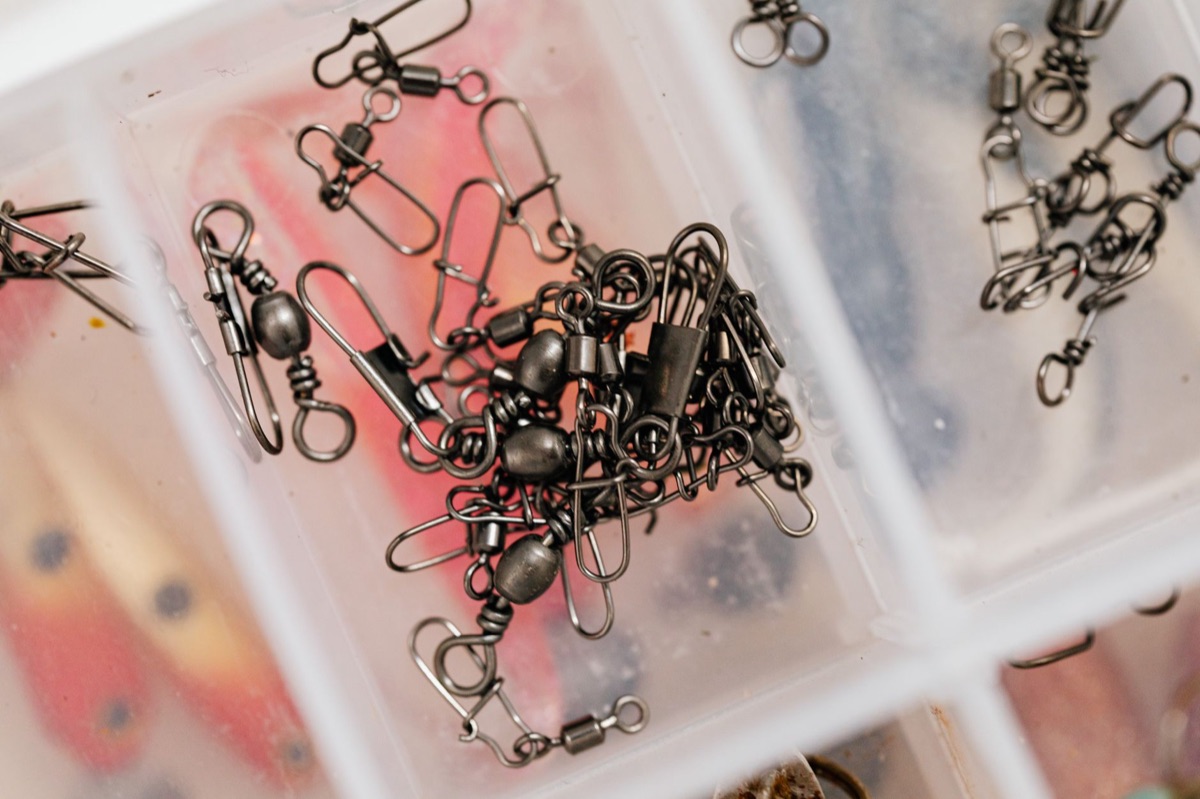
* Rod & Reel Pairing: For general freshwater use, a medium-action spinning rod is a versatile choice. It is sensitive enough to feel small nibbles but strong enough to handle a decent-sized bass or trout. Ensure your reel is sized appropriately for the rod to maintain balance. * Lures vs. Bait: Live bait, such as worms or minnows, is often the easiest way to catch fish quickly. Artificial lures, however, allow you to practice "active" fishing, where you mimic the movement of prey. * Apparel & Safety: Always dress in layers. A sudden temperature drop or a light rain can change your experience entirely. Waterproof boots or waders are helpful if you plan to step into shallow water, but for beginners, sturdy, waterproof footwear is usually sufficient.
Budget Tip: Instead of buying a high-end setup right away, look for mid-range "combos" that include both a rod and a reel. This ensures they are designed to work together.
When I first started, I spent $150 on a specialized fly-fishing kit before realizing I didn't even know how to tie a basic knot. I learned the hard way that versatility beats specialization every time.
You can always upgrade to high-performance components once you understand which specific characteristics matter most to your style.
| Gear Type | Best For | Pros | Cons |
|---|---|---|---|
| Spinning Combo | Beginners / General Use | Easy to cast, versatile | Less specialized for heavy fish |
| Baitcasting Combo | Advanced / Larger Fish | High precision, strength | Harder to master, requires technique |
| Fly Fishing Kit | Streams / Technical Skill | Unique experience, quiet | High learning curve, specialized |
But gear is only half the battle; the real challenge is the mindset.
Mastering the Art: Fun vs. Skill
You sit quietly on a mossy rock, watching a dragonfly hover over the water, realizing that even though you haven't had a bite in an hour, you haven't felt this relaxed in weeks.
There are two ways to approach this hobby, and the best anglers know how to switch between them.
Fun Mode (Low Pressure): This is about the experience. It is about the conversation with a friend, the sound of the water, and the simple joy of being outside. In this mode, a small catch is a huge success, and a quiet afternoon is a perfect day. There is no pressure to "perform."
Skill Mode (Progression): This is where you focus on growth. You might spend an afternoon practicing your casting accuracy, trying to land a lure exactly on a specific fallen branch, or studying how fish move through different water depths.
This mode is about setting small, technical goals to improve your efficiency.
Patience is the bridge between these two modes. Sometimes, the most productive thing you can do is wait. Understanding the quiet, meditative aspect of waiting is just as important as knowing how to cast. However, once you find your rhythm, you'll want to push further.
Advanced Tactics: Moving Beyond the Basics
You crouch low near a thicket of reeds, peering into a dark patch of shadow where the water meets the bank, looking for the subtle movement of a predator.
Once you have mastered the basics, you can begin to "read" the water. This is the transition from just casting a line to actively hunting.
- Identify Structure: Fish rarely hang out in the middle of an empty, featureless pond. They look for "structure"—fallen logs, rock piles, weed beds, or docks.
- Monitor the Light: Light and temperature heavily influence feeding patterns. Often, fish are most active during "golden hours"—dawn and dusk—when the light is low and cover is high.
- Analyze the Environment: Observe the water temperature and current. A sudden shift in weather can move fish from shallow banks to deeper, cooler pockets.
- Tailor the Presentation: A bluegill behaves very differently than a largemouth bass. As you progress, you will learn to tailor your presentation. For example, a small, brightly colored lure might work for panfish, while a larger, more realistic lure might be needed for predatory species.
By following these steps, you move from being a visitor to being a participant in the ecosystem. But what happens when the fish just aren't biting?


Comments 0