From Scraps to Style: Leather Projects Under $30 to Start
"A single piece of leather can become a lifelong companion, but you don't need a workshop full of expensive machinery to begin that journey."
You can transform simple scraps into beautiful, functional items without breaking the bank. By starting with small projects like keyrings, you build the skills necessary to eventually craft complex bags.
* Low-cost entry is possible by starting with small, achievable projects like keyrings. * Focus on the "Fun Way" (enjoying the process) versus the "Mastery Way" (perfecting technique). * Small initial investments allow you to scale your hobby as your skills grow. * Foundational knowledge can be gained through scraps and basic starter kits.
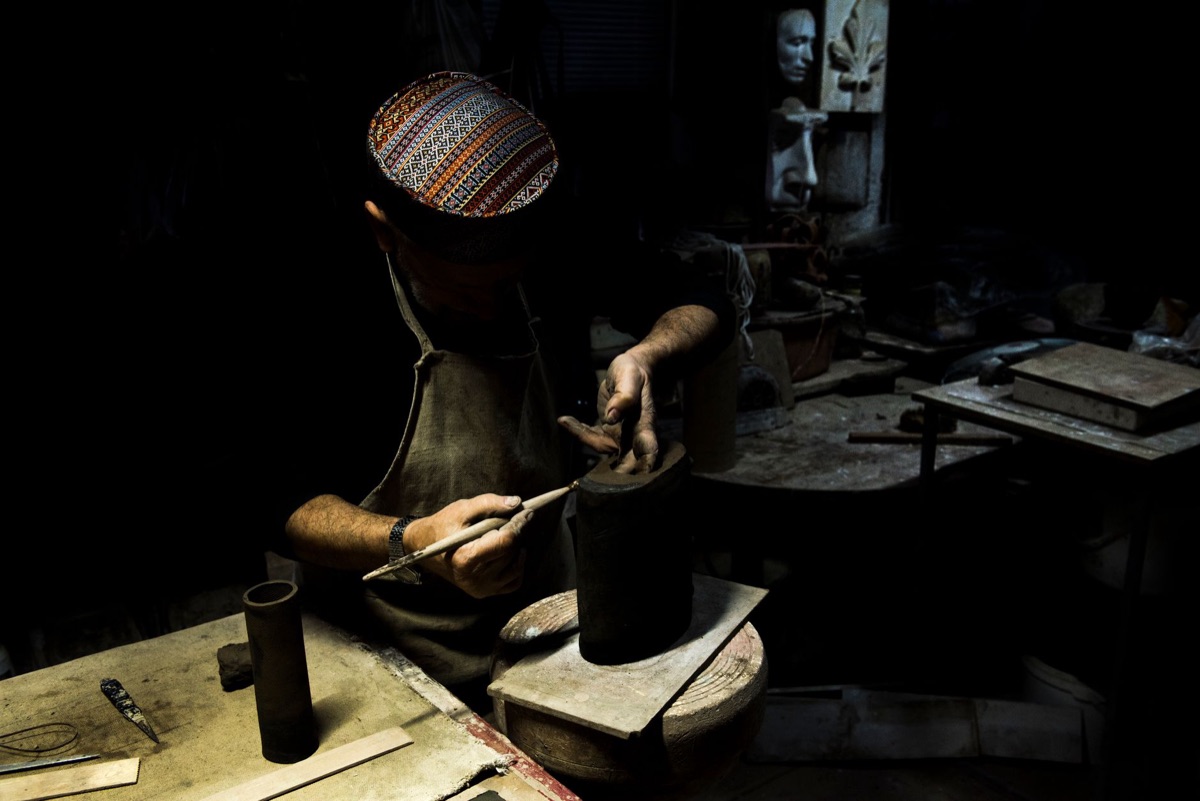
Why Leather Crafting? Finding Your Starting Point
The smell of tanned leather and the tactile sensation of a sharp blade through a thick hide can be incredibly grounding. It is a hobby that combines tactile satisfaction with the ability to create something that lasts for decades.
Many people look at professional leather workshops and see a barrier of expensive machinery and massive hides. They assume they need a dedicated studio and a thousand dollars in tools just to make a cardholder. This is a myth that stops many talented makers before they even pick up a needle.
Leather crafting exists on a wide spectrum. On one end, you have quick, one-hour projects like keyrings or cord organizers. On the other end, you have months-long projects like structured weekend bags.
Starting small is the secret to longevity in this hobby. If you try to sew a heavy-duty messenger bag on your first weekend, you will likely end up frustrated and discouraged. By setting small, manageable goals, you build the muscle memory and confidence needed for bigger projects.
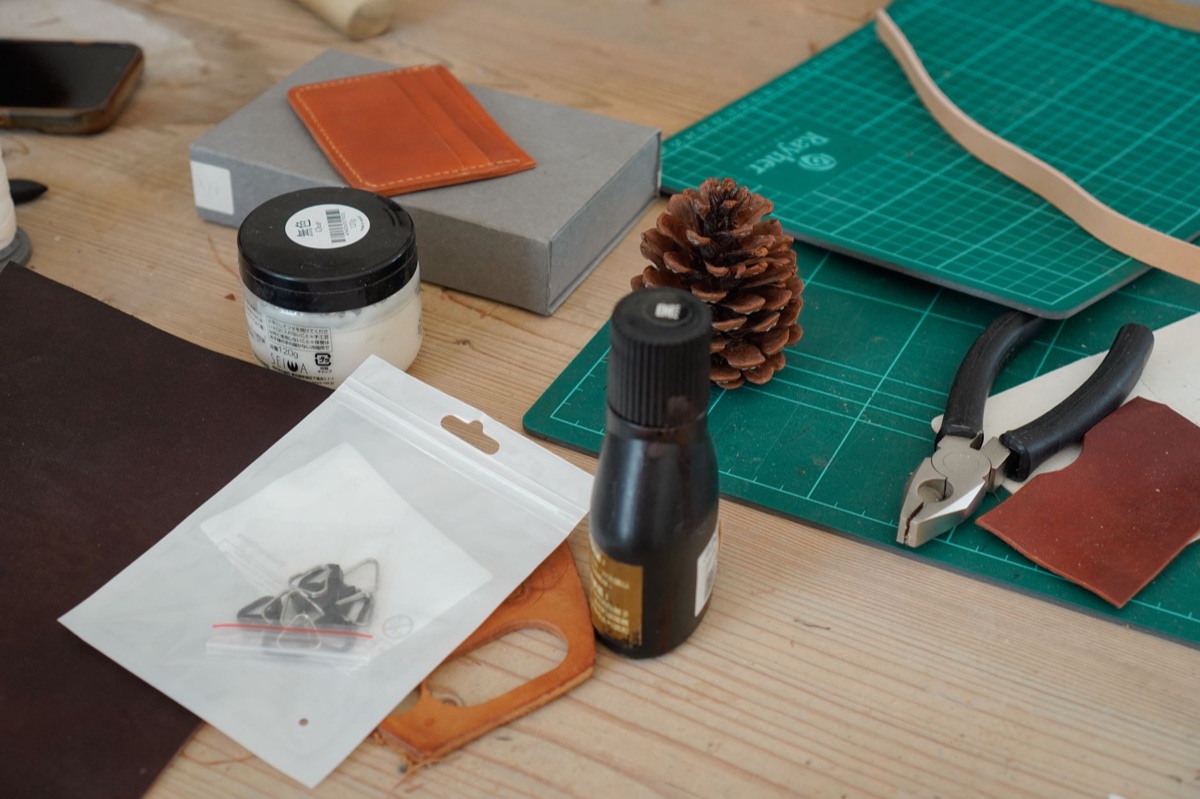
How can I get started on a budget? I remember sitting at my kitchen table in the summer of 2025 with nothing but a single piece of leftover leather and a cheap utility knife, wondering if I could actually make something useful. That tiny, imperfect keychain was the spark that turned a curiosity into a passion.
For your very first project—a simple keyring—you only need a few basic items. A sharp craft knife or heavy-duty scissors, a ruler, a small amount of leather, and a way to attach hardware (like a split ring) are enough.
You don't need a professional-grade beveler or an electric sewing machine to make your first successful item.
Instead of buying a full cattle hide, look for "remnants" or "scraps." Many local leather suppliers sell small pieces of high-quality leather at a fraction of the cost of a full skin. You can also find beginner kits that include pre-cut leather and the exact amount of thread you need.
As you move from keyrings to wallets, you will naturally transition from scraps to more substantial materials. It is helpful to understand what you are working with. For instance, cattle hides make up about 65% of all leather produced, making them a common and reliable choice for beginners.
Other materials like sheep (about 13%) or goats (about 11%) offer different textures and thicknesses that might suit different projects.
| Project Level | Typical Item | Main Tools Needed | Estimated Budget |
|---|---|---|---|
| Beginner | Keyring / Cord Wrap | Knife, Ruler, Scraps | $15 - $30 |
| Intermediate | Cardholder / Small Pouch | Pricking Irons, Needles, Thread | $50 - $100 |
| Advanced | Tote Bag / Backpack | Complete Tool Set, Heavy Leather | $200+ |
Should I focus on fun or on mastery? Walking into a craft store in early 2026 can feel overwhelming when you see professional-grade tools that cost as much as a laptop. It is easy to feel like you are failing because your stitches aren't perfectly straight or your edges look a bit rough.
The "Fun Way" is about pure engagement. It is about making a simple keychain because you want something cool for your keys. In this mode, you embrace the imperfections. You focus on the joy of making, the smell of the material, and the satisfaction of finishing a project.
It is okay if the edges are a little uneven; the goal is the successful completion of the object.
The "Mastery Way" is for those who want to hone a craft. This involves structured practice, such as practicing consistent stitch spacing or learning how to burnish edges to a glass-like finish.
In this mode, you are looking for ways to improve your technique and move toward professional-grade results.
You can move between these two modes depending on your mood. Some weeks you might want to tinker with a complicated pattern (Mastery), and other weeks you might just want to relax and make a simple coaster (Fun). The key is to never let the desire for perfection kill the desire to create.
Beyond the Basics: Advanced Techniques & Material Deep Dive
After you have mastered the simple loop of a keyring, you will start noticing the nuances of the material. You might find yourself wondering why some leather feels different than others or why certain edges look so smooth.
As you progress, you will encounter more complex tasks like edge-painting, saddle stitching, and hardware installation. These techniques require more specialized tools but offer much higher levels of polish. You will also learn that leather is a biological material that requires care.
For example, exposure to long periods of low relative humidity (below 40%) can cause leather to become desiccated, which can irreversibly change its fibrous structure.
Understanding the composition of your materials is also vital as you move into more specialized products. Some materials are made of a composition of leather fibers, where the amount of leather fibers in the mix can vary from 10% to 90%.
In some cases, an industry product might consist of 60% shredded leather fibers and 40% non-leather substances. Knowing whether you are working with solid leather or a bonded material helps you understand how it will age and how much weight it can carry.
Common Pitfalls & Troubleshooting for Beginners
I once spent three hours trying to cut a perfect circle, only to realize I had held the knife at the wrong angle, resulting in a jagged mess. It was frustrating, but it taught me more about blade control than any tutorial ever could.
The most common mistake is trying to achieve professional results on your very first piece. If you aim for a perfect designer-style bag immediately, you will likely quit. Another mistake is over-investing in expensive tools too early.
Do not buy a heavy-duty stitching pony or an expensive set of Japanese punches until you have actually used basic tools to finish several projects.
Patience is your most important tool. Leatherwork is a slow craft. It requires careful measurement, steady hands, and often, starting over when a cut goes wrong. Always remember to work in a well-lit area and keep your fingers clear of the blade's path.
How to Start Your First Project: A Step-by-Step Guide
If you are standing in your living room looking at a pile of scraps and feeling paralyzed, follow this exact sequence to get your first win.
- Select your material: Pick a piece of leather that is at least 2mm thick to practice cutting and punching without the material buckling.
- Mark your lines: Use a ruler and a scratch awl or a pencil to mark exactly where you will cut and where your holes will go.
- Cut the shape: Using a sharp craft knife, cut your shape in one smooth motion rather than multiple small, jagged strokes.
- Punch your holes: Use a single-prong punch or a needle to create holes along your marked lines, ensuring they are perpendicular to the leather.
- Assemble and finish: Thread your cord or thread through the holes, secure the ends, and use a piece of wood or a smooth stone to rub the edges until they look neat.
Limitations and Trade-offs
It is important to note that while small projects are excellent for learning, they won't teach you everything. A keyring won't teach you how to manage the structural tension of a large bag or how to line an interior.
Furthermore, using low-cost scraps means you may encounter inconsistent thicknesses that can make your practice frustrating. If you are working with very thin leather, traditional punching tools may tear the material rather than piercing it cleanly.






Comments 0