Freshwater Fishing: Start Your Journey Under $50 Today
"The quiet thrill of a tug on the line is a reward for those who have learned the art of patience."
Getting into freshwater fishing doesn't require a massive bank account or a professional boat. It is a hobby centered on patience, observation, and a quiet connection to the outdoors.
* Difficulty: Beginner to Intermediate * Time Commitment: 2 hours to a full afternoon * Essential Gear: Rod, reel, tackle kit, bait, folding chair, and personal hygiene supplies
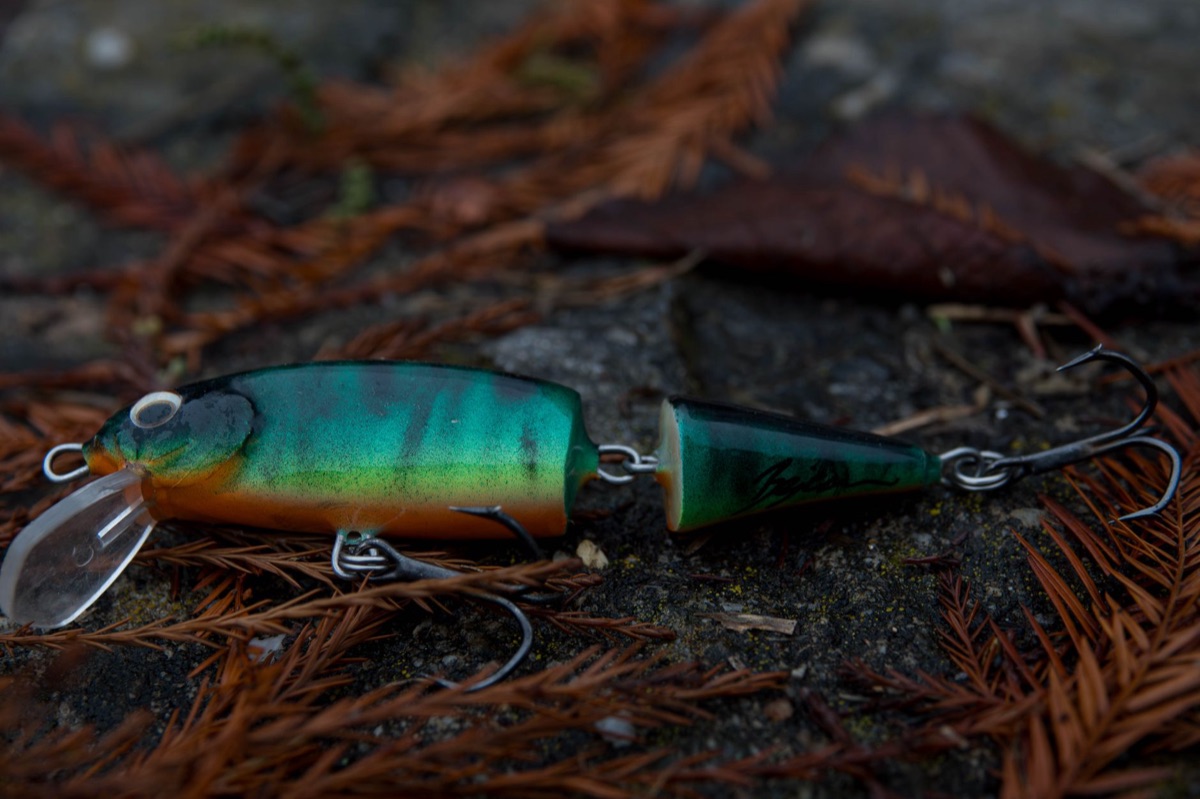
Should I buy a rod or a versatile reel first? Walking along a misty lakeside trail at sunrise, you might notice that every angler carries a different weight of gear. Some lug heavy backpacks filled with specialized tools, while others carry nothing but a single, light rod.
According to the Food and Agriculture Organization, the world fishing fleet in 2004 consisted of about 4 million vessels.
Freshwater fishing generally falls into two categories: using a reel for casting (like lure fishing) or using a pole-style setup for more traditional methods. For a beginner, starting with a spinning reel and rod combo is often the most versatile and user-friendly entry point.
You don't need to spend hundreds of dollars right away. A decent entry-level spinning combo can often be found for under $50, which is more than enough to catch species like bass or bluegill.
When selecting gear, consider your destination. If you plan to fish in moving rivers, you might want a rod with more backbone to handle the current. If you are sitting on a still pond, a more sensitive setup might be better for feeling subtle nibbles.
* Entry-level spinning combo: $40–$80 * Tackle kit (hooks, weights, bobbers, etc.): $15–$25 * Bait (worms, lures, or soft plastics): $5–$15 * Personal gear (folding chair, hat, sunscreen): Varies by preference
When I first started, I spent too much time overthinking the technical specs of carbon fiber versus fiberglass. I eventually realized that a simple, reliable setup was much better than a complex one that I couldn't actually control.
But choosing the gear is only the first step; the real challenge begins when you actually stand at the water's edge.
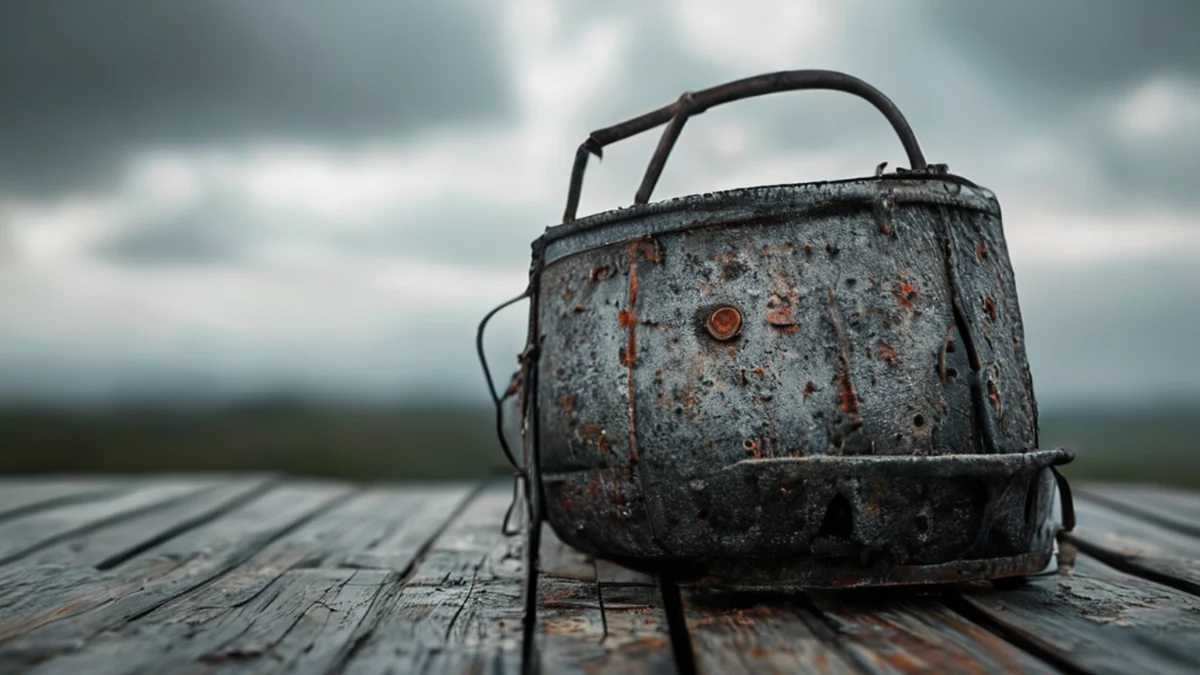
How do I actually set up my line?
You sit on a folding chair, cast your line into the water, and suddenly the sounds of the world fade into the background, leaving only your eyes fixed on the bobber.
The first real hurdle in fishing is mastering "rigging." This is the process of attaching your line to the rod, setting up your bobber, and ensuring your weight (sinker) is balanced so the bait sits at the right depth.
- Identify your target: Decide if you want to hunt for bass, trout, or panfish.
- Choose your setup: Decide between a spinning reel for casting or a pole for stationary fishing.
- Practice your knots: Learn how to tie the line to the hook and secure your tackle.
- Master the cast: Practice throwing your line toward your target without tangling.
It is common to feel frustrated when your line tangles or your bobber drifts away. Practicing your knots and casting in a backyard or a local park before heading to a remote lake can save you a lot of stress.
When I was learning, I remember standing in my driveway at 6:00 AM, repeatedly casting into a bucket of water just to get the rhythm right. That practice made the difference when I finally stood on a real pier.
However, once you can cast, you have to decide what kind of experience you are actually looking for.
Is this for relaxation or competition? As the sun begins to set, painting the sky in deep oranges, one angler might sit perfectly still, lost in thought, while another grips their rod tightly, eyes scanning the water for the slightest ripple.
This distinction highlights the two different ways people approach the hobby.
1. The Relaxation Approach (Healing Mode) For many, fishing is a form of meditation. The goal isn't necessarily to fill a bucket, but to find peace.
* Solo time: Use the quiet to read a book or listen to a podcast. * Nature photography: Capture the scenery rather than just the fish. * Lightweight gear: Carry only what you need to keep movement easy and stress-free.
2. The Skill-Building Approach (Achievement Mode) If you want to catch larger fish or more frequent bites, you will need to approach the hobby with more technical intent.
* Reading the water: Learn to understand depth, current, and underwater structures like rocks or weeds. * Seasonal strategies: Study how fish behavior changes with water temperature and light. * Community engagement: Join local angling clubs to learn advanced techniques from veterans. * Technical precision: Master perfect knots and precise weight balancing.
| Category | Relaxation Mode | Achievement Mode |
|---|---|---|
| Primary Goal | Stress relief and nature connection | Maximizing catch and skill mastery |
| Gear Style | Portability and comfort | Functionality and precision |
| Core Skill | Patience and observation | Tactical placement and technique |
| Best For | Those looking for an escape | Those looking for a challenge |
Choosing a mode is important, but even the most prepared angler can stumble over the basics.
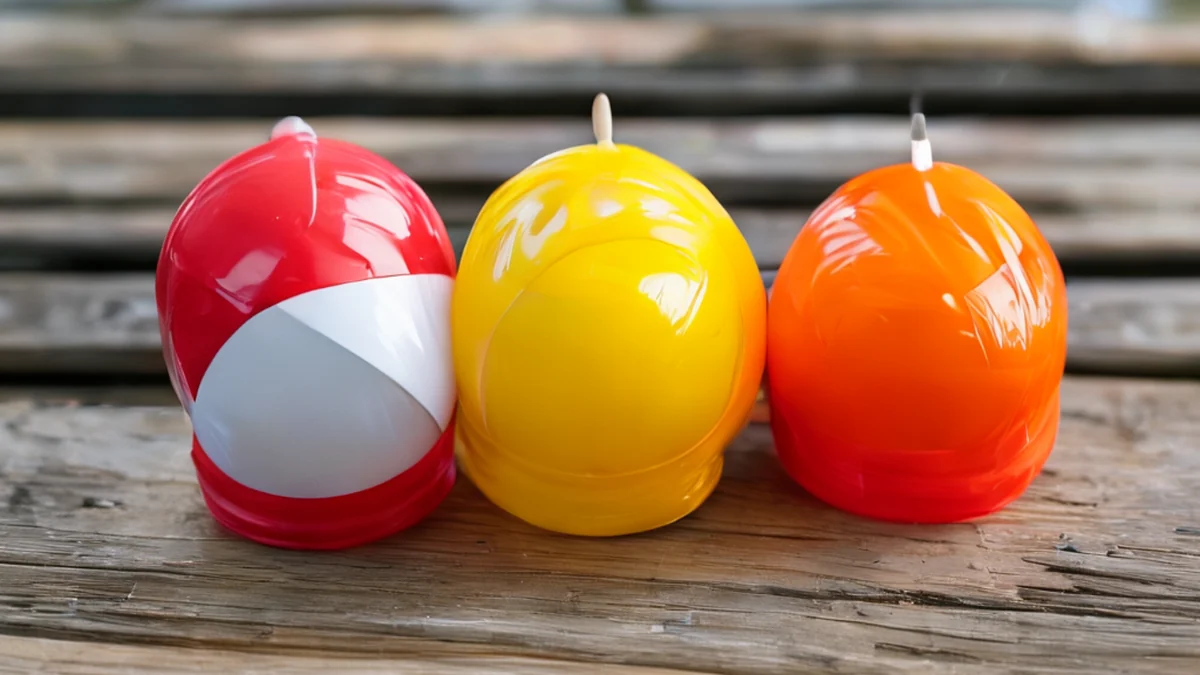
What are the most common beginner mistakes?
The moment a fish suddenly pulls the rod toward the water, a beginner might panic, potentially losing their gear or struggling to maintain control.
One of the most common mistakes is "blind casting." Simply throwing a line into any patch of water rarely works; fish are often found in specific habitats.
Another mistake is using improper weight—either too heavy, which makes the line sink unnaturally, or too light, which makes it impossible to cast accurately.
Safety and etiquette are just as important as catching fish.
* Watch your step: Always wear shoes with good grip when walking on slippery docks, rocks, or muddy banks. * Leave no trace: Always pack out everything you bring in. Discarded line and trash can harm local wildlife. * Check local laws: Ensure you are fishing in legal areas and understand local seasonal restrictions. * Respect the fish: If you catch a fish that is too small or is in a spawning season, practice catch-and-release.
When I first went out, I didn't realize how slippery a mossy rock could be. One wrong step and I nearly lost my entire tackle box to the lake.
Knowing the mistakes is one thing, but knowing how to prepare for the actual trip is where the success happens.
Preparing for your first trip
Sitting by the water with a rod in hand is more than just a way to catch food; it is a way to reclaim your own time.
You might spend your first few hours looking at an empty line, which can feel discouraging. However, the true essence of fishing lies in noticing the changing colors of the water, the temperature of the breeze, and the sounds of the surrounding woods.
| Phase | Activity | Pro Tip |
|---|---|---|
| Step 1 | Purchase basic gear and learn knots | Practice knots at home first |
| Step 2 | Visit a local pond or river | Avoid overly rugged terrain initially |
| Step 3 | Practice casting and weight balance | Focus on smooth, controlled casts |
| Step 4 | Explore new spots and keep notes | Keep a small journal of your catches |
I remember my first real trip at 5:30 AM on a quiet pier. The air was cold, and the water was like glass. That moment of stillness was worth more than any catch.
#




Comments 0