Soap making guide best tips for beginners 20%
"The art of soap making is not just about cleaning; it is about the tactile joy of transforming raw oils into something useful and beautiful."
This guide focuses on the fundamental items required to begin your hobby without overwhelming your workspace.
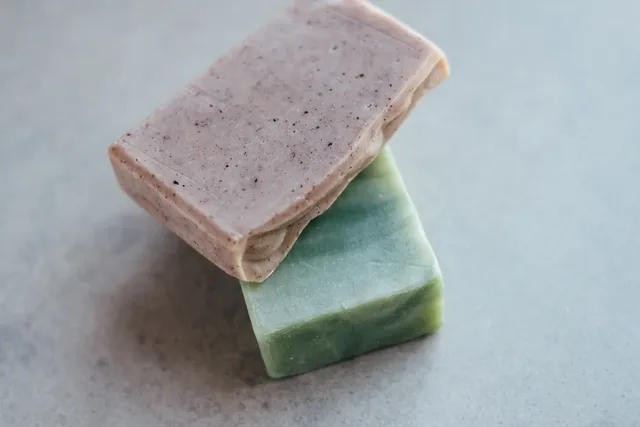
* A base soap stock or raw oils * Lye and distilled water * Mixing containers and spoons * Measuring scales and thermometers * Molds for shaping
What exactly comes in a soap making starter kit?
You reach into a cardboard box, pulling out a heavy glass beaker and a long stainless steel spoon. A soap making starter kit usually contains the foundational tools needed to handle the chemical transition from liquid oil to solid bar.
A beginner soap tools collection typically includes a digital scale to ensure chemical accuracy and a thermometer to monitor temperature changes during the saponification process. Using a kit helps avoid the frustration of buying individual items that may not be compatible in size or material.
This approach allows you to focus on the sensation of the thick, creamy soap batter as it begins to set.
Can I use essential oils for my very first craft?
The scent of lavender fills the small kitchen as you carefully drip a dark liquid into a clear jar of oils. Essential oils are a common addition to first soap craft needs, providing both fragrance and potential skin benefits.
Many beginners start with simple scents to avoid the complexity of blending multiple aromatic profiles.

While many people seek out a basic soap craft setup guide to find specific scents, it is important to remember that fragrance is an additive rather than a core structural component. You must ensure that any oil you add is compatible with the lye concentration to prevent the batch from separating.
This step is part of the creative enjoyment of customizing your personal hygiene products.
What are the essential soap supplies for traditional methods?
In the quiet kitchen, you smell the earthy aroma of olive oil as you pour it into a bowl to prepare your essential soap supplies.
You watch as thick, golden olive oil pours slowly into a ceramic bowl, smelling the earthy richness of the plant fats. Essential soap supplies for those interested in traditional methods often involve high-quality oils like olive oil and laurel berry oil.
These ingredients form the structural heart of the soap itself.
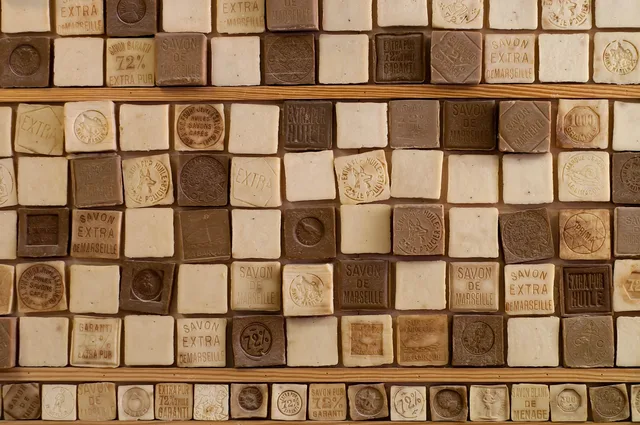
According to Wikipedia, Aleppo soap is made with olive oil, the oil of the laurel berry (zeit ghar), water, and lye. The concentration of laurel oil, typically 2–20%, determines the quality and cost of the soap.
When you are preparing your workspace, choosing these specific oils can lead to a much more professional result in your finished bars.
How can I find cheap soap making for newbies?

You scan a local craft store shelf, looking for budget-friendly alternatives to expensive pre-made kits. Finding cheap soap making for newbies involves prioritizing multi-use kitchen items over specialized laboratory equipment.
For example, a stainless steel pot you already own can often serve as a melting vessel.
To set up a low cost soap prep area, follow these steps: 1. Gather heat-resistant glass or stainless steel containers from your kitchen. 2. Use a standard kitchen scale for weight-based measurements instead of volume. 3. Purchase oils in larger quantities to reduce the price per ounce. 4.
Check your final measurements against your recipe to ensure accuracy.
I found that using my own heavy-duty glass bowls made the initial transition much easier on my budget.
What are the limitations of beginner soap making?
You hold a finished bar of soap, noting how the edges are slightly uneven compared to a store-bought version. A significant limitation for beginners is the difficulty of controlling the precise temperature and lye-to-oil ratio without professional-grade equipment.
According to Wikipedia, the concentration of laurel oil in traditional soaps determines both the cost and the quality.
- To start your first project, you need five essential categories of supplies: a base material or soap stock, oils, lye, water, and basic mixing tools.
- You should focus on the process of creation rather than immediate perfection, though please note that working with lye requires strict safety precautions that go beyond simple tool preparation.
- These kits aim to provide everything from heat-resistant vessels to the basic implements required for stirring and pouring.
The subject here is Soap making starter kit.
This part also covers What to buy for soap art.
Related
- Tteokbokki Tips: Easy gift tteokbokki recipe guide
- Drone use in nature guide: Safety standards for flight
How does lye interact with the oils during soap making?
- The lye reacts with the raw oils through a chemical process called saponification. 2. This reaction transforms the liquid oils into a solid soap structure. 3. Controlling the lye concentration is a critical step in the making process. 4. If the temperature is not monitored, the reaction rate can become unpredictable.
The mixing containers must be resistant to the corrosive nature of the lye solution. This caution is necessary because improper vessels can compromise the entire batch of soap making.
What considerations apply when adding essential oils?
- The essential oils are an additive, meaning they do not form the soap's core structure. 2. Compatibility between the added oil and the lye concentration must be verified. 3. Separation of the batch can occur if this compatibility condition is ignored. 4. This customization aspect adds to the creative enjoyment of soap making.
When selecting oils, beginners should choose simple scents to manage the complexity of blending aromatic profiles. This initial focus helps the maker concentrate on the physical transformation during soap making.
The tactile joy of transforming raw oils into something useful and beautiful is enhanced when the maker understands the role of every supply item. Proper attention to the process ensures the final soap making product meets expectations.
Wikipedia: Aleppo soap Based on the retained excerpt mentioning UNESCO: In December 2024, the "craftsmanship of Aleppo Ghar soap" was recognized by UNESCO as an Intangible cultural heritage.




Comments 0