Embroidery tips beginner embroidery guide enjoy process
"Embroidery is not just about the final pattern, but about the rhythm of the needle passing through the fabric."
To start embroidery without a heavy financial burden, you only need a few fundamental tools like a needle, thread, and fabric. This beginner embroidery guide focuses on low-cost entry points to help you enjoy the process immediately.
Key takeaways include selecting basic supplies, distinguishing between enjoyment and technical mastery, and understanding the historical roots of various stitches.
What is embroidery?
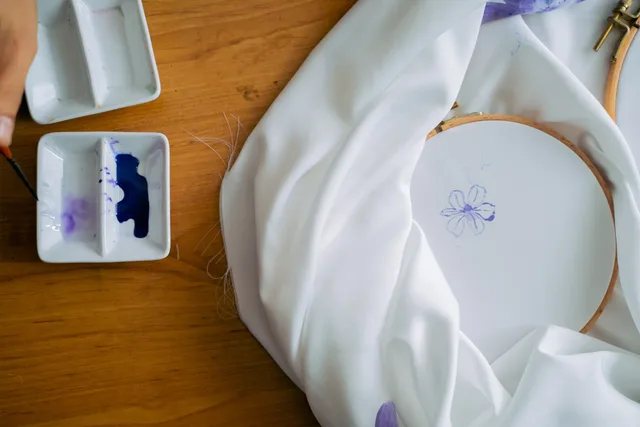
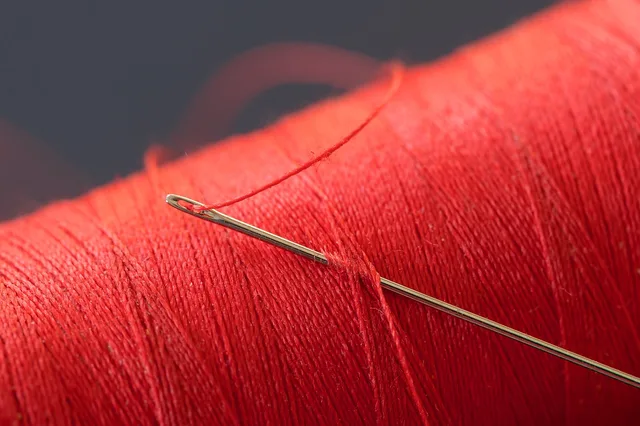
A needle pierces a piece of linen, pulling a slender thread through to create a decorative pattern. This craft involves using thread to embellish fabric, creating textures that turn plain cloth into art. It serves as a creative outlet where you can transform simple materials into intricate designs.
According to the Suzhou Silk Museum Chinese, the satin stitch is a common form of stitch used in Chinese embroidery.
The practice offers a sense of tactile satisfaction that digital hobbies cannot replicate. You might find peace in the repetitive motion of the needle as you create colorful motifs. This hobby allows for endless creative expression, whether you are making small ornaments or large wall hangings.
Historically, the craft has deep cultural roots. For instance, the Satin stitch is a common form of stitch used in Chinese embroidery. This method creates a smooth, glossy surface that catches the light beautifully.
How to start embroidery? beginner embroidery guide
In the morning sun, you sit at the wooden table and feel the smooth cotton while starting your embroidery.
You sit at a wooden table, unrolling a small piece of cotton fabric. The quiet atmosphere of the room settles around you as you prepare your first hoop. This initial step is the most important part of your journey.
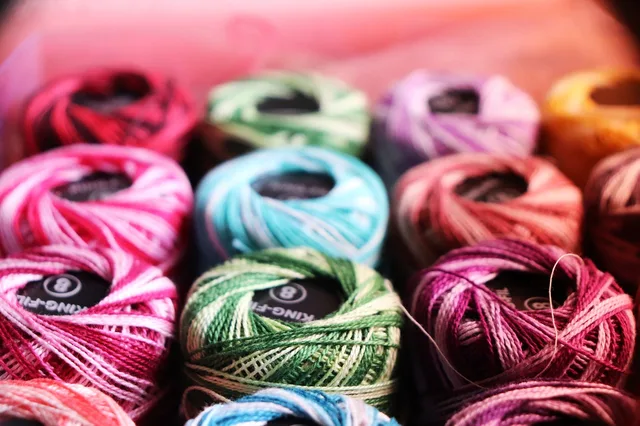
To begin this hobby, follow these basic steps:
- Select a sturdy fabric like cotton or linen to ensure your stitches hold well. 2. Acquire a variety of embroidery floss in colors that appeal to your aesthetic. 3. Use a metal or wooden hoop to keep the fabric taut while you work.
I remember my first attempt, feeling the tension of the thread as I struggled to keep the fabric straight. It is a learning process that requires patience rather than immediate perfection.
- Choose a simple pattern.
- Select a high-quality fabric.
- Practice basic stitches.
What are the essential embroidery supplies?
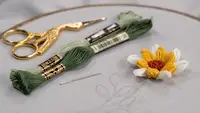
A small kit sits on the desk, containing a handful of colorful thread spools and a single needle. You can find these items at most local craft stores or online without spending much. This low-cost approach ensures you do not feel pressured to perform perfectly right away.
The variety of materials allows for different styles. You might encounter the Pekin knot, which is a knotted stitch that originated in China. This specific technique adds three-dimensional texture to your work.
| Supply Type | Primary Use |
|---|---|
| Embroidery Floss | Creating colorful patterns |
| Fabric Hoop | Maintaining tension |
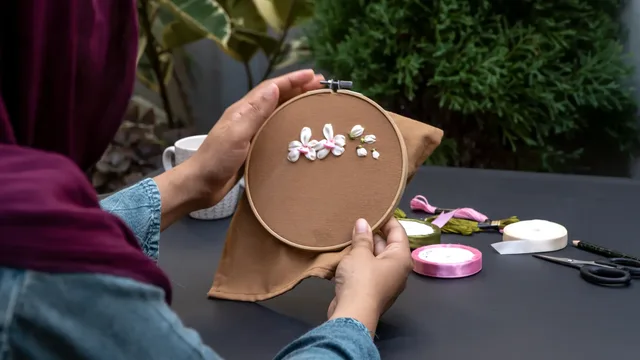
This simple list provides everything needed for a beginner embroidery kit info search.
How to enjoy embroidery without pressure?
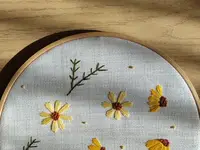
You look at a small, imperfect flower you stitched on a scrap of cloth. Instead of worrying about the uneven edges, you focus on the sensation of the thread sliding through the weave. The goal is to enjoy the process rather than achieving professional results.
To enjoy the hobby, focus on these aspects:
* Set small, manageable goals like finishing one small leaf. * Document your progress through photos of your unfinished pieces. * Share your creative journey with friends or online communities.
When you prioritize the act of creating over the final product, the hobby becomes a source of relaxation. This mindset prevents the frustration that often comes with complex patterns.
In this sequence, the second step is the longest.
How to improve your embroidery skills?
A professional-grade hoop sits under a bright lamp as you practice complex patterns for hours. You move from basic straight stitches to more intricate textures to challenge your dexterity. This path is for those who want to master the technical nuances of the craft.
To develop technical proficiency, follow these steps:
- Practice individual stitches repeatedly to build muscle memory. 2. Study historical patterns to understand different regional techniques. 3. Join a local or online community to receive constructive feedback.
A limitation of this method is that mastering intricate textures requires significant time and consistent practice.
The subject here is beginner embroidery guide.
The same subject is also called embroidery starter kit info.
The same subject is also called simple embroidery basics.
The same subject is also called home embroidery for novices.
This part also covers embroidery supplies at home.
Related
What are the conditions for a successful start?
- The initial step requires unrolling a small piece of cotton fabric at a wooden table. 2. You must select a sturdy fabric like cotton or linen so that your stitches hold well. 3. Acquiring a variety of embroidery floss in colors that appeal to your aesthetic is necessary.
The enjoyment of embroidery is often tied to the initial setup; the quiet atmosphere of the room helps set the stage for creative work. If the fabric is not kept taut using a metal or wooden hoop, the resulting stitches might lack definition. This foundational preparation is crucial before focusing on the final pattern.
How does the process compare across different goals?
The focus shifts significantly depending on whether the goal is enjoyment or technical mastery. When prioritizing enjoyment, you concentrate on the sensation of the thread sliding through the weave, rather than the uneven edges of the final pattern. Conversely, pursuing technical mastery involves practicing individual stitches repeatedly to build muscle memory.
A beginner might choose a simple pattern and practice basic stitches, whereas someone aiming for advanced skills studies historical patterns to grasp regional techniques. The tactile satisfaction remains present in both approaches, though the intended outcome differs greatly.
When considering the materials, the Pekin knot adds three-dimensional texture, which is a feature that can be appreciated whether the creator seeks simple enjoyment or complex artistic expression. The choice of floss and fabric dictates how that texture will manifest in the final piece.
When you prioritize the act of creating over the final product, the hobby becomes a source of relaxation, a condition that is easily met when starting with simple supplies. This mindset prevents the frustration that often comes with complex patterns, allowing the beginner to appreciate the rhythm of the needle passing through the fabric.




Comments 0