Record label choosing tips guide for independent musicians
Selecting the right record label requires careful evaluation of contract terms, distribution reach, and creative control. This guide is for independent musicians looking to transition from DIY releases to professional partnerships. You should focus on understanding royalty splits and marketing commitments while avoiding labels that demand total ownership of your master recordings.

* Initial Investment: Varies by label type (Self-funded vs. Signed) * Difficulty: High (Requires legal and business literacy) * Social Style: Collaborative (Working with A&R and management) * Environment: Studio and Office-based
Why should you prioritize label transparency?
You sit in a dimly lit studio, staring at a digital contract on your laptop screen while the hum of an amplifier fills the room. Understanding the fine print is the most vital part of your career progression.
A label that offers massive upfront funding but takes 80% of your publishing is not a partner; it is a creditor.
Transparency ensures that you know exactly how much you earn per stream and how much the label spends on promotion. Without clear accounting, you might find yourself working harder while your bank account stays empty. This process helps you maintain the long-term health of your musical brand.
However, transparency may be harder to enforce if you are working with smaller, informal management structures.
How to evaluate a potential partner?
You walk through the bustling Nashville office, smelling roasted coffee as you scan the halls for tips for record player setup.
You walk through a bustling office in Nashville, smelling the roasted coffee and hearing the muffled sounds of a distant drum kit. You are here to see if their culture matches your artistic vision.
This is where you apply your record label choosing tips to see if the business side aligns with your creative soul.
Evaluating a label involves looking at their past roster and their recent release frequency. A good partner should have a history of growing artists rather than just cycling through them.
You should investigate their distribution networks and whether they prioritize digital streaming or physical media.
| Label Type | Primary Focus | Creative Control |
|---|---|---|
| Independent | Niche Markets | High |
| Major | Mass Reach | Low |
I personally spent weeks analyzing the release schedules of several boutique labels before sending my first demo.
However, these criteria may not apply if you are seeking a purely transactional distribution deal rather than a long-term partnership.
What is the roadmap for your first month of signing?

You open a fresh notebook on a wooden desk, ready to map out the transition from a solo artist to a signed professional. This period is about setting the foundation for a successful partnership.
Following a structured approach prevents the chaos that often follows a sudden influx of professional resources.
- Review all existing master rights and publishing agreements to ensure you have the legal authority to sign new deals. 2. Schedule an introductory meeting with your assigned A&R representative to define short-term goals and creative boundaries. 3. Organize your digital assets, including high-resolution press photos and unreleased stems, for the label's marketing team.
After completing these steps, perform a final check by verifying that your social media handles and website domains remain under your personal control.
- Review all contractual obligations and fine print.
- Establish communication channels with your new team.
- Set specific milestones for your initial release cycle.
How can you maintain momentum after signing?
You stand in a recording booth, feeling the weight of expectations as the red "Recording" light glows. It is easy to lose your original spark when a label's marketing schedule dictates your every move.
To prevent burnout, you must treat your music as a craft rather than just a series of deliverables.
Maintaining your creative identity requires setting boundaries during the production phase. Use your vinyl record selection guide to ensure the physical products being made reflect your true aesthetic.
If you feel the pressure to change your sound too quickly, seek advice from a trusted mentor or a professional manager.
I find that the second step in this process requires the most consistent effort.
Can you find similar hobbies if music feels too intense?
You sit quietly in a sunlit room, feeling the need for a slower pace after a high-pressure studio session. If the business side of music becomes overwhelming, you might enjoy other creative outlets that offer more solitude.
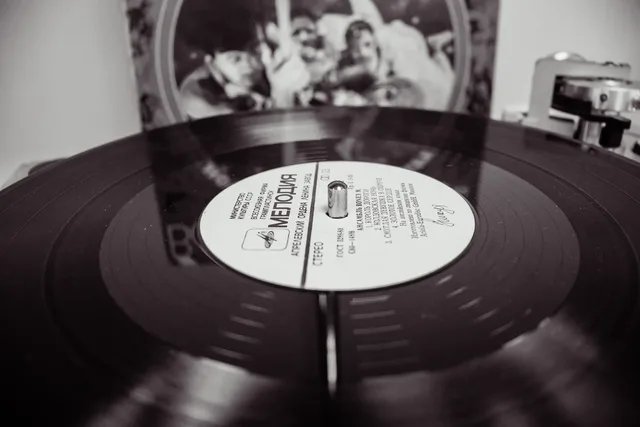
Making fun music choices is great, but sometimes you need a break from the industry.
For those who enjoy the technical side of music, audio product choice focus might lead you toward high-fidelity audio engineering or vintage gear collecting.
If you prefer the social aspect of the industry, joining a local community of performers can provide a sense of belonging without the contractual stress. For those seeking peace, hobby record buying care can transition into a more meditative form of collecting.
However, these alternatives might not provide the same level of creative fulfillment if your primary goal is professional growth.
What conditions should you examine before selecting the right record label?
- Scrutinize the duration of any exclusivity clauses mentioned in the agreement. 2. Compare the proposed royalty structure against industry standards for similar releases. 3. Determine the level of involvement the label expects in your day-to-day artistic decisions.
Understanding these conditions helps ensure that the selection of the right record label aligns with your long-term career goals. A label that is overly restrictive in its stipulations may limit your future opportunities, even if it offers initial funding.
This caution is essential when evaluating the potential partner.
When comparing label types, remember that the distribution reach of a major label contrasts sharply with the focused market penetration of an independent label. The comparison of these two models dictates the expected level of creative control you will receive.
However, these considerations may be less critical if you are prioritizing immediate funding over long-term creative control.
How does the initial investment factor into the selection process?
When considering the initial investment, you must differentiate between self-funded scenarios and those involving a signed partnership. The nature of the investment dictates the subsequent negotiation points regarding royalty splits.
A label demanding total ownership of your master recordings presents a significant financial condition to consider.
Reviewing the contract terms reveals how the initial investment is recouped, which directly impacts your long-term earnings. If the label's marketing commitments are vague, the initial investment might simply shift the burden of promotion onto you indirectly.
This procedure requires thorough reading of the fine print.
If the label focuses heavily on mass reach, the initial investment might be larger, but the creative control might be correspondingly lower. The selection of the right record label hinges on balancing these initial financial considerations against artistic autonomy.








Comments 0