Puzzle for stress relief: How to guide your focus best
Using puzzles for stress relief can help redirect mental energy away from overwhelming stressors and foster cognitive engagement. This guide is for individuals seeking low-pressure ways to manage tension through brain games for focus and mental stimulation. To find success, you should choose puzzles that match your current energy levels, avoid high-stakes competitive environments, and recognize that these activities are tools for relaxation rather than cures for clinical trauma.
* Select puzzles that provide a sense of "flow" without excessive frustration. * Use brain games for focus to anchor your attention in the present moment. * Prioritize low-cost puzzle therapy, such as crosswords or jigsaws, to minimize external stress. * Recognize that while puzzles help with daily tension, they are not substitutes for professional medical treatment regarding severe psychiatric conditions.
How can a puzzle for stress relief work?

At dusk, you sit by the fireplace and feel the smooth texture of a wooden puzzle piece as you slide it into place.
You sit at a wooden desk, the morning sun hitting a scattered pile of colorful cardboard pieces. You slowly slide a blue fragment into a gap, feeling the tactile click of a perfect fit.
This simple act of finding a match creates a repetitive, calming rhythm that interrupts circling, anxious thoughts.
Engaging in a puzzle for stress relief allows the brain to enter a state of mindful concentration. By focusing on small, manageable problems, you shift your cognitive load from abstract worries to concrete, solvable tasks. This transition helps lower the immediate physiological sensation of tension.
Developing the mind with puzzles involves more than just passing time; it requires active neural engagement. When you solve a pattern, you are practicing cognitive resilience.
This mental exercise provides a sense of agency and accomplishment, which can be particularly helpful when other areas of life feel uncontrollable.
- Choose a low-pressure activity. 2. Engage in the repetitive motion. 3. Focus on the immediate task.
Which brain games will help me focus better?
The clock on the wall ticks steadily as you stare at a cryptic crossword clue, your pen hovering over the paper. You scan the grid, looking for a specific letter count that matches a definition. The mental hunt for the right word sharpens your awareness and pulls you into the task.
Finding the best brain games for focus often means selecting activities that require a moderate level of difficulty. If a task is too easy, the mind wanders back to stressors; if it is too hard, it creates new frustration. Sudoku, logic grids, and word searches are excellent tools for this balance.

Using these tools helps you practice concentration in a controlled setting. You can use these brain games to build mental stamina, making it easier to stay present during work or other high-pressure activities.
This practice strengthens the ability to filter out distractions and maintain a steady cognitive pace.
In this sequence, the second step is the longest.
Can brain games really help me manage stress?
You lean back in your chair, exhaling slowly after completing a difficult logic puzzle. The mental fatigue feels different from the exhaustion of a long workday; it is a clean, satisfied tiredness. The quiet room feels calmer now that your mind has finished its intense, focused work.
Managing stress with brain games relies on the concept of cognitive distraction. By occupying the "working memory" with a puzzle, there is less mental space available for ruminating on negative events. This does not erase the stressor, but it provides a necessary neurological break.
Some people find that these activities act as a bridge between high-intensity periods and rest. Instead of jumping straight from a chaotic environment to sleep, a short period of mental play can help transition the nervous system. It provides a structured way to wind down.
Is there such a thing as affordable puzzle management tips?
You browse a local bookstore, looking at the various options on the shelf. You pick up a small, inexpensive book of riddles, realizing that you do not need expensive gadgets to improve your mental state. The low cost makes it easy to integrate this habit into a daily routine.
Following affordable puzzle management tips means utilizing resources that are already within reach. This includes using free mobile apps, library books, or even simple pen-and-paper games. You do not need a subscription service to experience the benefits of mental stimulation.

I once spent an entire rainy afternoon with nothing but a deck of cards and a book of logic problems, finding that the lack of digital distraction actually increased my sense of calm. Integrating these low-cost methods ensures that mental wellness remains accessible regardless of your budget.
How do you use puzzles to develop the mind with puzzles?
You pick up a new, complex jigsaw puzzle, spreading the pieces across a large dining table. You begin by sorting the edges, creating a frame for the challenge ahead. This organized approach sets the stage for a long-term project that rewards patience and observation.
To effectively develop the mind with puzzles, follow these steps:
- Select a variety of formats, such as spatial puzzles (jigsaws) and linguistic puzzles (crosswords), to engage different brain regions. 2. Set aside a consistent, quiet time each day to build a habit of mental engagement. 3. Gradually increase the complexity of the puzzles as your proficiency grows to ensure continued cognitive challenge.
Finally, check your progress by noticing if you can maintain focus for longer periods without feeling overwhelmed.
What are the limitations of these methods?
You watch the rain hit the window, feeling the weight of a long, difficult week. You realize that while the puzzle in your hands is soothing, it cannot fix the deeper, systemic issues of life or the heavy psychological burdens sometimes carried by those in high-stress professions.
According to the American Psychological Association, there is research regarding how gambling affects the brain and who is most vulnerable to addiction.
A limitation of using puzzles is that they are not a clinical treatment for severe psychiatric conditions or trauma. For example, historical data on combat stress shows that while many recover quickly, others face long-term challenges.
According to Wikipedia, in Korea, 85% of US battle fatigue casualties returned to duty within three days, but 10% returned to limited duties after several weeks.
Is puzzle solving effective for everyone?
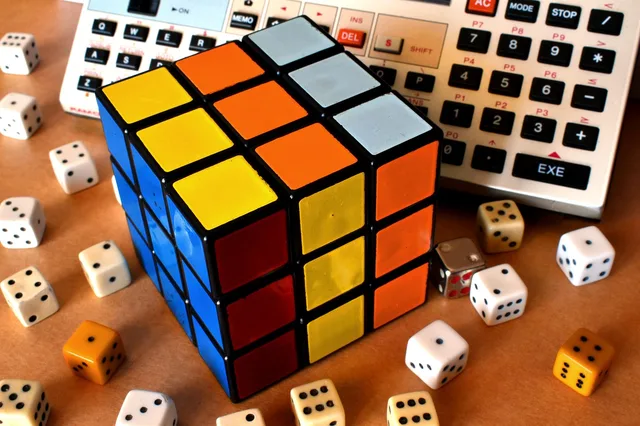
While most people find mental games helpful for relaxation, their effectiveness varies based on the individual's current mental state. Puzzles are a tool for managing daily tension and improving focus, but they are not a substitute for professional mental health care.
Should I avoid difficult puzzles?
If a puzzle causes more frustration than relaxation, it may be counterproductive for stress relief. It is better to choose a level of difficulty that allows for a sense of progress and achievement rather than one that induces further anxiety.
Using puzzles can provide a structured, low-cost way to manage daily stress and sharpen cognitive focus. While they serve as excellent tools for mental engagement and distraction, they are not a replacement for professional medical intervention in cases of serious psychological distress.
- How can a puzzle for stress relief work?
- What are the best brain games for focus?
- Can you manage stress with brain games?
Related
FAQ
Using puzzles for stress relief can help redirect mental energy away from overwhelming stressors?
Are these activities tools for relaxation rather than cures for clinical trauma?
Related posts

Home record label guide: Tips for vinyl organization

Record collection guide: Why select music for focus best

Collectables market 360 billion Start collecting cheap tips





Comments 0