Baking Success: Golden Recipes Beyond the Oven for Beginners
"Baking is not a math problem to be solved, but a chemistry experiment to be enjoyed."
If you have ever pulled a tray of sunken, gooey, or rock-hard cookies out of the oven only to feel a wave of frustration, you aren't alone. Most people fail at baking not because they lack talent, but because they treat a complex chemical process like a simple assembly line.
Key Takeaways * Success comes from matching the recipe difficulty to your current equipment and skill level. * No-oven recipes are the perfect starting point for building confidence without the stress of temperature variables.
* Mastery requires moving from "following directions" to understanding the science of hydration and leavening. * Always distinguish between "baking for fun" and "baking for skill" to manage your own expectations.
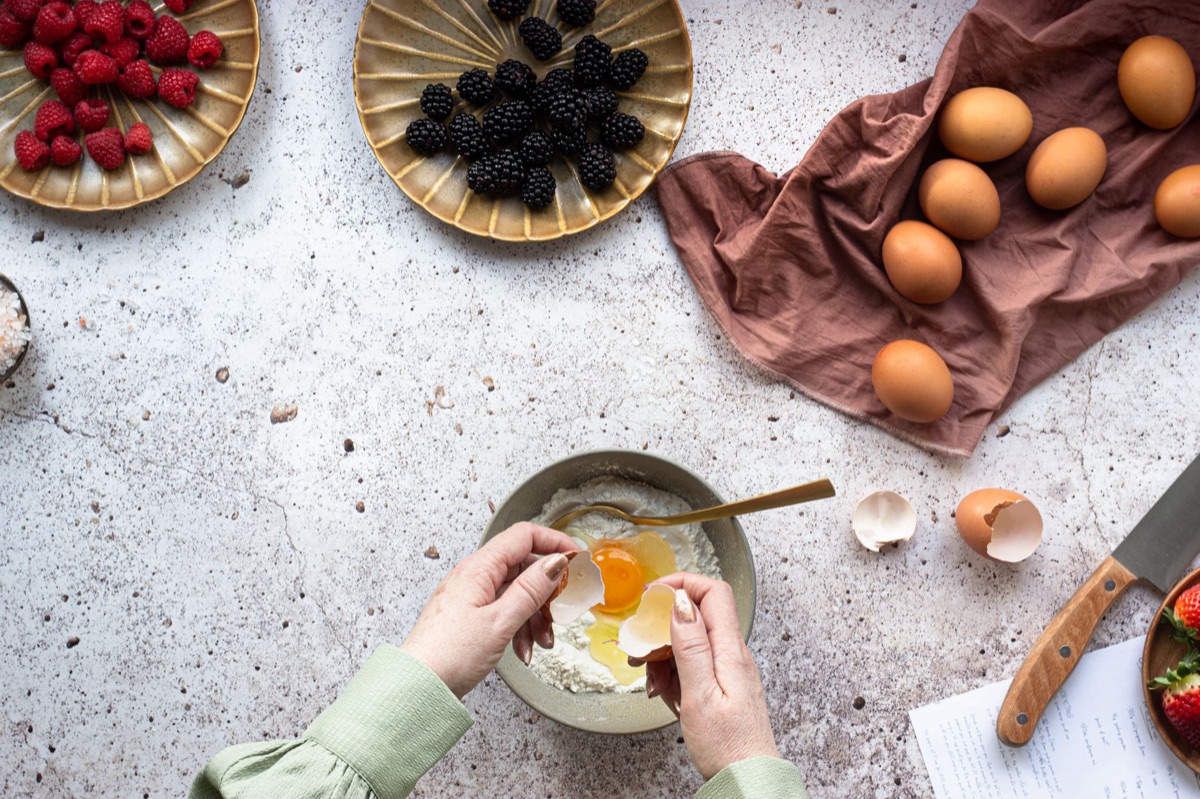
Why Do People Fail at Baking?
A kitchen timer dings, the oven door creaks open, and instead of a golden sponge, there is a flat, pale mess on the baking sheet. You stand there with a wooden spoon in hand, wondering what went wrong when you followed the instructions exactly.
The primary reason for failure is the assumption that all recipes are created equal. Beginners often jump straight into temperamental sourdough or delicate macarons, ignoring the fact that these require precise environmental control.
There is a massive difference between a "fun attempt"—where the goal is simply to make something edible and sweet—and a "skill goal," where you are practicing a specific technique like lamination or proofing.
Starting too high on the difficulty curve leads to burnout. If you haven't mastered the basics of how flour reacts to liquid, attempting a multi-step pastry will likely result in a mess. You must learn to treat baking as a ladder, where each successful batch provides the foundation for the next.
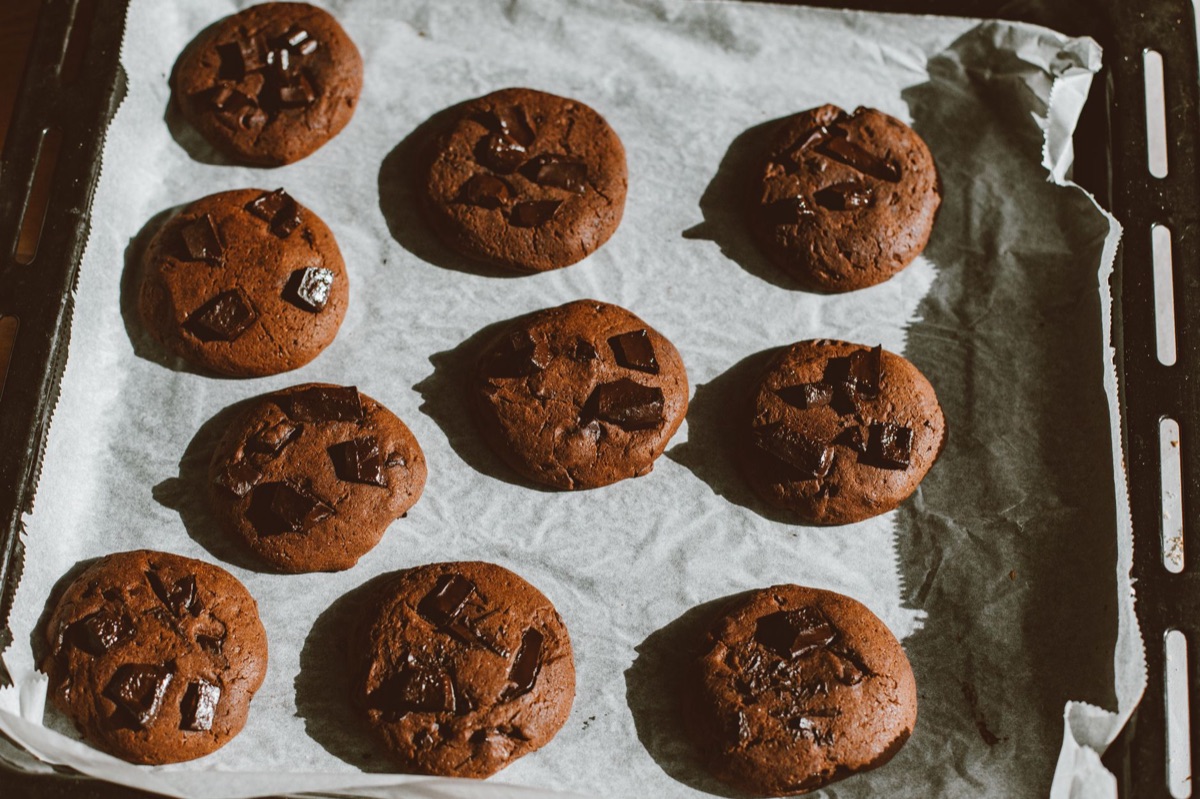
How can I win without using an oven? You stand in your tiny apartment kitchen at 11:00 PM, staring at a microwave and a single mug. You don't own an oven, and you certainly don't own a stand mixer, but you still want that hit of chocolatey comfort.
For those without an oven or those who are terrified of the heat, no-bake desserts and microwave recipes are the ultimate training ground. These recipes allow you to focus on flavor profiles and texture without the variable of oven temperature fluctuations.
You can learn how much sugar is "too much" or how much cocoa powder affects the structure of a treat without the risk of a burnt tray.
A perfect first project is a simple chocolate mug cake. By using only a microwave, you can practice the basic ratio of dry to wet ingredients. Focus on the texture: is it spongey or dense?
Once you can produce a consistent, edible mug cake, you have successfully mastered the most basic form of batter-based chemistry.
How do I start building my oven skills? The kitchen is filled with the scent of vanilla as you carefully preheat the oven to 350°F. You carefully slide a tray into the rack, watching through the glass as the batter begins to rise, realizing that the oven is a living, breathing environment.
Transitioning to the oven introduces new variables: heat distribution, oven calibration, and timing. This is where you move from "assembling" to "baking." The most critical lesson at this stage is the importance of precise measurement.
Using a digital scale is infinitely more reliable than using measuring cups, as volume can change based on how tightly flour is packed.
You must also begin to understand the roles of your ingredients. For example, leavening agents like baking powder are essential for lift. A general rule of thumb is that one teaspoon of baking powder is typically used to raise a mixture consisting of one cup of flour, one cup of liquid, and one egg.
Understanding this ratio helps you understand why a recipe might fail if you accidentally double the flour but forget to double the leavening.
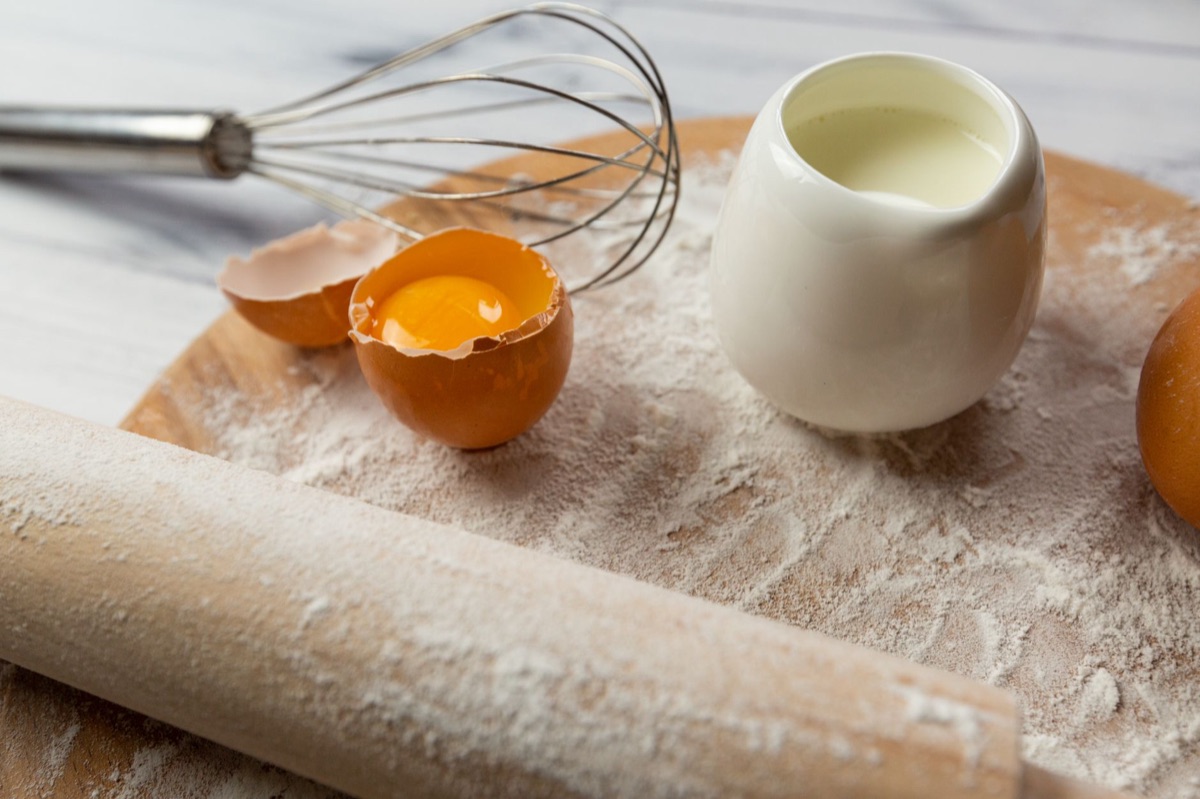
Level 3: The Pursuit of Mastery (Advanced Techniques)
You stand over a bowl of dough in the early morning light, your hands coated in a fine dusting of flour. You aren't just mixing ingredients anymore; you are managing a living organism that responds to the humidity in the air and the temperature of your kitchen.
Mastery is the transition from following a recipe to understanding the underlying science. You stop asking "how much?" and start asking "why?" You begin to study things like dough hydration.
For instance, bagel dough is known for being quite stiff, with a hydration level typically ranging from 50% to 57%. Understanding that different breads require different water-to-flour ratios allows you to troubleshoot texture issues instantly.
At this level, you also learn the importance of time and patience. Some processes cannot be rushed. You might find that a dough requires a rest period of at least 12 hours between mixing and final baking to develop flavor and structure.
You also learn that even small changes in technique can lead to significant variations, such as how the thickness of a cake can vary by as much as 20% depending on the brand of leavening used or the way the batter is handled.
Troubleshooting: When Things Go Wrong
A tray of cracked, dry biscuits sits on the counter, and the kitchen feels heavy with the scent of overdone sugar. You take a deep breath, realizing that this "failure" is actually just data for your next attempt.
Common mistakes often fall into three categories: overmixing, underbaking, or temperature shock. Overmixing can lead to tough, rubbery textures because you've developed too much gluten.
Underbaking results in a collapsed center, while temperature shock—putting cold ingredients into a hot oven or vice versa—can ruin the rise.
The key to recovery is a mindset shift. If a batch fails, don't throw the whole hobby away. Analyze the result: Was it too salty? Was the texture too dense? Use that information. Also, always prioritize safety.
When working with high-heat ovens or heavy equipment, ensure your workspace is ventilated and your movements are controlled.
| Skill Level | Primary Equipment | Core Focus | Goal |
|---|---|---|---|
| Beginner | Microwave / No-heat | Flavor & Basic Ratios | Confidence building |
| Intermediate | Oven / Measuring Scales | Temperature & Timing | Consistency |
| Advanced | Specialized Tools / Scales | Chemistry & Fermentation | Mastery & Artistry |
- Start with No-Bake: Master the balance of sweet and salty using only spoons and bowls.
- Invest in a Scale: Once you move to the oven, stop using cups and start using grams for precision.
- Learn the Ratios: Understand how much leavening is needed for your volume of flour.
- Watch the Clock: Learn how different oven temperatures affect the rise and color of your goods.
- рана
- Document Everything: Keep a notebook of what you changed in a recipe and what the result was.







Comments 0