Mastering Freshwater: Gear Choices for Every Angler's Goal
"The quiet ripple of a lake at dawn is often interrupted by a sudden, violent tug that makes your heart skip a beat."
Freshwater fishing is the perfect entry point for anyone looking to escape the digital grind and reconnect with the natural world.
It offers a unique balance of meditative stillness and sudden, adrenaline-pumping excitement that is often much more accessible than the high-stakes environment of saltwater fishing.
* Freshwater fishing balances immediate "hand feel" excitement with long-term skill development. * Success depends on matching your gear to your specific environment and target species. * You can enjoy the hobby through peaceful relaxation or through the pursuit of successful catches. * A low-budget entry point allows you to learn the fundamentals before investing in high-end equipment.
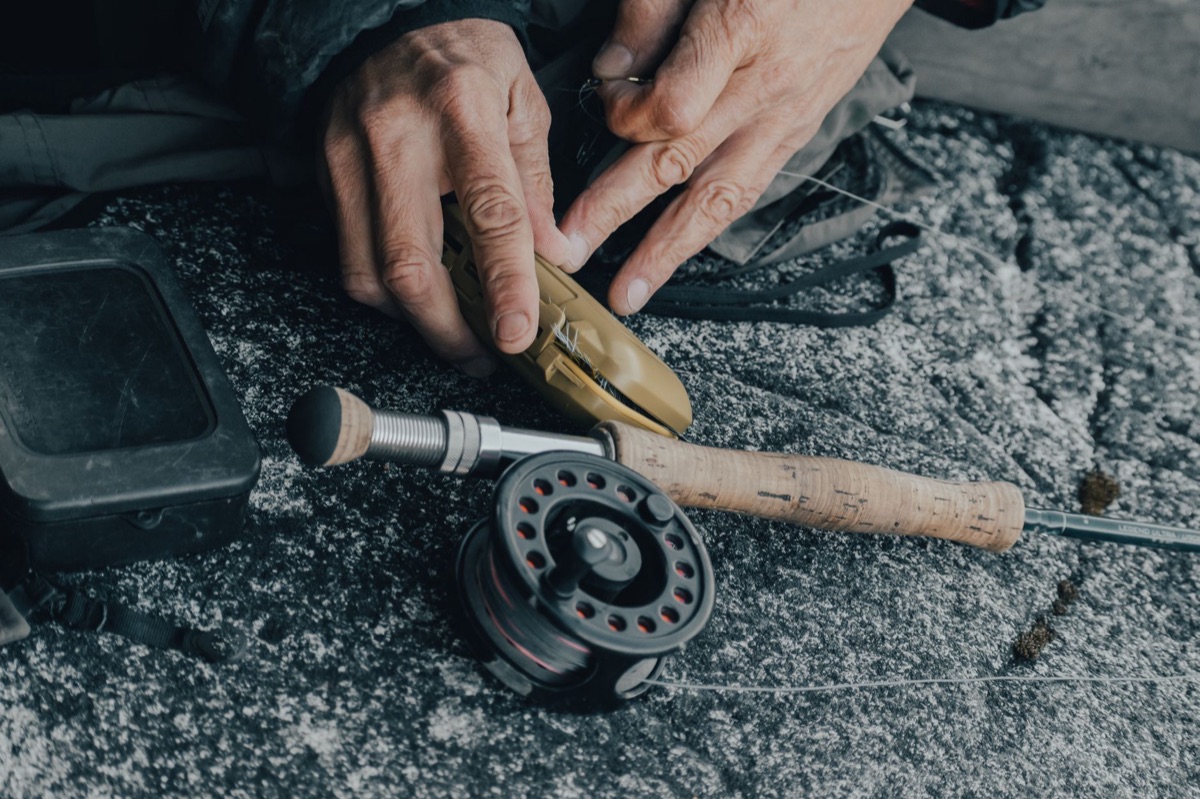
Why Freshwater Fishing? Bridging the Gap Between Hobby and Skill
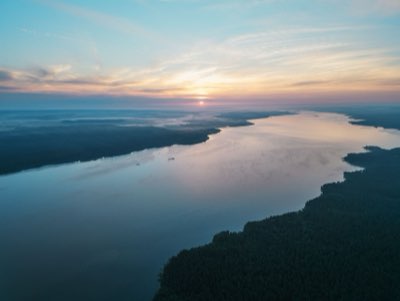
The sun is just beginning to crest over a quiet pond in a local park, casting long shadows across the reeds. You stand on the bank, feeling the weight of a simple spinning rod in your hand, watching a small bobber dance on the surface.
According to the Food and Agriculture Organization, the world harvest in 2005 consisted of 93.3 million metric tons captured by commercial fishing in wild fisheries, plus 48.1 million metric tons produced by fish farms.
Freshwater fishing is often the ideal starting point because it removes many of the logistical hurdles found in ocean angling.
While saltwater fishing often requires traveling to coasts, dealing with heavy tides, and managing much more expensive, corrosion-resistant gear, freshwater is often right in your backyard.
Whether it is a local community pond, a winding creek, or a large lake, these environments are highly accessible.
This hobby offers a dual appeal that satisfies two different types of people. For some, the joy is in the "hand feel"—the visceral, sudden tug on the line that provides an immediate hit of dopamine.
For others, the satisfaction comes from the "successful angling" aspect—the intellectual challenge of outsmarting a fish through technique and patience. Because the barrier to entry is low, you don't need a boat or a massive budget to begin this journey.
The transition from a casual weekend hobby to a skilled pursuit happens naturally as you move from simply "casting a line" to understanding the ecosystem.
When I first picked up a rod at a local lake in the summer of 2024, I thought the goal was just to catch something. I quickly learned that the real value was in the quiet observation of the water.
The transition from a casual weekend hobby to a skilled pursuit happens naturally as you move from simply "casting a line" to understanding the ecosystem.
How do I get started? You sit on a folding stool, looking at a map of a local reservoir, wondering which bank holds the best secrets. You realize that before you even touch a rod, you need to decide what kind of experience you are looking for.
Your first step is defining your goal. Are you looking for a peaceful way to spend a Saturday morning, or are you looking to master a craft? If your goal is relaxation, your roadmap will focus on easy-to-use gear and quiet locations.
If your goal is maximizing catches, your roadmap will involve learning specific techniques and studying fish behavior.
Location scouting is your next move. For a beginner, identifying suitable bodies of water is crucial. Small ponds or slow-moving rivers are often better than large, deep lakes because the fish are often more concentrated and easier to find. For your first trip, don't overcomplicate things.
A trial run should involve minimal gear—just a rod, a reel, some line, and basic tackle—to see if you actually enjoy the process before committing to a heavy setup.
Once you understand your objective, you can begin looking at the tools required to make it happen.
What gear should I choose? You stand in the aisle of a local outdoor shop, staring at a wall of colorful rods and reels, feeling slightly overwhelmed by the sheer variety of choices.
Choosing the right equipment is about matching your gear to your environment. For freshwater, a versatile spinning rod and reel combo is usually the best starting point.
You want to match the line weight (the thickness of the fishing line) and the rod's "action" (how much it bends) to the size of the fish you expect to catch. A heavy-duty rod meant for large bass might be too clumsy for a small trout in a stream.
When it comes to catching fish, you will face the choice between lures and bait. Artificial lures are great for practicing casting techniques and can be more "active" fun, but live bait—like worms or small minnows—is often much more effective for beginners looking to secure a catch quickly.
| Feature | Artificial Lures | Live Bait |
|---|---|---|
| Ease of Use | Requires more technique to look natural | Very easy; fish find the scent/movement |
| Interaction | High engagement; constant movement | Low engagement; often involves waiting |
| Cost | Can add up if you buy many types | Usually inexpensive and repeatable |
| Best For | Developing skill and presentation | Quick results for beginners |
For a budget-friendly start, don't feel pressured to buy the most expensive graphite rods immediately. A decent entry-level setup can be found for a fraction of the price of professional gear. Start with a basic tackle box containing:
- A versatile spinning rod and reel combo.
- A spool of monofilament line.
- A variety of hooks, weights (sinkers), and bobbers.
- A pair of needle-nose pliers for removing hooks.
With the right tools in hand, you can now focus on the two different ways to experience the water.
Mastering the Art: Fun vs. Form
You lean back against a tree, watching the dragonflies hover over the water, feeling a sense of peace that has nothing to do with whether a fish is on the line.
There are two ways to approach this hobby: focusing on the pursuit or focusing on the skill.
Having Fun (The Pursuit): This is about the journey. It is the quietness of the morning, the rhythmic motion of casting, and the companionship of a friend.
If you focus on small, manageable goals—like mastering a perfect cast or simply identifying three types of local fish—the hobby remains a source of joy rather than a source of stress.
Getting Good (The skill): This is for those who want to advance. It involves studying feeding patterns, learning how to read water currents, and mastering specific presentations. This is where you move from "fishing" to "angling."
Patience is the bridge between these two modes. There will be long stretches of time where nothing happens. Learning to manage that downtime without frustration is what separates a lifelong hobbyist from someone who gives up after one quiet afternoon.
As you grow more comfortable with the quiet moments, you will begin to notice the subtle clues left by the fish themselves.
Point Strategy: Where and How to Fish
You crouch by the edge of a rocky bank, looking at a submerged log that disappears into the dark, still water.
Successful fishing requires "reading the water." Fish don't just swim randomly; they use the environment to their advantage. They look for structure—things like fallen trees, submerged rocks, weed beds, or docks—that provide cover from predators and a place to ambush prey.
You should look for: * Depth Changes: Areas where the bottom drops off often hold larger fish. * Cover: Submerged vegetation or fallen branches are prime hiding spots.
* Current Breaks: In moving water, fish often wait in quiet pockets behind rocks to conserve energy while waiting for food to float by.
Seasonal adjustments are also vital. In the spring of 2025 and 2026, as water temperatures shift, fish might move to shallower, warmer water to spawn. In the heat of summer, they might retreat to deeper, cooler pockets.
Understanding these biological drivers allows you to predict where the fish will be, turning a game of chance into a game of strategy.
Even with a perfect strategy, mistakes can happen that lead to frustration or wasted time.
Rookie Pitfalls & Safety Net
You stand at the water's edge, looking down at a tangled mess of line and a bent hook, realizing that a mistake in setup has ruined your morning.
The most common mistake is falling into the "wrong gear" trap. Beginners often buy overly specialized or expensive equipment before they understand the basics, which leads to frustration when they don't see immediate results. Stick to versatile, mid-range gear until you know exactly what you need.
Environmental responsibility is another critical factor. Always follow local fishing regulations, which include seasonal closures and size limits. Additionally, practice proper disposal of tackle; discarded lead weights or tangled lines can harm the very ecosystem you are there to enjoy.
Finally, understand how to handle your catch. If you plan to practice catch-and-release, learn how to handle fish properly—wet your hands before touching them to protect their protective slime coating, and try to keep them in the water.
#


Comments 0