Easy embroidery patterns guide for beginner designs tips
"The needle moves through the fabric, pulling a thread that transforms a plain surface into a textured landscape of color and form."
Easy embroidery patterns let beginners turn plain fabric into decorative art using simple repetitive motions. This guide focuses on selecting basic motifs, mastering fundamental stitches, and distinguishing between the joy of the process and the pursuit of technical skill.
You should start with small, manageable designs and avoid complex multi-layered textures until your tension is consistent.
What makes easy embroidery patterns work?
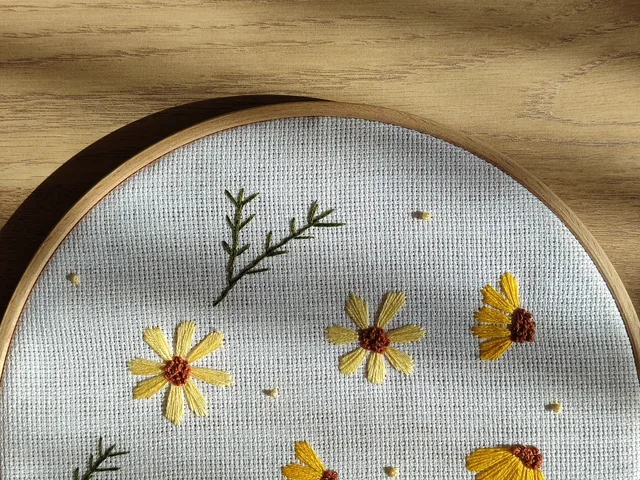
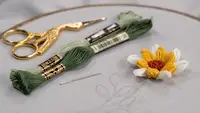
A needle pierces a linen cloth as a hand guides a single strand of cotton thread through the weave. Choosing easy embroidery patterns means selecting designs that rely on predictable geometric shapes or organic outlines rather than dense, overlapping fills.
Simple embroidery stitches serve as the building blocks for almost any beginner design. By focusing on single-line motifs, such as a leaf outline or a minimalist floral stem, you reduce the frustration of managing complex thread tension.
Using basic embroidery motifs allows you to practice the rhythm of the needle without the pressure of creating a masterpiece immediately.
How to start with beginner embroidery designs?
In the quiet morning, my fingers ache slightly from pulling the thread through the easy, simple pattern.
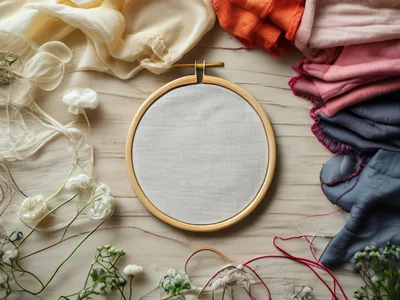
A wooden hoop is tightened around a piece of cotton, creating a drum-like surface for the work to begin. To begin your journey, you must focus on the physical sensation of the thread sliding through the cloth.
Starting embroidery for beginners requires a few essential items: a sturdy embroidery hoop, several colors of embroidery floss, a sharp needle, and fabric.
You can find low-cost alternatives by using scrap fabric from old clothing or purchasing basic kits that include everything needed for one specific design.
- Select a pattern with clear, continuous lines. 2. Secure the fabric in a hoop until it is taut. 3. Knot the end of your thread and begin the first stitch.
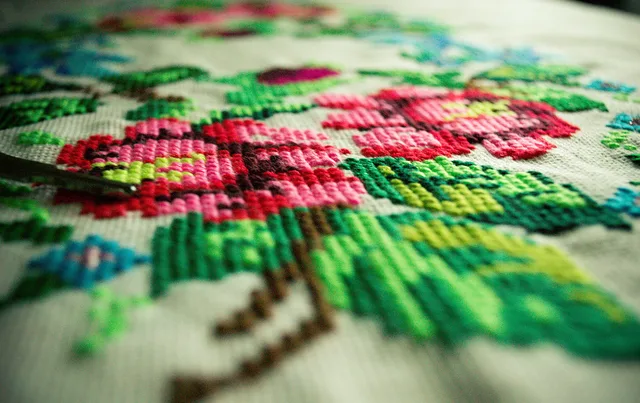
I personally found that starting with a single color helped me focus on the movement of my hands rather than color coordination. Once the rhythm feels natural, you can introduce more variety.
Can I learn specialized techniques like Mountmellick?
A thick white thread creates heavy, raised textures against a dark background in a traditional style. While most beginners start with light, airy stitches, some may eventually want to explore more structured, historical methods.
According to the Textile Research Centre of Leiden, Mountmellick embroidery is a specific historical style that utilizes distinct stitching techniques. This method involves creating textured patterns that stand out from the base fabric.
Learning how to make embroidery patterns of this complexity requires significant practice with heavy threads and specific tension control.
| Feature | Basic Beginner Stitches | Mountmellick Work |
|---|---|---|
| Thread Type | Thin embroidery floss | Heavy, textured thread |
| Visual Effect | Flat or light texture | Raised, high-relief texture |
How to enjoy the process without stress?
A person sits in a quiet corner, feeling the soft friction of the thread against their fingertips. To enjoy embroidery, you must separate the "fun" from the "skill."
Focusing on the "fun" means setting small, non-judgmental goals, such as finishing one small flower or simply sitting with the craft for twenty minutes. You can record your progress by taking photos of your tiny successes or sharing a single stitch on social media to connect with others.
This approach removes the burden of perfection and keeps the hobby relaxing.
How to improve your technical skill?
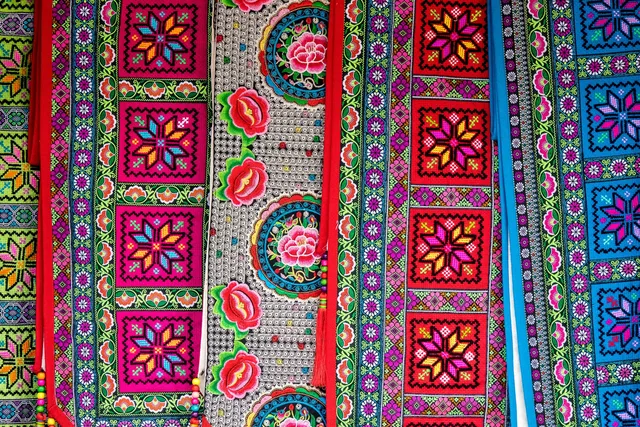
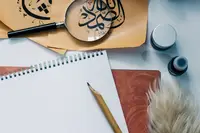
A magnifying glass rests on the table as a practitioner examines the consistency of their running stitches. If you want to move beyond simple patterns, you must adopt a more disciplined practice routine.
To get better, you should move from outlines to filled shapes. Practice maintaining even tension so that no part of the fabric puckers. Joining a local stitching circle or an online community can provide constructive feedback on your technique.
Aim for specific milestones, such as mastering the satin stitch or perfecting a French knot, to track your growth.
What are common beginner mistakes to avoid?
A tangled mess of thread sits in the lap after a session of pulling too hard on the needle. Many newcomers struggle with tension and thread management during their first few attempts.
The most frequent error is pulling the thread too tight, which causes the fabric to bunch up or wrinkle. Another mistake is using too much thread at once; it is better to use fewer strands for better control. Avoid working in poor lighting, as eye strain can lead to mistakes in stitch placement.
Which tools are essential for starting?
Essential tools include an embroidery hoop, needles, floss, and fabric. Using a hoop is particularly important to keep the fabric stable while you work.
Is it difficult to master basic motifs?
Mastering basic motifs is achievable through consistent, small practice sessions. It becomes easier as you become more familiar with how the thread reacts to different fabric types.
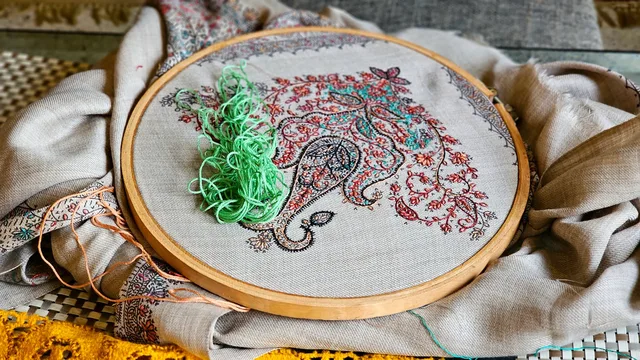
Embroidery is a versatile craft that scales from simple outlines to complex, textured historical works. While beginners should focus on manageable patterns to maintain enjoyment, the path to technical mastery is open to those who practice consistent tension and varied stitch types.
This guide is limited to the fundamental methods of pattern selection and basic stitch application.
- What makes easy embroidery patterns work?
- How to start with beginner embroidery designs?
- Can I learn specialized techniques like Mountmellick?
The same subject is also called easy embroidery for beginners.
This part also covers choosing first embroidery pattern.
how to make embroidery patterns
Related
- Beginner soap making tools: Tips for easy soap craft tools
- Low cost embroidery guide tips for beginner fabric art
How does thread tension affect the final appearance of the needle's work?
- The needle pulls the thread through the fabric, and the resulting tension dictates how the surface texture appears. 2. If the tension is too loose, the stitches may look flimsy and lack definition against the cloth. 3. Conversely, excessive tension can cause the fabric to pucker or distort around the points where the needle enters and exits the material. 4. Maintaining consistent tension ensures that the thread forms a smooth, intentional landscape of color and form.



Comments 0