Low cost embroidery guide tips for beginner fabric art
"Embroidery is not merely about the final pattern; it is about the rhythm of the needle passing through fabric, creating something from nothing."
To begin embroidery on a low budget, you only need basic needles, a variety of thread, a hoop, and any scrap fabric to practice on. This guide focuses on starting with essential tools and separating the joy of the process from the technical pursuit of skill.
While you can find many expensive kits, the most affordable way to start is by sourcing individual components separately.
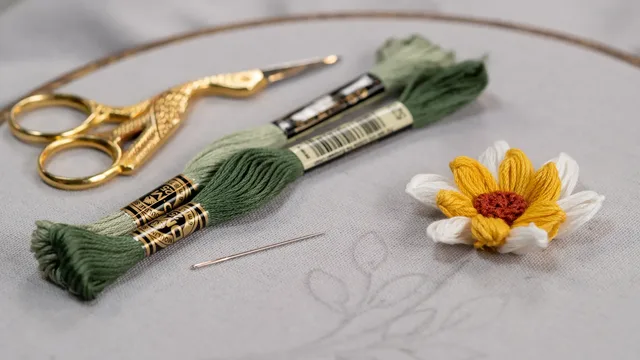
* Focus on essential tools: needles, thread, and hoops. * Use scrap fabrics to minimize initial costs. * Separate the fun of stitching from the pressure of perfection. * Learn fundamental stitches like the satin stitch.
What is embroidery and why try it?
At sunset, you feel the rhythmic pull of silk through linen as you embrace the low cost of creative joy.
A needle pierces through a piece of linen, pulling a thin strand of colored silk behind it to form a tiny, precise shape. This rhythmic motion allows you to transform plain surfaces into intricate art.
According to the Suzhou Silk Museum Chinese, the Pekin knot is a knotted stitch which originated in China.
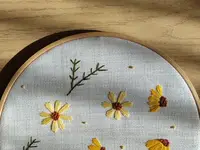
Embroidery is the craft of decorating fabric using a needle and thread to create patterns, textures, or images.
The hobby offers a unique sense of tactile satisfaction that digital activities cannot replicate. You can create anything from small auspicious ornaments to large-scale textile art.
For those interested in history, different styles offer deep cultural roots, such as the Pekin knot which originated in China. Using a satin stitch, a common form of stitch used in Chinese embroidery, can help you build smooth, lustrous textures.
Embroidery is a versatile craft that allows you to transform plain fabric into personalized works of art through decorative stitching.
How can I start embroidery at a low cost? low cost embroidery guide
At dusk, you sit at a wooden table and feel the soft texture of scrap cotton while embracing the low cost of your new hobby.
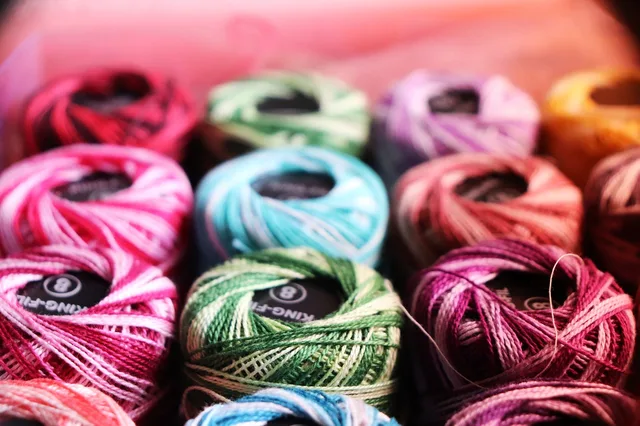
You sit at a wooden table, spreading out a few mismatched pieces of cotton cloth and a small pile of colorful embroidery floss. Starting a low cost embroidery guide does not require a professional studio or expensive designer kits.
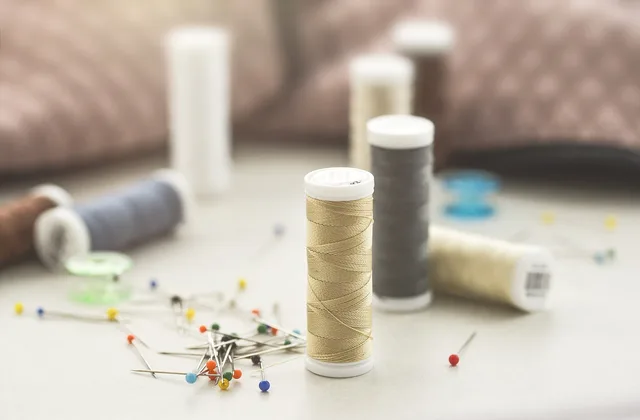
You can begin by gathering the most basic necessities to avoid overspending before you know if you enjoy the craft.
To keep your budget small, follow these steps:
- Purchase a basic embroidery hoop and a few assorted needles rather than a complete luxury set. 2. Buy individual skeins of thread in primary colors to allow for mixing and matching. 3. Repurpose old clothing or leftover fabric scraps as your primary embroidery canvas.
After completing these steps, check your progress by ensuring your fabric is taut in the hoop and your tension is consistent. I found that using old bedsheets provided a surprisingly sturdy and free surface for my first attempts.
To keep initial expenses down, focus on purchasing a basic starter kit or sourcing secondhand fabric scraps and embroidery floss from craft stores.
What are the best embroidery tools for beginners?
During the afternoon, you grip a smooth wooden hoop in your kitchen and sense the weight of the metal needle despite the low cost of the tools.
You reach into a small tin box, feeling the smooth metal of a needle and the soft texture of cotton thread. Choosing the right equipment is vital, but you do not need to buy everything at once.
A budget embroidery starter kit is often available, but buying items individually is frequently more economical.
| Item | Purpose | Beginner Tip |
|---|---|---|
| Embroidery Hoop | Holds fabric taut | Choose wood or plastic |
| Embroidery Floss | Provides color and texture | Use cotton for ease |
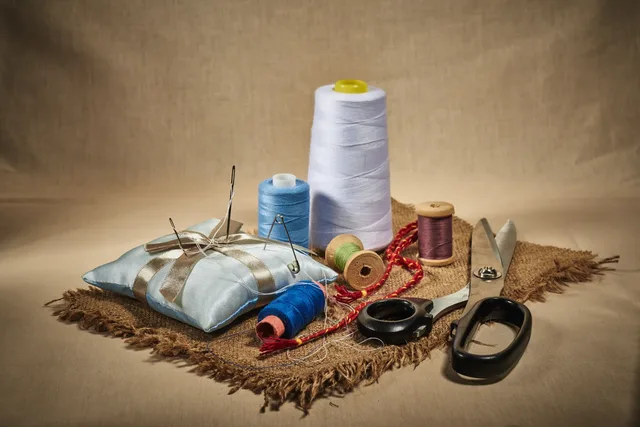
A simple kit might include these items, but you can also find easy home embroidery tips by using household items. For example, a regular sewing needle can work if it is thin enough for your thread. This approach allows you to explore the hobby without a heavy financial commitment.
Essential supplies include a variety of embroidery needles, a sturdy wooden hoop, sharp small scissors, and colorful embroidery floss.
How to improve embroidery skills?
You lean closer to the lamp, carefully following the path of a single thread to refine a specific shape. If you want to move beyond casual stitching, you must transition from just playing with colors to mastering specific techniques. This is where you move from "having fun" to "getting better."
To advance, you should focus on repetitive practice of specific stitches. Learn the mechanics of different knots and how they sit on the fabric surface.
You might study the history of silk or the specific textures used in traditional Chinese ornamental gold silk to understand how professionals achieve high-level detail. Joining a local stitching circle or an online community can provide feedback on your tension and stitch consistency.
- Practice basic stitches like the running stitch and backstitch to build muscle memory.
- Experiment with different thread weights and fabric textures to understand how they react to tension.
- Follow online tutorials to learn complex decorative patterns and shading techniques.
What are common mistakes to avoid?
You pull a thread too tightly, causing the fabric to pucker and wrinkle around the design. Many beginners struggle with tension, which can ruin the look of even the simplest pattern. Avoiding these pitfalls will keep your experience enjoyable rather than frustrating.
One common error is using fabric that is too thin or lacks structure, making it difficult to pull the needle through consistently. Another mistake is using too much thread at once, which leads to tangles and knots.
Finally, do not mistake a lack of immediate perfection for a lack of talent; the goal is to enjoy the process. It is important to note that the difficulty of achieving certain textures may vary depending on the specific fabric used.
Avoid pulling your thread too tight, as this can cause the fabric to pucker and distort your design.
The same subject is also called cheap embroidery for beginners.
The same subject is also called affordable embroidery hobby.
This part also covers start embroidery at home.
Related




Comments 0