Camping 8% increase tips Beginner camping safety tips
"The wilderness calls to those seeking a break from the routine, but the first step into the wild requires more than just a tent and a sleeping bag."
Starting your outdoor journey requires careful preparation to ensure safety and comfort during your first trip. This guide covers essential mindset shifts, basic preparation, and how to manage the reality of outdoor environments for those seeking beginner camping safety tips.
Key takeaways: * Understand the growing popularity of outdoor activities to feel part of a larger community. * Focus on controlled breathing and physical readiness to manage stress. * Prepare for social environments and shared spaces when in group settings.
Why is camping more popular now?
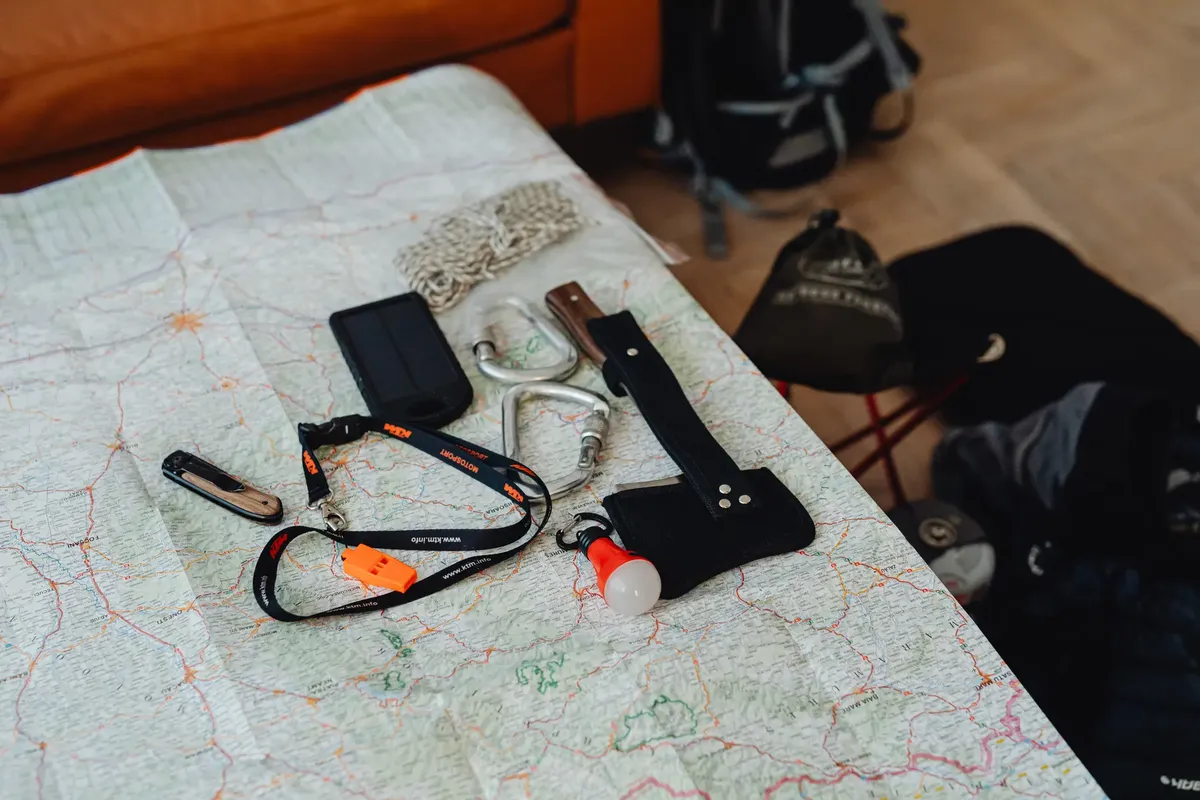
A group of friends gathers around a map in a local park, discussing their upcoming weekend adventure. Interest in the outdoors has seen significant shifts in recent years, reflecting a desire for connection with nature.
According to Wikipedia, camping in the United States is gaining popularity after a fall of 4.2 million participants from 2011 to 2012. This trend shows that many people are rediscovering the value of the outdoors after periods of fluctuation.
The desire for outdoor engagement is not limited to one specific region. As in the United States, camping is gaining popularity, with an 8% increase in trips compared to the same period in 2014. This growing interest makes it an ideal time to learn the ropes.
How can I manage my breathing and stress? Beginner camping safety tips
A hiker sits quietly on a fallen log, taking deep, rhythmic breaths to steady their heart rate before a long trek. Managing physical responses is a key component of any first time camping guide.
Effective preparation often involves physical regulation techniques used in various high-pressure environments. One method consists of a preparation "breathe-up", followed by a short (typically 1 minute) breath hold taken at rest.
Practicing these controlled breathing exercises can help a novice stay calm when facing unexpected weather or difficult terrain. This behavior is repeated a few times over the first 30 seconds or so on the surface.
Learning to regulate your own body is a foundational skill for safe camping for beginners.
According to Outdoor Foundation, the 2011 record includes 4.2 million.
How will I connect with others while camping? Two families set up their respective tents in a shared campground, exchanging polite nods as they organize their gear. Understanding the social landscape is part of a safe camping for newbies approach.
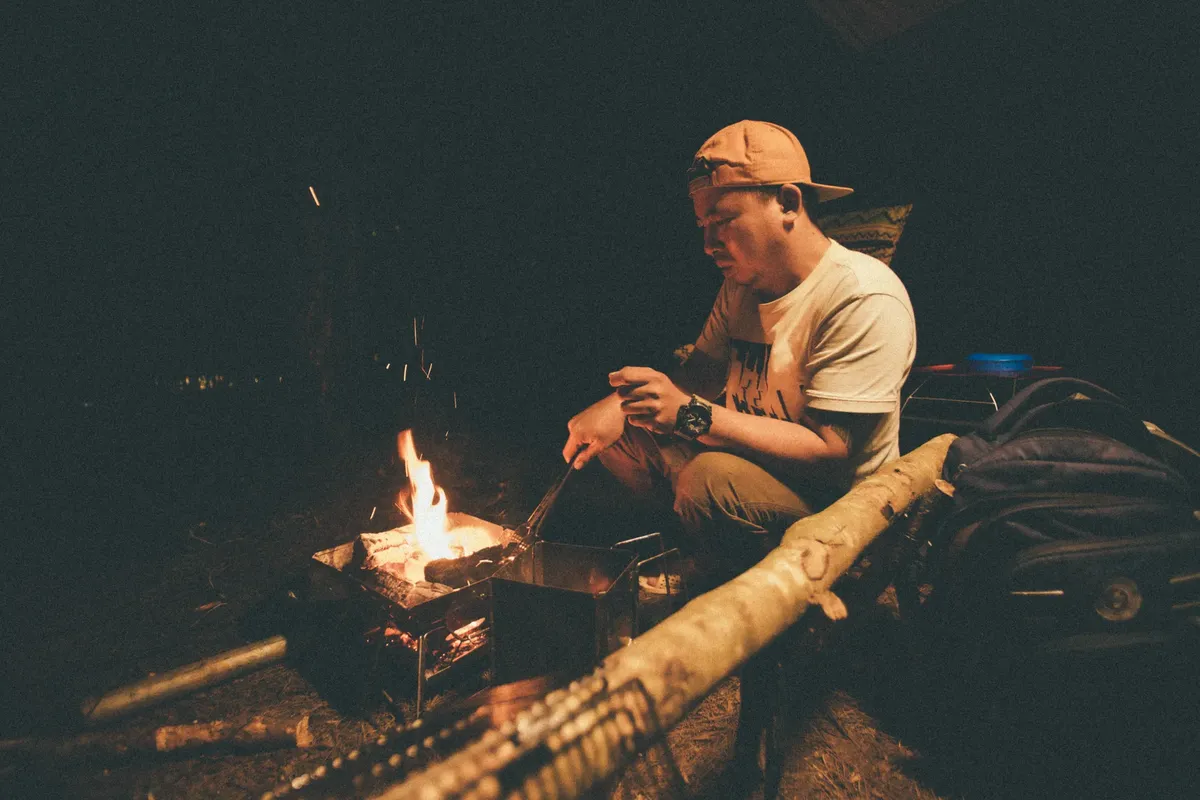
In some regions, the scale of the camping community is quite large. According to data by a study made by Camping Québec, 20% of the province of Québec did go camping, that being about 1,600,000 people.
When you are in a crowded campground, you may encounter people you do not know. In the same research, the study has shown that a certain 8% of those campers were strangers. Being aware of your surroundings and maintaining polite boundaries helps ensure an easy camping start tips experience.
What do I need to do to prepare? A traveler lays out a sleeping bag and a small stove on a wooden picnic table, double-checking every item before the sun sets. Following a systematic approach is the best way to ensure you have everything you need.
To build a successful foundation, follow these three steps:
- Research your destination to understand the local environment and terrain. 2. Practice setting up your gear in a backyard or local park before heading to a remote site. 3. Organize your supplies into categories such as shelter, cooking, and first aid.
I remember checking my gear twice before leaving the house to ensure no vital tool was left behind. This habit of verification is part of a reliable camping gear for beginners checklist.
| Category | Focus Area | Goal |
|---|---|---|
| Shelter | Tent and Sleeping Bag | Protection from elements |
| Essentials | Navigation and Light | Safety and visibility |
Managing physical limits
A person adjusts the weight of their backpack, feeling the strain on their shoulders as they prepare to climb a gentle slope. Recognizing your physical limits is crucial for any camping gear for beginners strategy.
It is important to note that physical activities can involve significant weight. For example, breath-holding divers would descend to depths up to 30 metres (98 ft) to collect sponges by using weights of as much as 15 kilograms (33 lb) to speed the descent.
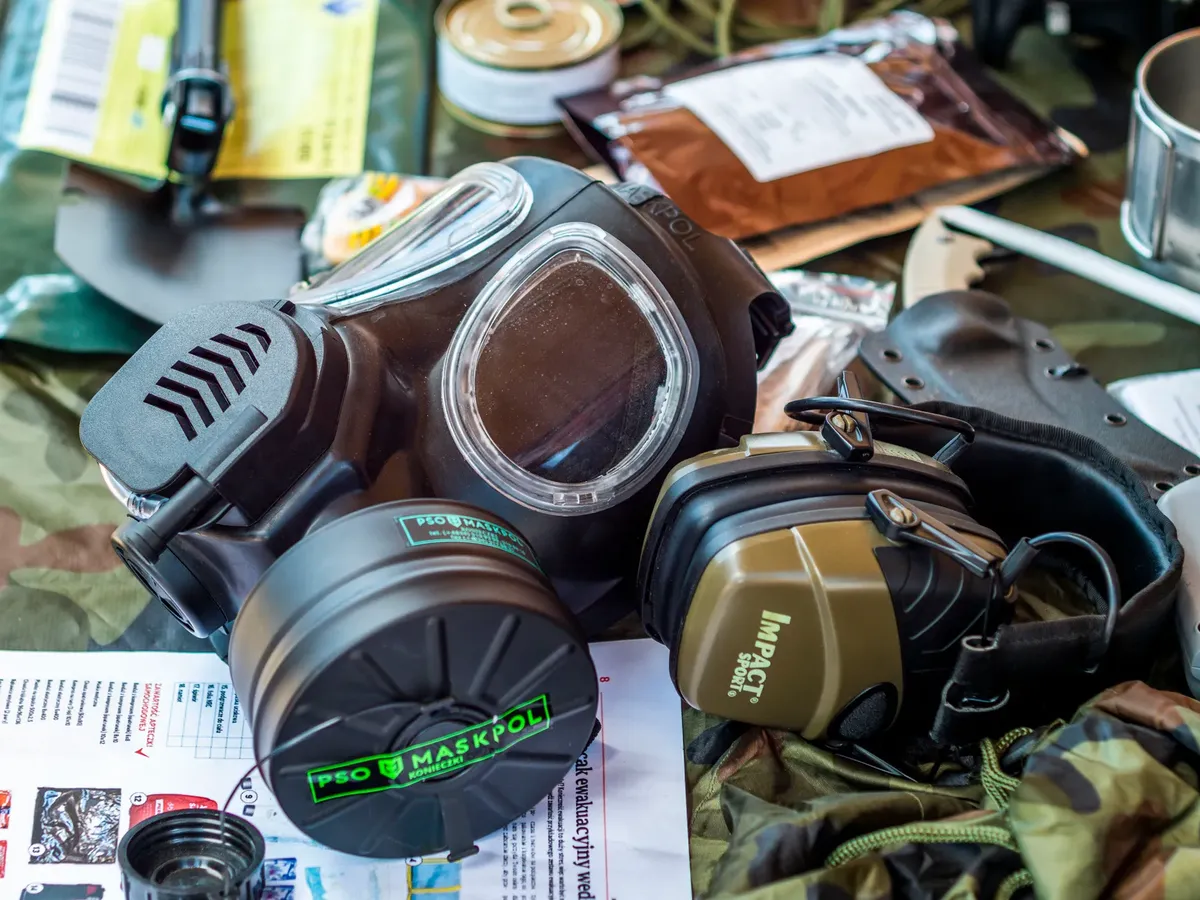
While camping does not usually involve deep-sea diving, carrying heavy packs can be taxing for newcomers. Always start with light loads to test your endurance. If you are not used to heavy gear, do not attempt to carry maximum loads on your first outing.
- Why is camping more popular now?
- How can I manage my breathing and stress?
- What are the social aspects of camping?
The subject here is Beginner camping safety tips.
This part also covers What to pack for first camp.
This part also covers Camping safety checklist for pros.
This part also covers Tips for stress free camping.
What to pack for first camp
Related




Comments 0