Drone beginner guide: Tips for selecting home drone gear
A beginner looks at a vast array of flight technology, wondering where to start with a first purchase.
This drone beginner guide provides a foundation for understanding market leaders, technical specifications, and regulatory environments. You will learn about market dominance, hardware features, and the complexities of international flight permits to help navigate your first purchase.
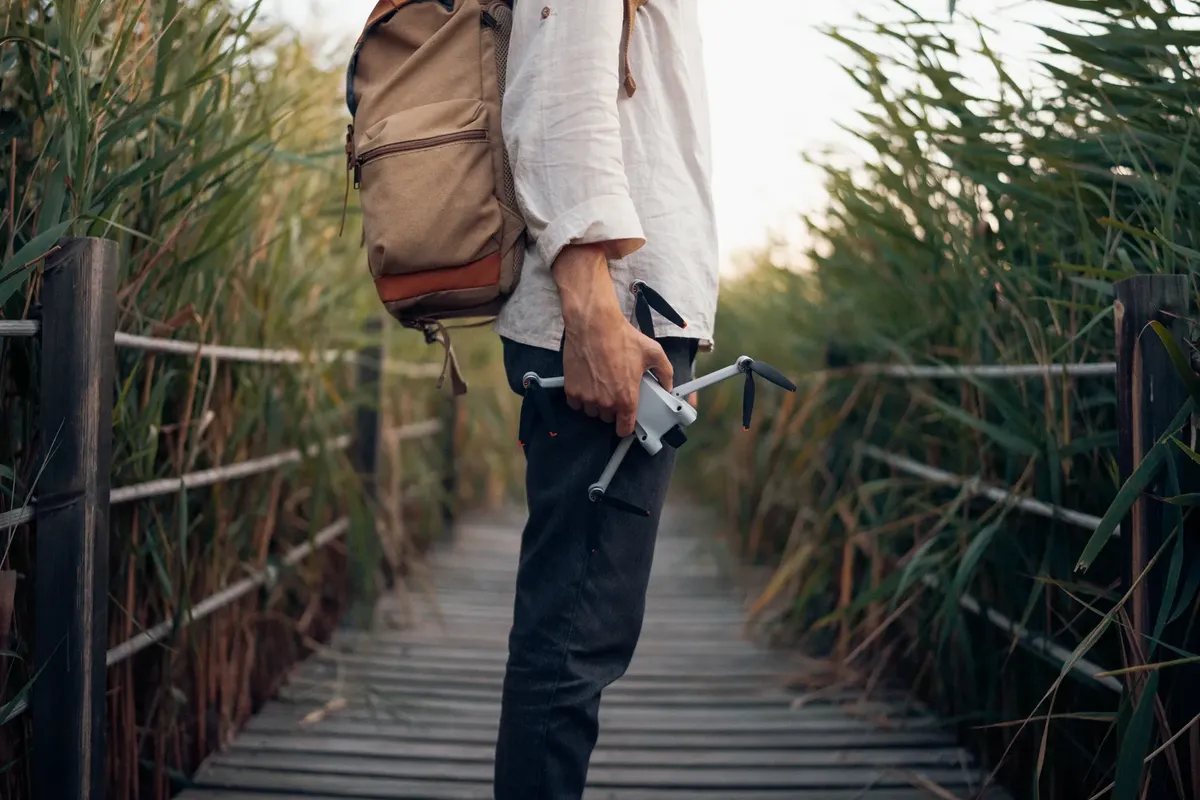
* Understanding market share and manufacturer reliability. * Evaluating high-end technical specifications like sensor size and flight time. * Navigating global regulatory shifts and permit cancellations. * Recognizing the difference between consumer and specialized industrial drones.
What is the current drone market like? A hobbyist stands in a local park, eyeing the different models available in retail stores. The sheer variety of flight technology can make the initial selection process feel overwhelming for a new pilot.
As of June 2024, DJI accounted for over 90% of the world's consumer drone market. This massive market presence means that much of the available consumer technology and support infrastructure is centered around a single ecosystem.
Choosing a first drone often involves deciding between this dominant player or smaller, specialized manufacturers.
The market landscape is constantly shifting due to both commercial success and political pressure.
In February 2024, reports found Skydio, BRINC Drones, and the Association for Uncrewed Vehicle Systems International paid lobbying efforts to the United States government to establish legislation for banning DJI.
This highlights how choosing a first drone may involve considering future regulatory stability.
However, these market trends may not apply to specialized industrial sectors.
What hardware makes the best home drone?
At the cluttered desk late at night, the pilot grips the heavy drone and feels the cold texture of the casing against their palm. Late at night at the cluttered desk, the pilot feels the cold metal of the drone while comparing its weight to the spec sheet.
A pilot sits at a desk, comparing the weight and sensor specs of two different models. Selecting the right equipment requires balancing portability with the capability to capture high-quality imagery.
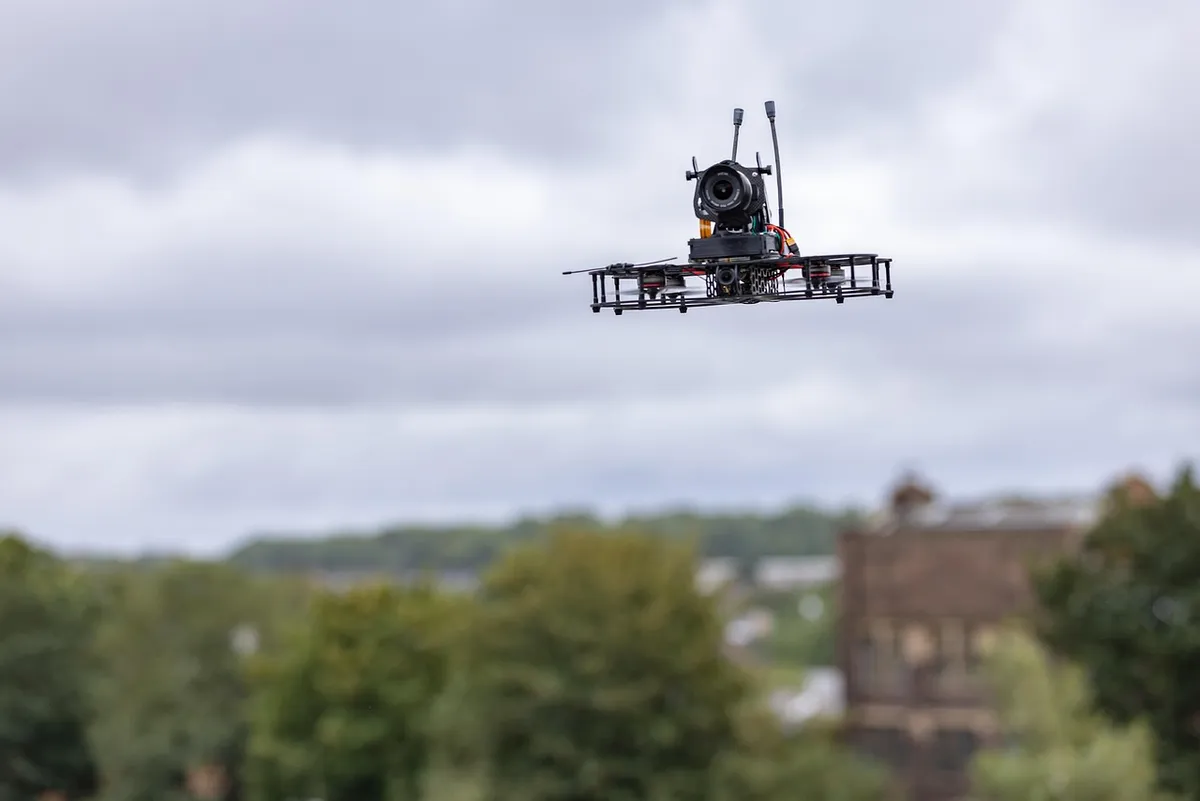
Advanced consumer models offer impressive capabilities that rival professional gear. For example, on 13 May 2025, DJI released the Mavic 4 Pro, which features a 100 MP 4/3″ Hasselblad sensor, a 360° "Infinity" gimbal, 51 min flight time, and omnidirectional obstacle avoidance.
These specs represent the peak of consumer-grade flight technology.
Different use cases require different weight classes and specialized tools. The Agras series is an agricultural drone series with a takeoff weight of 25–80 kg. While these are not for casual backyard use, they demonstrate the scale of professional drone technology.
- Assess the physical dimensions of your indoor space.
- Check the sensor capabilities for obstacle avoidance.
- Verify the battery life for extended flight sessions.
How to fly a drone safely and legally
An operator checks the local airspace maps on a tablet before initiating a takeoff. Safety and legality are the most critical components of any flight operation, regardless of the equipment used.
Regulatory environments can change abruptly, affecting where certain models can be used. On April 30 2026, the Home Ministry of Nepal canceled the flight permit for DJI's FlyCart 100 (Category D) drone and rejected Airlift's application to use an American drone, the FreeFly Alta X Gen 2.
Pilots must always check current local flight permits before operating.
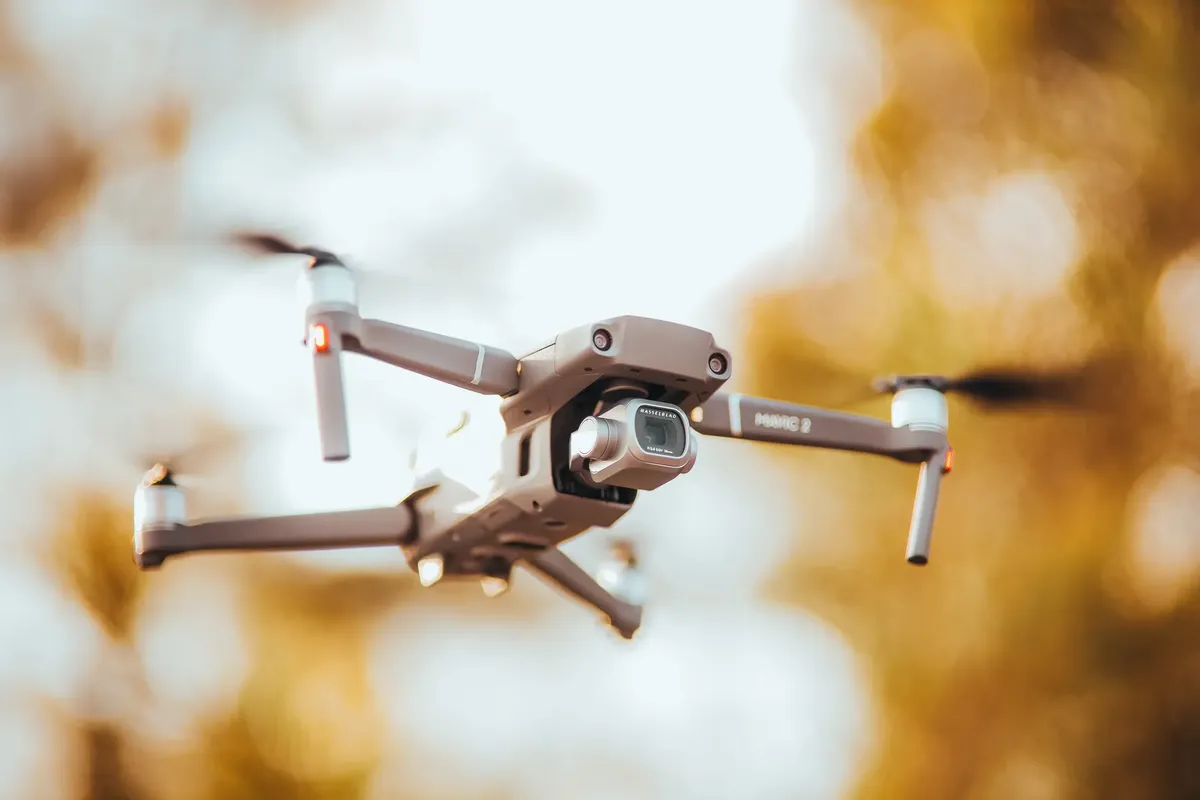
Security and privacy are also central to modern flight operations. In April 2024, DJI launched a Trust Center that publishes updates on third-party audits and certifications, along with information on security measures and privacy controls implemented in its drones.
Understanding these security measures is a vital part of professional drone usage guide training.
In this section, the second step is the most detailed.
Choosing a first drone for different environments
A traveler prepares gear for a high-altitude expedition, checking battery life and motor strength. Extreme environments pose unique challenges to flight stability and battery performance.
Testing in harsh conditions proves the durability of modern hardware. In April 2025, DJI performed what was reported as the highest altitude delivery test to date when it successfully delivered loads weighing 15 kg to Camp I (6130 meters elevation) while flying −25 °C temperatures and 45 km/h winds.
Such tests show the limits of flight endurance.
| Feature | Mavic 4 Pro | Agras Series |
|---|---|---|
| Primary Use | Consumer/Photography | Agricultural |
| Key Spec | 51 min flight time | 25–80 kg takeoff weight |
I compared these specs to see how much weight a consumer-grade unit can handle versus an industrial one.
This guidance is limited when dealing with extreme weather conditions.
Selecting home drone gear for specialized tasks
A technician looks at a drone designed for environmental cleanup or heavy lifting. Some drones are built for recreation, while others are engineered for specific humanitarian or industrial missions.
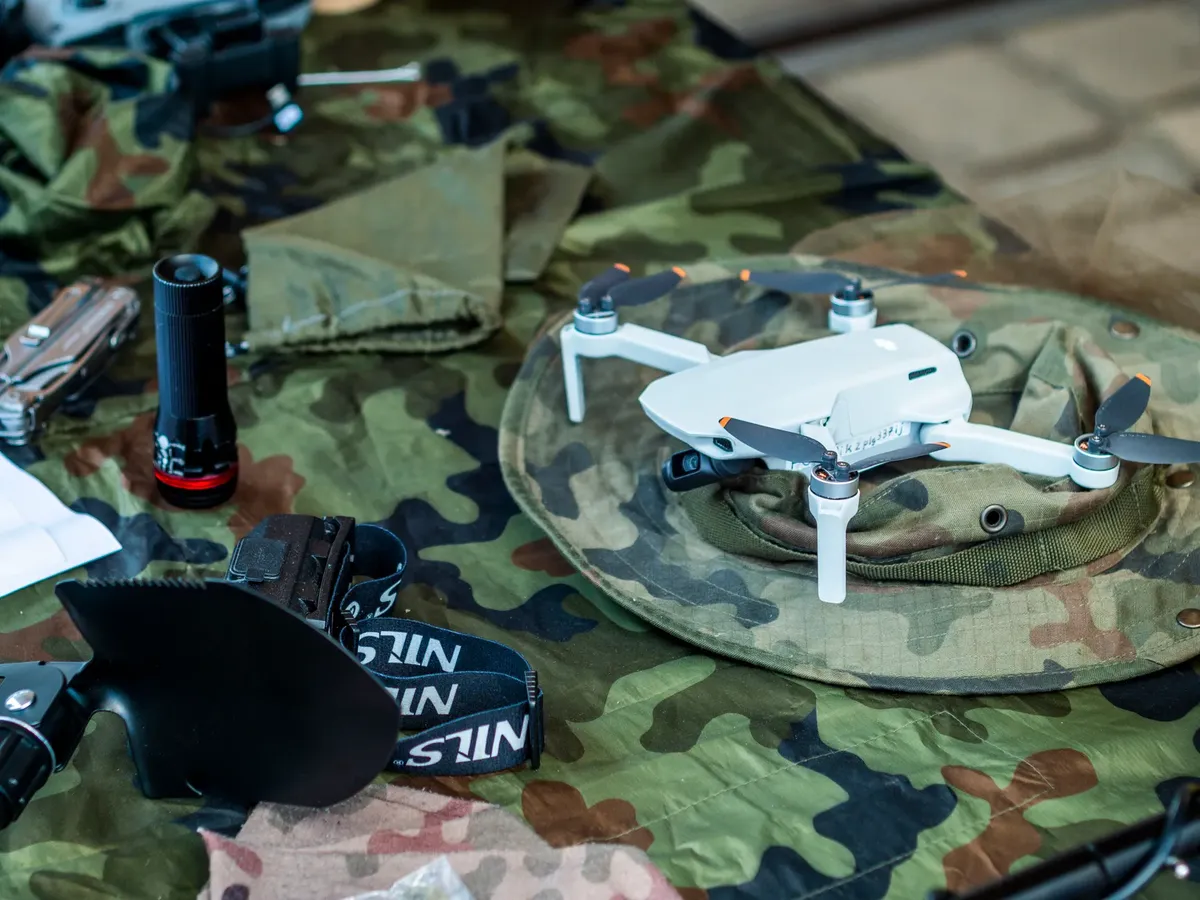
Specialized drones can be used for environmental protection. In April 2024, DJI donated two drones to Airlift Technologies in order to help the Sagarmantha Pollution Control Committee's cleanup of Mount Everest. These missions require much more than basic flight skills.
The following steps help in the selection and preparation process:
- Identify the primary mission, such as photography, agriculture, or delivery. 2. Verify that the hardware meets the environmental requirements of your location. 3. Check current local regulations and permit status for your specific model.
Always perform a final check of flight permits and local laws before every takeoff.
This approach is not effective if the gear is incompatible with your existing hardware.
Related
How does market dominance affect a beginner's choice? Market dominance by a single manufacturer means much of the available consumer technology and support infrastructure centers around that one ecosystem. A beginner looks at this reality when deciding between the dominant player or smaller, specialized manufacturers. This concentration influences the initial selection process for a new pilot.
Choosing a first drone requires acknowledging this market structure, as the ecosystem dictates much of the readily available resources. The market landscape is subject to change due to both commercial success and political pressure, which a beginner must consider.
This influence is less significant in niche or hobbyist-driven markets.
What conditions necessitate specialized drone selection? Specialized drones are engineered for specific humanitarian or industrial missions, contrasting with drones built for recreation. A beginner looks at the difference between these types when the intended use moves beyond casual backyard flying. The Agras series, for instance, demonstrates the scale of professional drone technology.
These specialized units require more than basic flight skills for deployment. The missions involving environmental protection, such as cleanup operations, demand hardware tailored to the task at hand. It is a condition that the mission dictates the necessary hardware specifications.
Wikipedia: DJI Based on the retained excerpt mentioning Association for Uncrewed Vehicle Systems International: In February 2024, reports found Skydio, BRINC Drones, and the Association for Uncrewed Vehicle Systems International paid lobbying efforts to the United States government to establish legislation for banning DJI.





Comments 0