How can one evaluate digital collectible worth?
"The digital landscape is often a shifting sea of volatility where value can evaporate as quickly as it appears."
Navigating the complexities of digital assets requires a clear understanding of market volatility and the structural integrity of the underlying technology. This guide provides a foundation for assessing digital collectible worth and helps you recognize the risks of sudden market shifts.
You will learn about historical volatility, the importance of technological efficiency, and how to approach these assets with a skeptical eye.
How can one evaluate digital collectible worth?
At midnight, the collector leans forward toward the glowing screen to evaluate the intricate details of a rare digital art piece.
A collector sits at a desk, staring at a glowing monitor where price charts dance in unpredictable patterns. Determining the true value of an asset involves looking past the hype to the underlying utility and market dominance.
The total cryptocurrency market cap has historically been dominated by bitcoin, accounting for at least 50% of the market cap value where altcoins have increased and decreased in market cap value in relation to bitcoin.
This dominance suggests that much of the market's movement is tied to a single primary asset. Understanding this relationship is essential for anyone trying to grasp digital asset valuation.
The market is not a static environment, and prices can fluctuate wildly based on sentiment and technical changes. For example, over one week in May 2022, bitcoin lost 20% of its value and Ethereum lost 26%, while Solana and Cardano lost 41% and 35% respectively.
These shifts demonstrate how quickly a perceived value can change.
- Assess the historical significance of the collection.
- Analyze the utility and community engagement.
- Evaluate the scarcity and visual uniqueness.
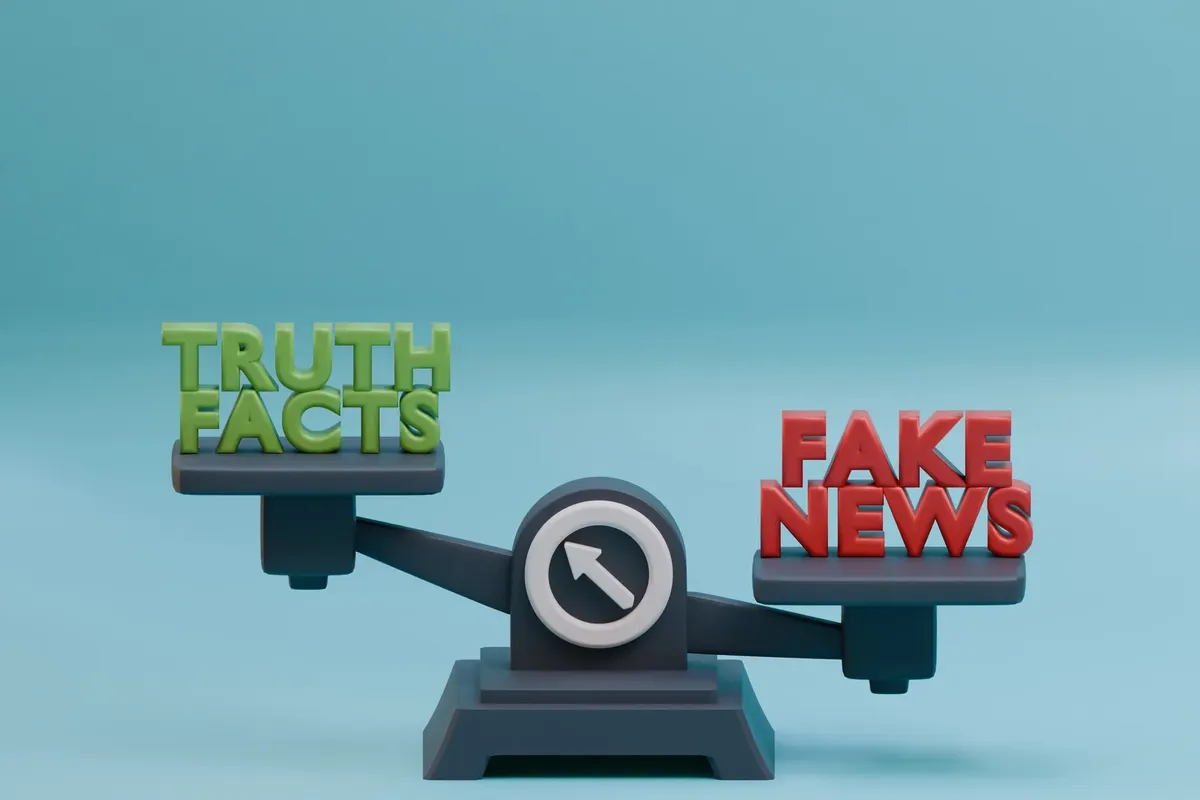
How do you verify NFT authenticity and technical reliability? NFT value and fake check
In the dim light of the office, the programmer squints at the scrolling code to evaluate the integrity of the smart contract.
A developer reviews lines of code, looking for the efficiency that defines a robust network. Verification often starts with understanding the technical specifications that govern how transactions and assets are handled.
Efficiency in processing can dictate how useful an asset is for daily use. For example, Litecoin aims to process a block every 2.5 minutes, rather than bitcoin's 10 minutes which allows Litecoin to confirm transactions faster than bitcoin.
This speed difference is a key factor in technical reliability.
Beyond speed, the environmental impact of the technology can affect its long-term viability. According to the Ethereum Founder, the upgrade would cut both Ethereum's energy use and carbon-dioxide emissions by 99.9%.
Such massive shifts in energy consumption can change the fundamental nature of an asset's footprint.
In this sequence, the second step is the most detailed.
What are the red flags in NFT scam detection guide?

A user checks their digital wallet, feeling a sense of unease about a recent transaction. Recognizing potential risks is a vital part of protecting your digital holdings.
Market volatility can often mask underlying instability. For instance, bitcoin fell 31%, Ethereum fell 44%, Binance Coin fell 32% and Dogecoin fell 30%. These sharp declines can be symptoms of broader market corrections or specific asset vulnerabilities.
Confidence in the current financial infrastructure remains a significant hurdle for many. A survey reported that 17% of U.S.
citizens "have little to no confidence that current ways to invest in, trade or use cryptocurrencies are reliable and safe." This lack of trust highlights the importance of individual due diligence.
How to judge digital asset stability during market shifts?
An investor watches the news, wondering if the current dip is a temporary correction or a permanent decline. Stability is often relative to the broader economic context.
In 2018, bitcoin's design caused a 1.4% welfare loss compared to an efficient cash system, while a cash system with 2% money growth has a minor 0.003% welfare cost. These figures illustrate the economic trade-offs inherent in different monetary designs.
Such comparisons are necessary when considering the long-term utility of a digital asset.
The scale of energy use is another factor in stability. By July 2019, bitcoin's electricity consumption was estimated to be approximately 7 gigawatts, around 0.2% of the global total, or equivalent to the energy consumed nationally by Switzerland.
Large-scale resource requirements can impact how an asset is perceived globally.
What are the steps to manage digital asset risks?
A person carefully organizes their digital keys, preparing for a period of market uncertainty. Managing risk requires a disciplined approach to acquisition and storage.
- Analyze the historical volatility of the specific asset compared to the broader market. 2. Evaluate the technical advantages, such as transaction speed or energy efficiency, of the underlying network. 3. Compare the asset's market cap dominance against other assets to understand its relative influence.
I always ensure I check the transaction speed of the network before committing to a specific asset. This final check helps ensure the technology meets the specific needs of the intended use case.
Can regulatory changes impact asset value?
A legal expert reads through a new policy document, noting the implications for digital finance. Regulations can fundamentally change the landscape of ownership and trading.

The European Commission published a digital finance strategy in September 2020. Such strategic moves by governing bodies can shape the future of how digital assets are categorized and traded.
Policy decisions can also focus on specific types of digital assets. For instance, an order might prohibit the establishment, issuance or promotion of Central bank digital currency and establish a group tasked with proposing a federal regulatory framework for digital assets within 180 days.
These frameworks can introduce new layers of compliance and volatility.
The subject here is NFT value and fake check.
This part also covers Guide to digital asset valuation.
This part also covers Checking NFT legitimacy tools.
Guide to digital asset valuation
Related




Comments 0